1.Power and Corruption
Akira explores how the acquisition of immense power—whether psychic, political, or military—inevitably leads to corruption and catastrophe. Tetsuo's transformation from a bullied teenager to a godlike being mirrors the dangers of unchecked ambition and the inability of individuals or institutions to control forces beyond their comprehension. The narrative suggests that power reveals and amplifies existing flaws, leading to personal and societal breakdown.
2.The Fragility of Civilization
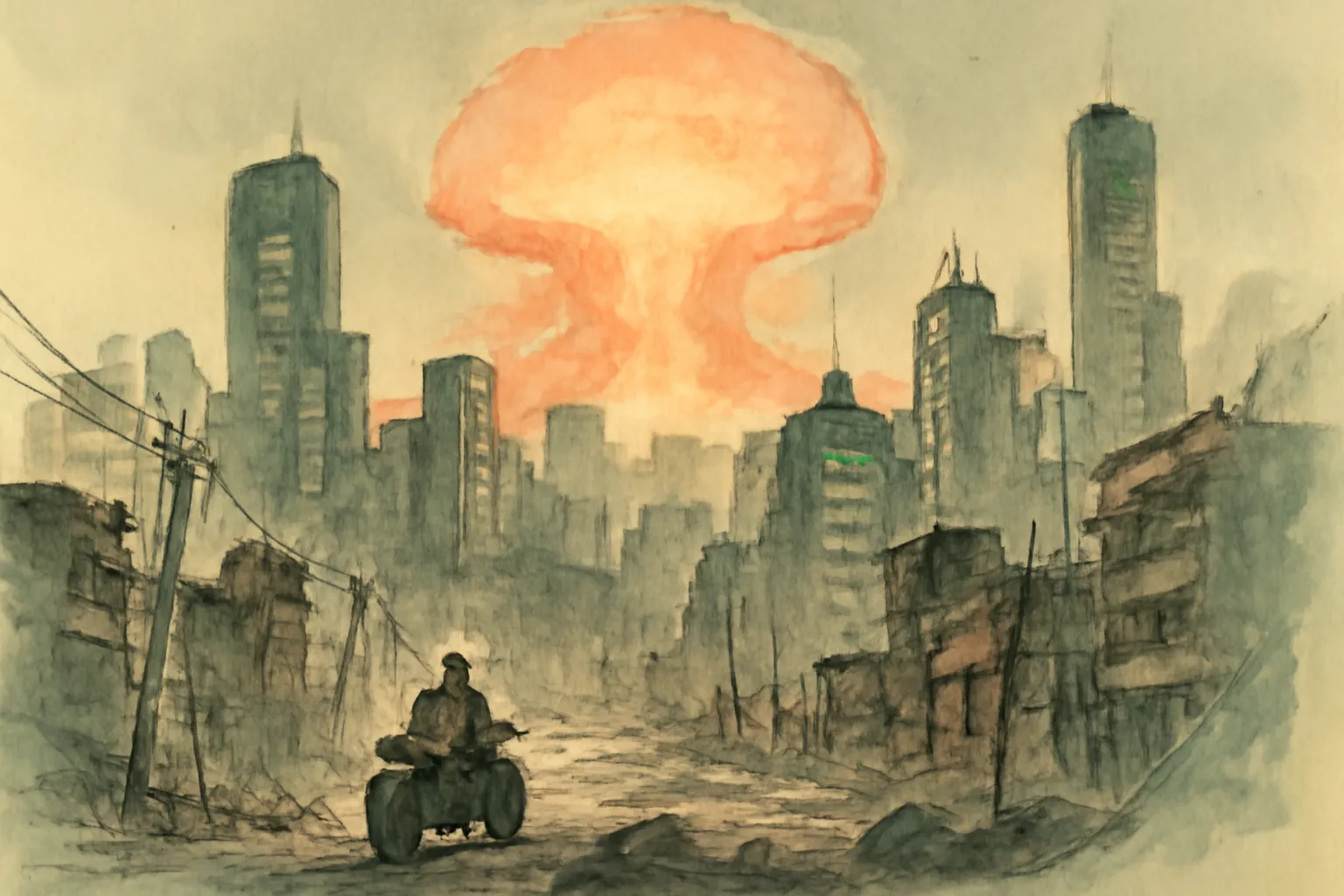
Set in a post-apocalyptic Neo-Tokyo, Akira presents a society constantly on the brink of collapse. The city is a vivid metaphor for the fragility of order in the face of chaos—whether from government overreach, revolutionary violence, or supernatural events. Ōtomo uses the city’s repeated destruction and rebirth to question whether humanity can ever truly learn from its mistakes or if it is doomed to repeat cycles of ruin.
3.Youth Rebellion and Alienation
The protagonists are mostly disaffected youths, alienated from the adult world and its corrupt institutions. Their rebellion is both literal—against authorities—and existential, as they search for meaning in a broken society. Akira taps into the universal fear and hope of youth: the desire to change the world, and the terror of what that change might actually unleash.
4.Science, Ethics, and the Unknown
Akira is deeply skeptical of scientific hubris. The government’s secret experiments on children, meant to harness psychic abilities, unleash uncontrollable forces. The narrative warns against the pursuit of knowledge and power without ethical boundaries, highlighting the unpredictable consequences of tampering with the unknown.
5.Identity and Transformation
Tetsuo’s metamorphosis is both physical and psychological, symbolizing the struggle for identity in a world that offers little stability. The story interrogates the boundaries between self and other, human and monster, and asks whether transformation brings liberation or annihilation. This theme resonates through the fates of multiple characters who are forced to redefine themselves amid chaos.
6.Collective Trauma and Memory
The shadow of past destruction—both the original Akira event and World War II—looms over Neo-Tokyo. Akira examines how societies process trauma, often by repressing or repeating it. The story’s cyclical violence reflects the difficulty of breaking free from historical patterns, making it a cautionary tale about forgetting the past.