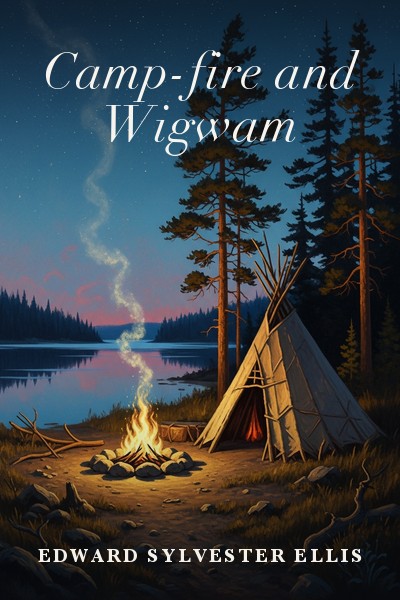

Camp-fire and Wigwam captures the adventurous journey of young pioneers as they navigate the complexities of wilderness survival and cultural encounters
Read full overviewShow less›
In 'Camp-fire and Wigwam', Edward Sylvester Ellis invites readers into the rugged wilderness of early Missouri, where young Jack Carleton and his friend Otto Relstaub embark on a challenging quest to find a lost horse. This tale is steeped in themes of adventure, resilience, and the interactions between settlers and Native American tribes. As Jack faces the relentless trials of the wilderness, including capture by the Sauk tribe, readers are drawn into a gripping narrative that weaves courage and loyalty against the backdrop of frontier life. The book offers not only an engaging adventure but also insights into the historical context of early American culture and the complexities of human relationships in the face of adversity.
Edward Sylvester Ellis's 'Camp-fire and Wigwam' offers readers a captivating exploration of the early American frontier through the eyes of young pioneers. The intertwining themes of adventure, survival, and cultural encounters create a rich narrative that resonates on many levels. Through Jack Carleton's journey, we witness the transformative power of adversity and the importance of empathy in bridging cultural divides. The challenges faced by Jack and Otto serve as a microcosm of the broader human experience, highlighting the resilience of the human spirit in the face of uncertainty. The story ultimately encourages readers to reflect on their own journeys, the lessons learned from encounters with the unknown, and the growth that can arise from such experiences.
- 1The Resilience of Pioneer Families
- 2Youthful Adventure and Naivety
- 3Cultural Encounters and Misunderstandings
- 4Resilience in Captivity
- 5Nature as an Indomitable Force
Notable quotes
“I tell you we're going to win!”
“Dot's vot I dinks.”
“Can't you kick him loose?”
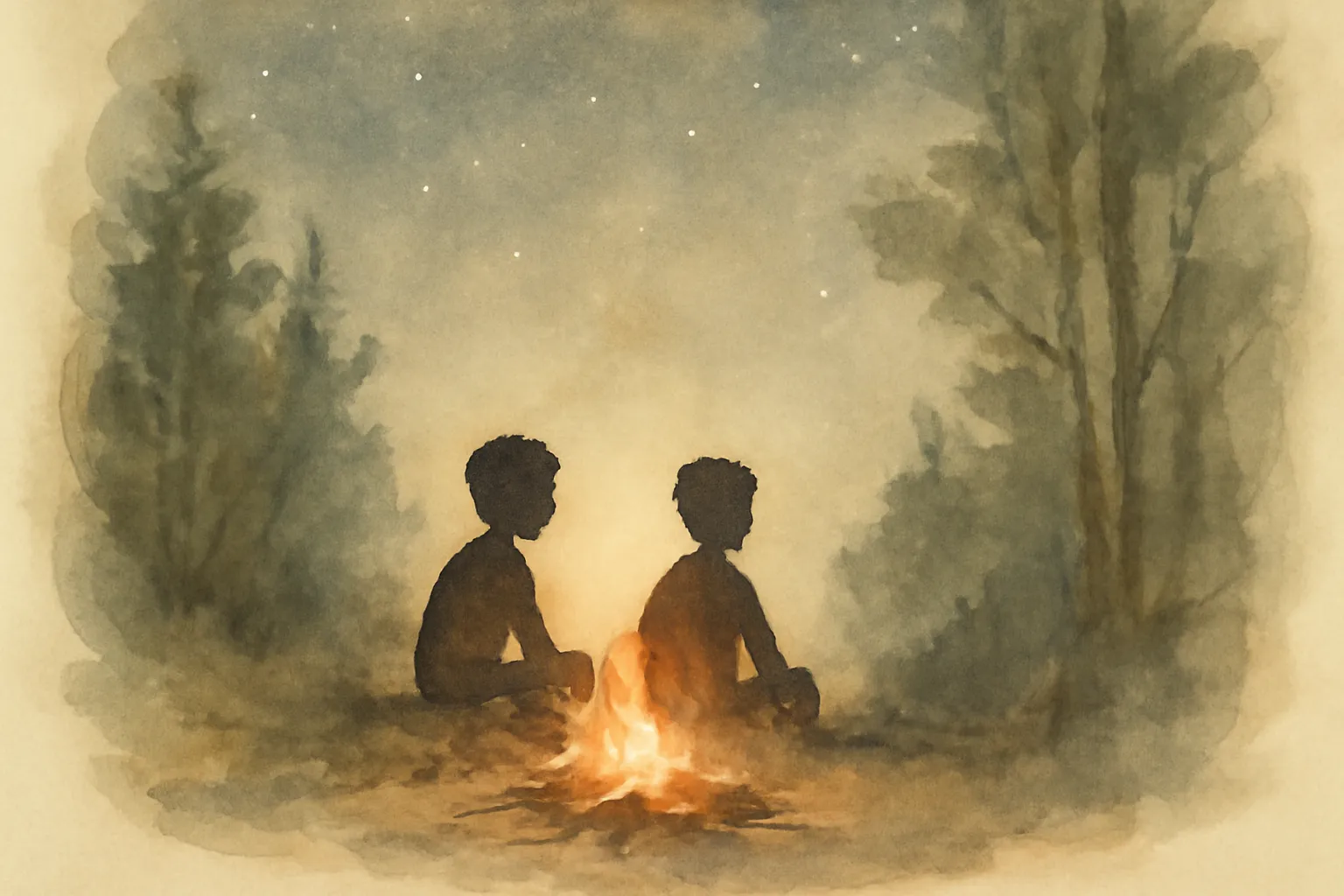
A glimpse inside

The opening chapters of 'Camp-fire and Wigwam' depict the small settlement of Martinsville, a community built on the tenacity of its residents. Among them is Mrs. Read moreThe opening chapters of 'Camp-fire and Wigwam' depict the small settlement of Martinsville, a community built on the tenacity of its residents. Among them is Mrs. Carleton, a widow who embodies the spirit of resilience typical of frontier women. Widowed by violence from Native Americans, she finds strength in her daily responsibilities and her love for her son, Jack. The portrayal of her character illustrates the vital role women played in maintaining the home and nurturing their children amidst the external threats of the wilderness. Mrs. Carleton’s insistence on her son's education highlights the value placed on knowledge as a form of empowerment and a tool for survival. This emphasis on resilience and the supportive network of neighbors underscores the collective spirit necessary for survival in a harsh, unpredictable environment. Throughout the story, Mrs. Carleton’s nurturing nature represents the unwavering foundation that holds families together during tumultuous times. Show less
Jack and Otto's decision to search for the lost horse Toby serves as a poignant reminder of youthful exuberance and naivety. Read moreJack and Otto's decision to search for the lost horse Toby serves as a poignant reminder of youthful exuberance and naivety. Their excitement over the prospect of adventure reveals a common trait among young boys of the era who sought to assert their independence and bravery in a world rife with challenges. However, their eagerness to embark on this journey also illustrates a lack of awareness of the dangers that lie ahead. As they traverse the wilderness, the boys' initial thrill is soon tempered by the stark realities of survival and the real threats posed by both nature and potential human adversaries. The boys' conversations reveal their innocence, filled with dreams and ambitions, yet they soon encounter the harshness of the wild. This duality of adventure—excitement mixed with danger—establishes a central theme in the narrative, emphasizing that the pursuit of adventure is often fraught with unforeseen complications. Their naivety is reflected in their underestimation of the wilderness, setting the stage for the profound lessons that will ultimately shape their characters. Show less
Read the full text — free
About the author
Edward Sylvester Ellis has 6 works free to read on Lumina, including Adrift in the Wilds; Or, The Adventures of Two Shipwrecked Boys, Footprints in the Forest, The Hunters of the Ozark