1.The Resilience of Pioneer Families
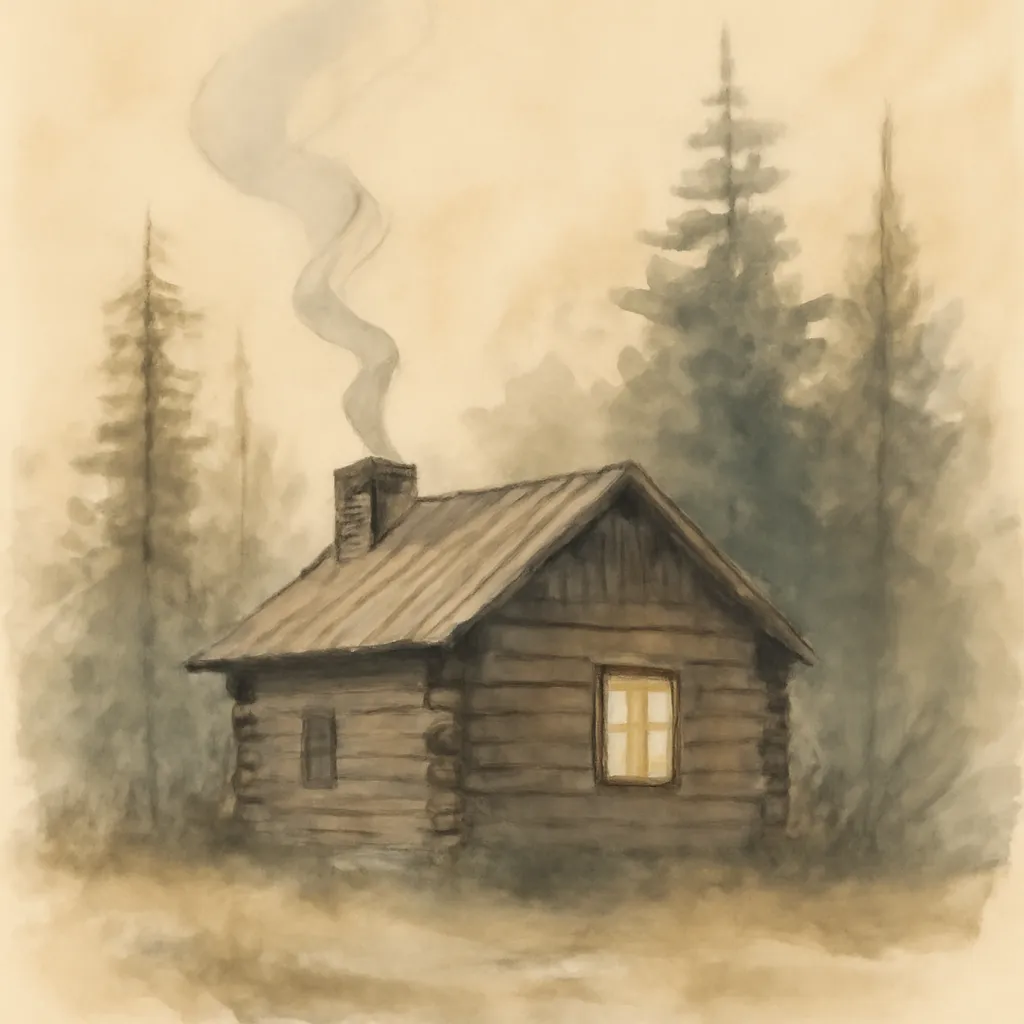
The opening chapters of 'Camp-fire and Wigwam' depict the small settlement of Martinsville, a community built on the tenacity of its residents. Among them is Mrs. Carleton, a widow who embodies the spirit of resilience typical of frontier women. Widowed by violence from Native Americans, she finds strength in her daily responsibilities and her love for her son, Jack. The portrayal of her character illustrates the vital role women played in maintaining the home and nurturing their children amidst the external threats of the wilderness. Mrs. Carleton’s insistence on her son's education highlights the value placed on knowledge as a form of empowerment and a tool for survival. This emphasis on resilience and the supportive network of neighbors underscores the collective spirit necessary for survival in a harsh, unpredictable environment. Throughout the story, Mrs. Carleton’s nurturing nature represents the unwavering foundation that holds families together during tumultuous times.
2.Youthful Adventure and Naivety
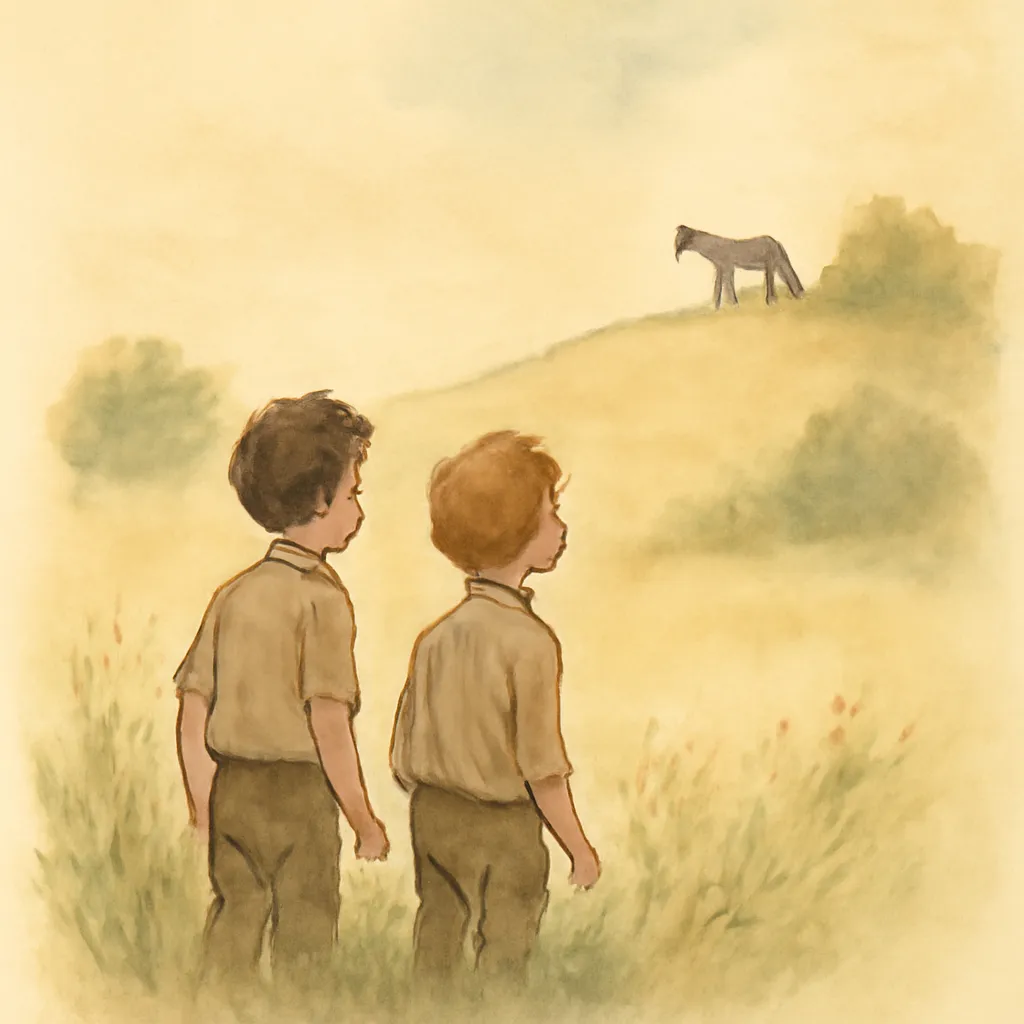
Jack and Otto's decision to search for the lost horse Toby serves as a poignant reminder of youthful exuberance and naivety. Their excitement over the prospect of adventure reveals a common trait among young boys of the era who sought to assert their independence and bravery in a world rife with challenges. However, their eagerness to embark on this journey also illustrates a lack of awareness of the dangers that lie ahead. As they traverse the wilderness, the boys' initial thrill is soon tempered by the stark realities of survival and the real threats posed by both nature and potential human adversaries. The boys' conversations reveal their innocence, filled with dreams and ambitions, yet they soon encounter the harshness of the wild. This duality of adventure—excitement mixed with danger—establishes a central theme in the narrative, emphasizing that the pursuit of adventure is often fraught with unforeseen complications. Their naivety is reflected in their underestimation of the wilderness, setting the stage for the profound lessons that will ultimately shape their characters.
3.Cultural Encounters and Misunderstandings
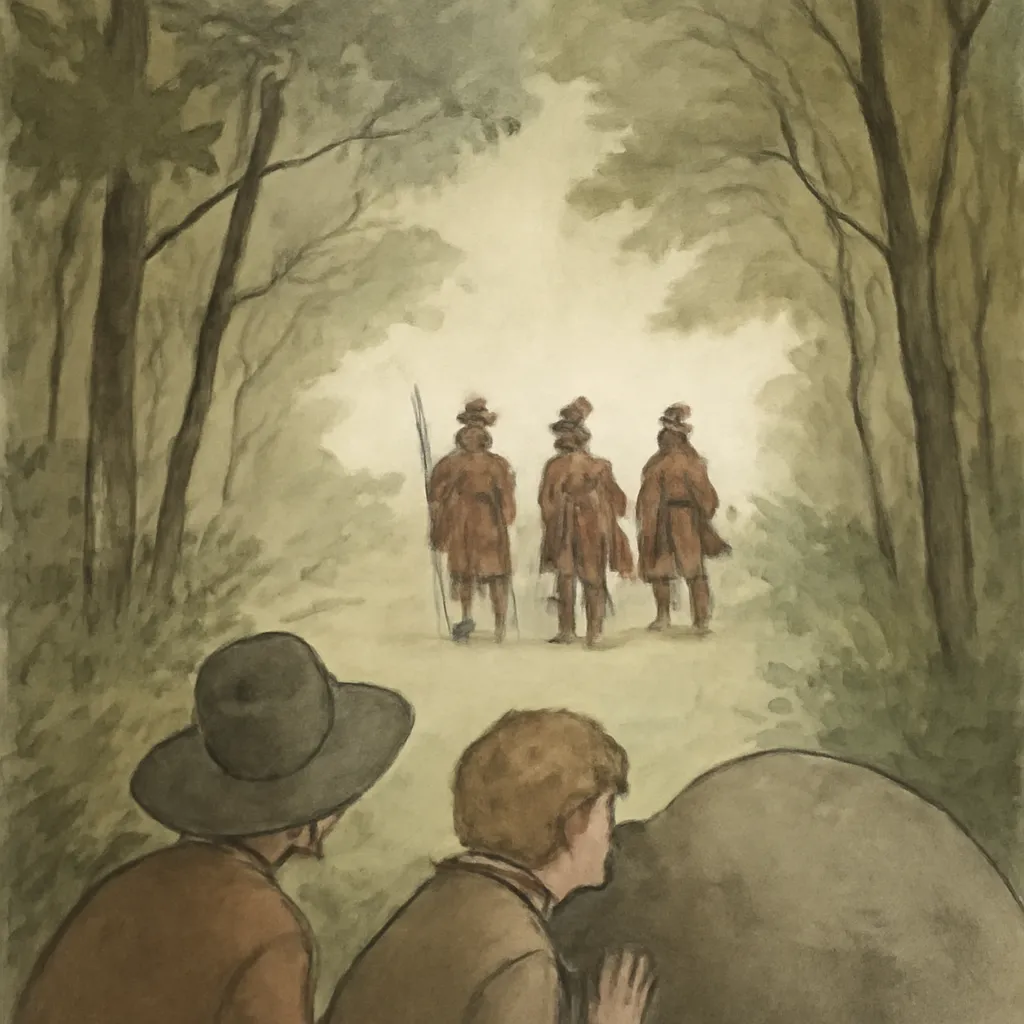
Jack and Otto’s interaction with the Sauk tribe marks a critical moment in their adventure, revealing the complex dynamics between settlers and Native Americans. Initially, the boys view the Sauk through a lens of fear and hostility, shaped by the longstanding narratives of violence between their peoples. However, as the story unfolds, Jack's perspective begins to shift. Through his captivity, he gains insight into the lives of his captors, challenging his previous misconceptions. The narrative illustrates how preconceived notions about another culture can lead to misunderstandings, and Jack’s growth reflects the potential for empathy to flourish in unfamiliar circumstances. By observing the Sauk’s customs, traditions, and familial bonds during his captivity, Jack learns that beneath the surface of hostility lies a rich tapestry of human experience. Ellis uses this encounter to highlight the multifaceted nature of human relationships, suggesting that beneath the veneer of hostility lies the potential for mutual respect and understanding. This evolution in Jack's perspective emphasizes the importance of cultural exchange and the transformative power of shared experiences.
4.Resilience in Captivity
Jack’s experience as a captive of the Sauk tribe demonstrates remarkable resilience and adaptability. Rather than succumbing to despair, he learns to navigate his new reality by observing the behaviors and customs of the warriors around him. This adaptability is not merely a matter of survival; it reflects Jack's growth as a character. He begins to understand the motivations of his captors, which serves to humanize them and dispel his initial fears. For example, rather than viewing the warriors solely as threats, Jack recognizes their complex motivations and emotions, which include pride, duty, and familial love. This shift in perception fosters a connection between Jack and the Sauk, allowing him to find common ground amid their differences. The psychological impact of captivity pushes Jack to develop problem-solving skills and emotional intelligence, ultimately shaping him into a more rounded individual. His resilience becomes a testament to the strength of the human spirit in the face of adversity, illustrating how difficult circumstances can lead to personal growth and understanding.
5.Nature as an Indomitable Force
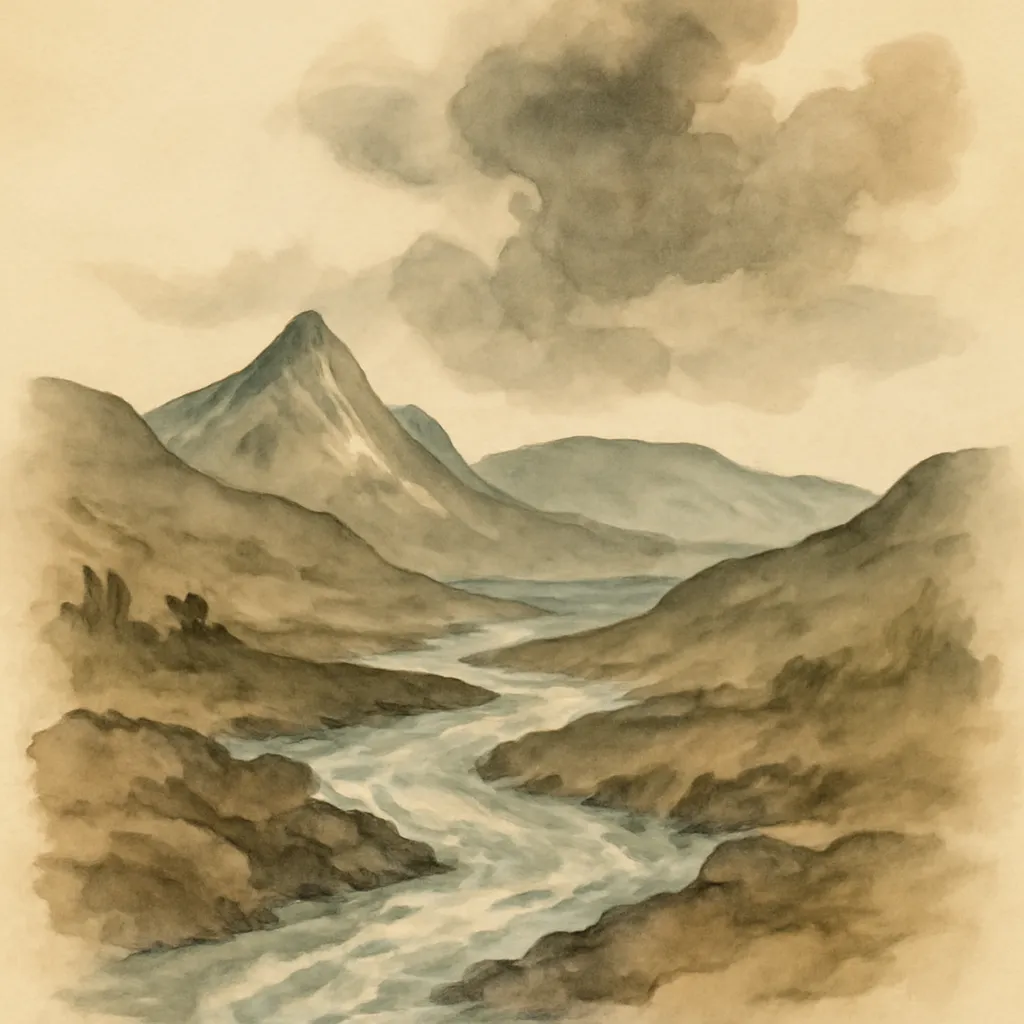
Throughout 'Camp-fire and Wigwam', nature is depicted as both a source of beauty and a formidable challenge. The wilderness surrounding Martinsville is described vividly, with Ellis painting a picture of vast landscapes that are both enchanting and intimidating. This duality serves to remind readers of the unpredictable nature of the frontier. The storms that threaten to derail Jack and Otto's journey exemplify nature's power and the need for respect in one's interactions with the environment. As Jack and Otto navigate through the thick woods and unpredictable weather, they learn that nature requires humility and adaptability. Their struggles against the elements highlight their vulnerability and the lessons that must be learned when living in such an untamed landscape. The relationship between humans and their environment, as portrayed in the narrative, emphasizes the interconnectedness of life and the necessity for settlers to adapt to their surroundings or face dire consequences. Ellis uses nature not only as a backdrop but as a character that influences the boys’ journey and their personal development.
6.Friendship and Loyalty Amidst Trials
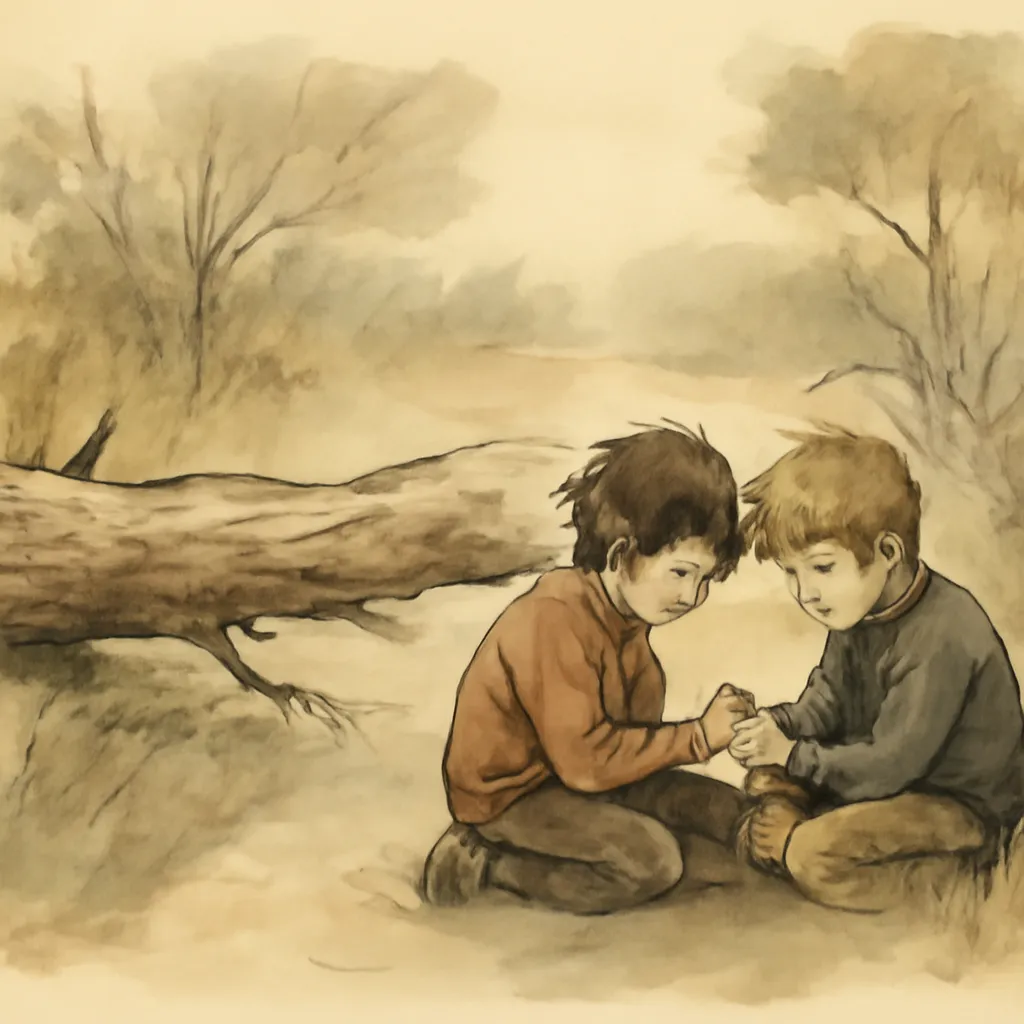
The friendship between Jack and Otto is a central theme that underscores the narrative. Their bond is tested as they face numerous challenges together, from navigating the wilderness to enduring the trials of captivity. The boys' loyalty to one another is a testament to the strength of their friendship, demonstrating that true companionship can provide comfort and resilience in the face of adversity. Whether sharing dreams around the fire or confronting the dangers of captivity, their interactions reveal the depth of their connection. This loyalty is particularly evident when Jack is captured; Otto's resolve to find him shows how their experiences have solidified their friendship. The narrative portrays how shared hardships can create unbreakable bonds between individuals. This theme resonates particularly well with readers, as it reflects the importance of solidarity during challenging times, suggesting that the support of friends can be a lifeline in moments of despair. The trials they encounter serve to deepen their friendship, reinforcing the notion that shared experiences—whether joyful or fraught with danger—can strengthen the bonds between individuals.
7.Cultural Respect and Growth
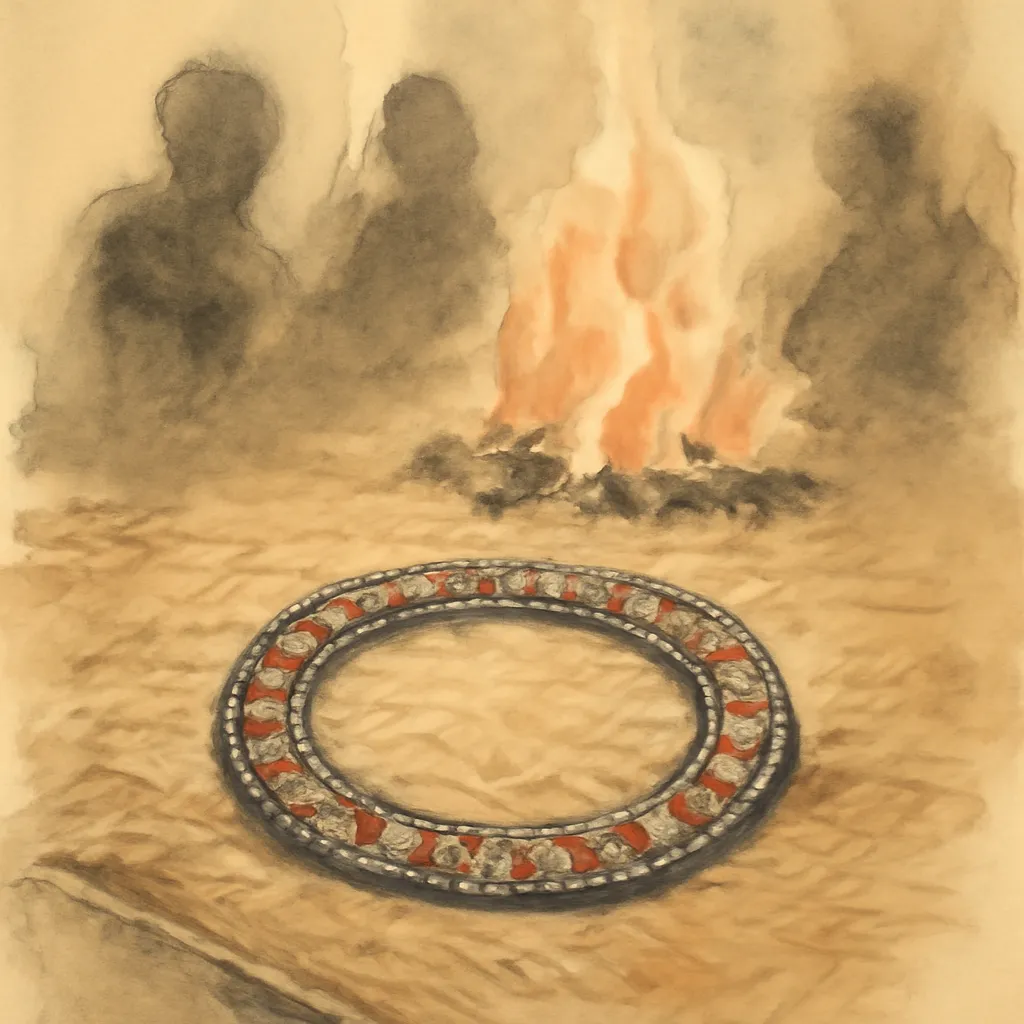
Jack's captivity leads him to develop a deeper understanding of the Sauk tribe's culture. Initially filled with prejudice and fear, Jack's experiences force him to confront his assumptions as he engages with his captors. This engagement fosters a sense of respect for their customs and way of life. One key moment occurs when Jack observes the warriors’ interactions, allowing him to see them not merely as adversaries but as individuals with their own beliefs and values. This transformation in Jack’s character represents a crucial aspect of the narrative, emphasizing the importance of cultural respect and the growth that can arise from understanding different perspectives. Jack's evolving perception of the Sauk tribe reflects a broader commentary on the necessity of compassion and dialogue in bridging cultural divides. Ellis crafts a narrative that encourages readers to question their biases and highlights the enriching experiences that come from open-mindedness and cultural appreciation.
8.The Concept of Home
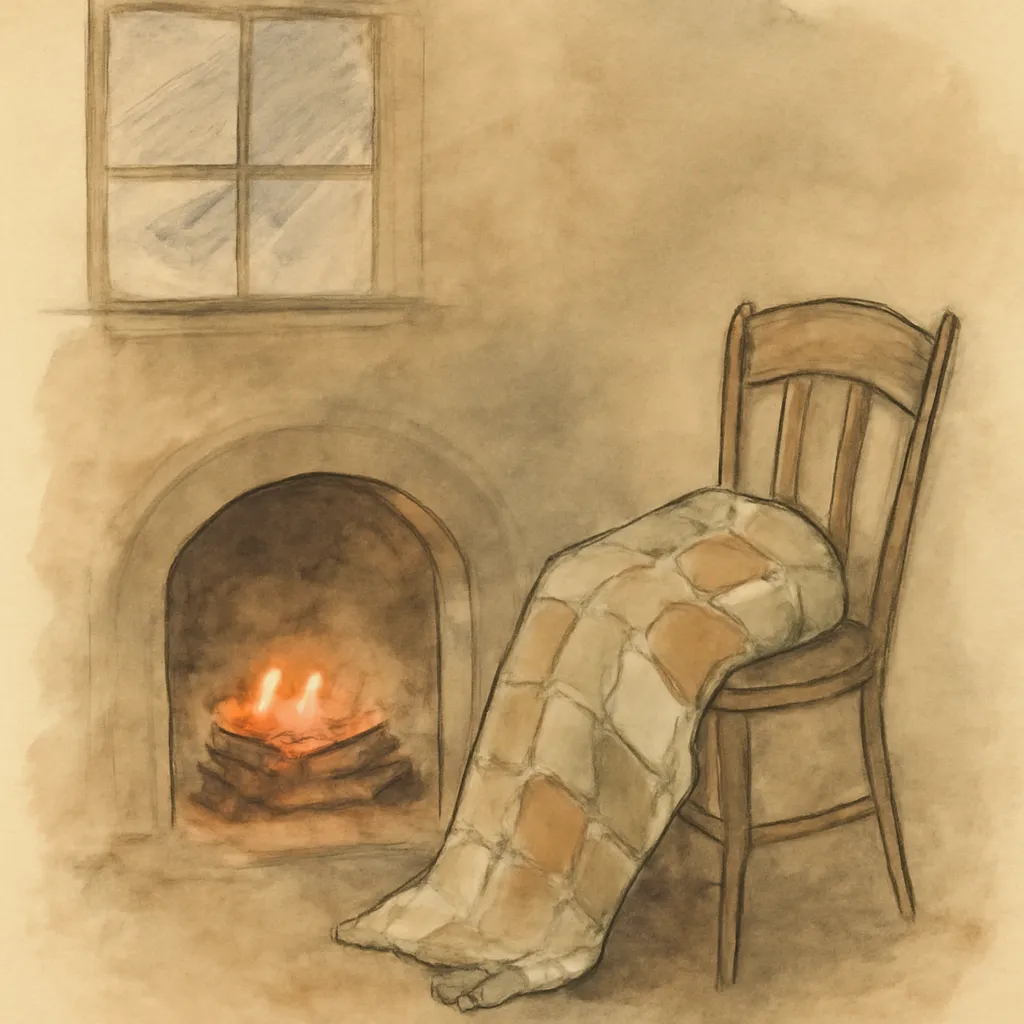
Home is a recurring motif in 'Camp-fire and Wigwam', representing not only physical shelter but also emotional security. For Mrs. Carleton, home is a place of comfort and love, distinctly juxtaposed against the dangers faced outside. Jack’s longing for home intensifies throughout his ordeal, particularly during moments of uncertainty and fear as a captive. This yearning highlights the emotional toll that displacement can take on individuals, especially children. As Jack navigates his captivity, his thoughts often drift back to his mother and their log cabin, symbolizing safety and belonging. The contrast between the safety of home and the unpredictability of the wilderness serves to emphasize the theme that home is not merely a physical space but an emotional anchor that shapes one’s identity. Jack’s ultimate desire to return home is a central driving force in his actions and decisions throughout the story, underscoring the universal need for a place where one feels secure and loved.
9.Survival Instincts and Ingenuity
As Jack navigates the challenges of survival in the wilderness, his instincts and resourcefulness come to the forefront. He learns to rely on his wits and adaptability, whether devising a plan to escape or finding food and shelter. These survival instincts highlight the innate human drive to persevere in the face of danger. Jack's determination to find a way home underscores the universal theme of resilience. His experiences serve to illustrate that survival is not solely about physical strength but also about mental acuity and creativity. The strategies Jack employs, such as observing the Sauk’s behaviors to learn more about their culture and finding innovative ways to communicate, exemplify his growth and transformation. This message is particularly relevant as it speaks to the broader human experience of facing adversity and finding innovative solutions to overcome obstacles. The narrative suggests that survival is not just a physical battle but also a mental and emotional journey, necessitating quick thinking and adaptability.
10.The Legacy of Wilderness Experiences
By the conclusion of 'Camp-fire and Wigwam', Jack's experiences leave a lasting impact on his character and outlook on life. The trials he faces, including his capture and the challenges of the wilderness, shape his understanding of bravery, loyalty, and cultural respect. Ellis effectively uses Jack's journey to illustrate that the wilderness experience is not merely about physical survival but also about personal growth and transformation. Jack's character evolves significantly as he learns important life lessons through his encounters with the Sauk tribe and the wilderness itself. This legacy of the wilderness becomes an integral part of who Jack is, influencing his future interactions and decisions. The narrative suggests that the lessons learned from such experiences remain with individuals long after the adventure ends, embodying the idea that every encounter and challenge shapes one's identity. The story ultimately serves as a reminder that such formative experiences are crucial in defining who we become as individuals.