

Business · Capitalism · Economic policy
Capitalism and Freedom by Milton Friedman — Summary, Key Ideas & Quotes
1962202 pages✦ 3-min Big ideas★ 3.8 (6)
Rate it
Selected by the Times Literary Supplement as one of the "hundred most influential books since the war"How can we benefit from the promise of government while avoiding the threat it poses to individual freedom? In this classic book, Milton Friedman provides the definitive statement of his immensely influential economic philosophy—one in which competitive capitalism serves as both a device for achieving economic freedom and a necessary condition for political freedom. The result is an accessible text that has sold well over half a million copies in English, has been translated into eighteen languages, and shows every sign of becoming more and more influential as time goes on.
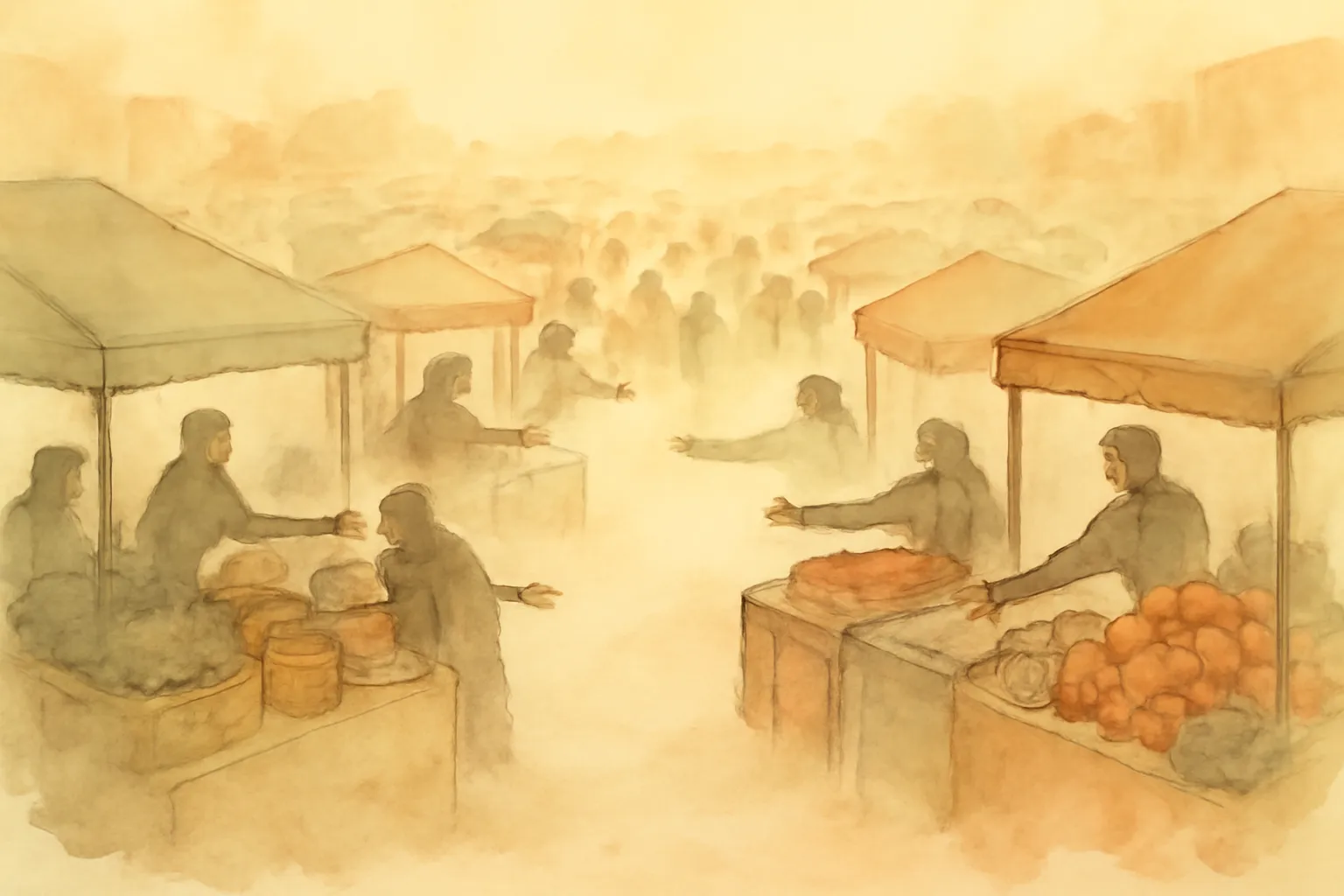
Friedman contends that economic arrangements are crucial for political liberty. He argues that only a system of competitive capitalism—where individuals are free to choose how to use their resources—can safeguard political freedom. Without the dispersion of economic power, political power becomes concentrated, threatening individual rights. In his view, economic freedom is both an end in itself and a means to broader personal and political freedom.
Friedman advocates for a limited government whose primary functions are to maintain law and order, enforce contracts, and protect property rights. He warns that when government extends its reach into economic life—through regulation, price controls, or ownership of enterprises—it risks undermining individual freedom. He distinguishes between the government as a rule-maker and umpire versus an active participant in the economy, arguing that the former preserves liberty while the latter threatens it.
“A society that puts equality before freedom will get neither. A society that puts freedom before equality will get a high degree of both.”
“There is one and only one social responsibility of business—to use its resources and engage in activities designed to increase its profits.”
“Underlying most arguments against the free market is a lack of belief in freedom itself.”