1.Economic Freedom as a Prerequisite for Political Freedom
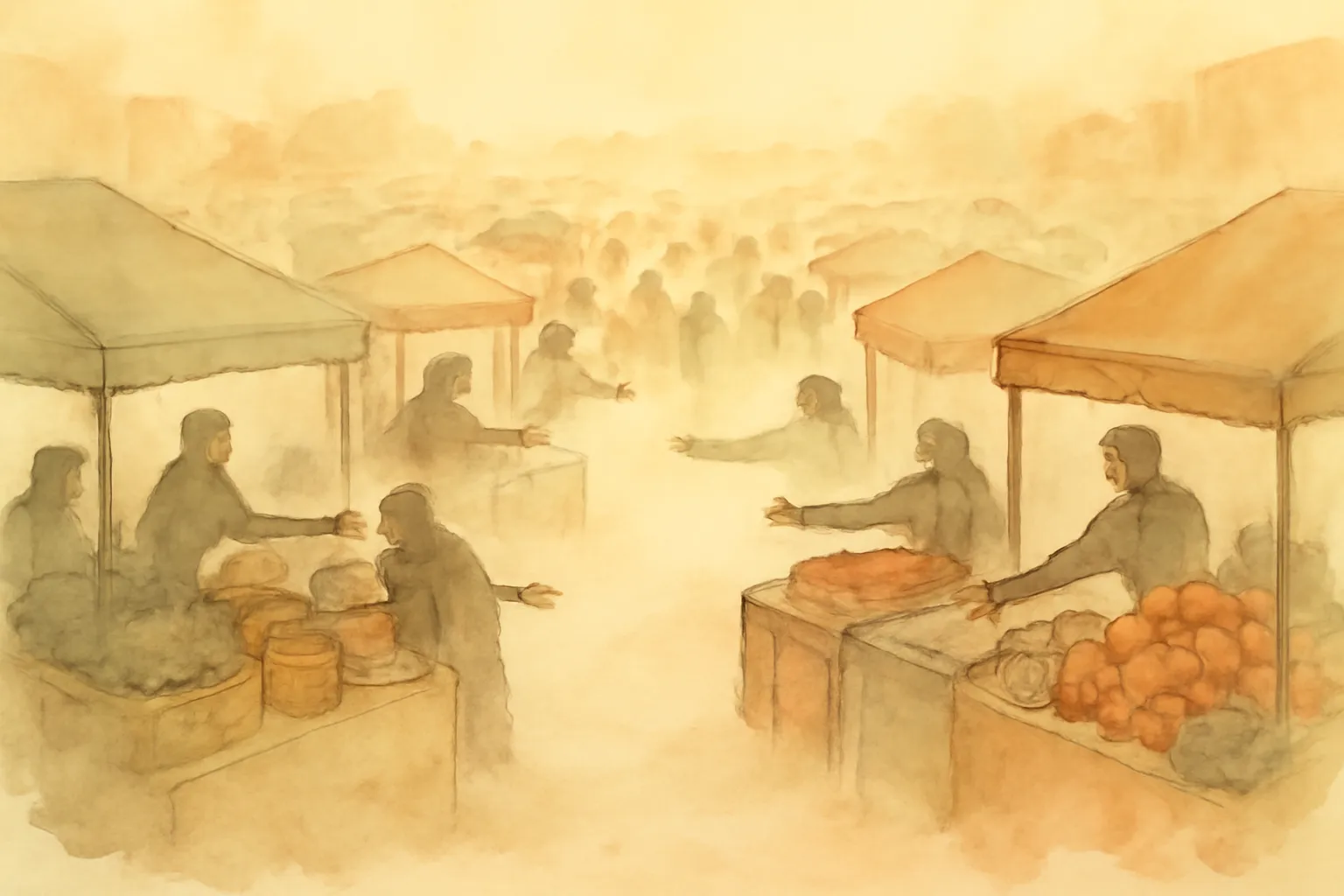
Friedman contends that economic arrangements are crucial for political liberty. He argues that only a system of competitive capitalism—where individuals are free to choose how to use their resources—can safeguard political freedom. Without the dispersion of economic power, political power becomes concentrated, threatening individual rights. In his view, economic freedom is both an end in itself and a means to broader personal and political freedom.
2.The Proper Role of Government
Friedman advocates for a limited government whose primary functions are to maintain law and order, enforce contracts, and protect property rights. He warns that when government extends its reach into economic life—through regulation, price controls, or ownership of enterprises—it risks undermining individual freedom. He distinguishes between the government as a rule-maker and umpire versus an active participant in the economy, arguing that the former preserves liberty while the latter threatens it.
3.Critique of Government Intervention
Throughout the book, Friedman critiques various forms of government intervention, such as minimum wage laws, agricultural subsidies, and social welfare programs. He argues that these policies, though often well-intentioned, produce unintended consequences and inefficiencies. More importantly, he believes they erode personal responsibility and choice, ultimately diminishing freedom. Instead, he champions voluntary exchange and market solutions to social problems.
4.School Choice and Vouchers
One of Friedman's most influential policy proposals is the idea of school vouchers. He argues that public education would be improved by introducing competition, allowing parents to choose where to send their children using government-funded vouchers. This, he claims, would drive innovation, efficiency, and better outcomes, while respecting individual choice and reducing bureaucratic control over education.
5.Flat Tax and Negative Income Tax
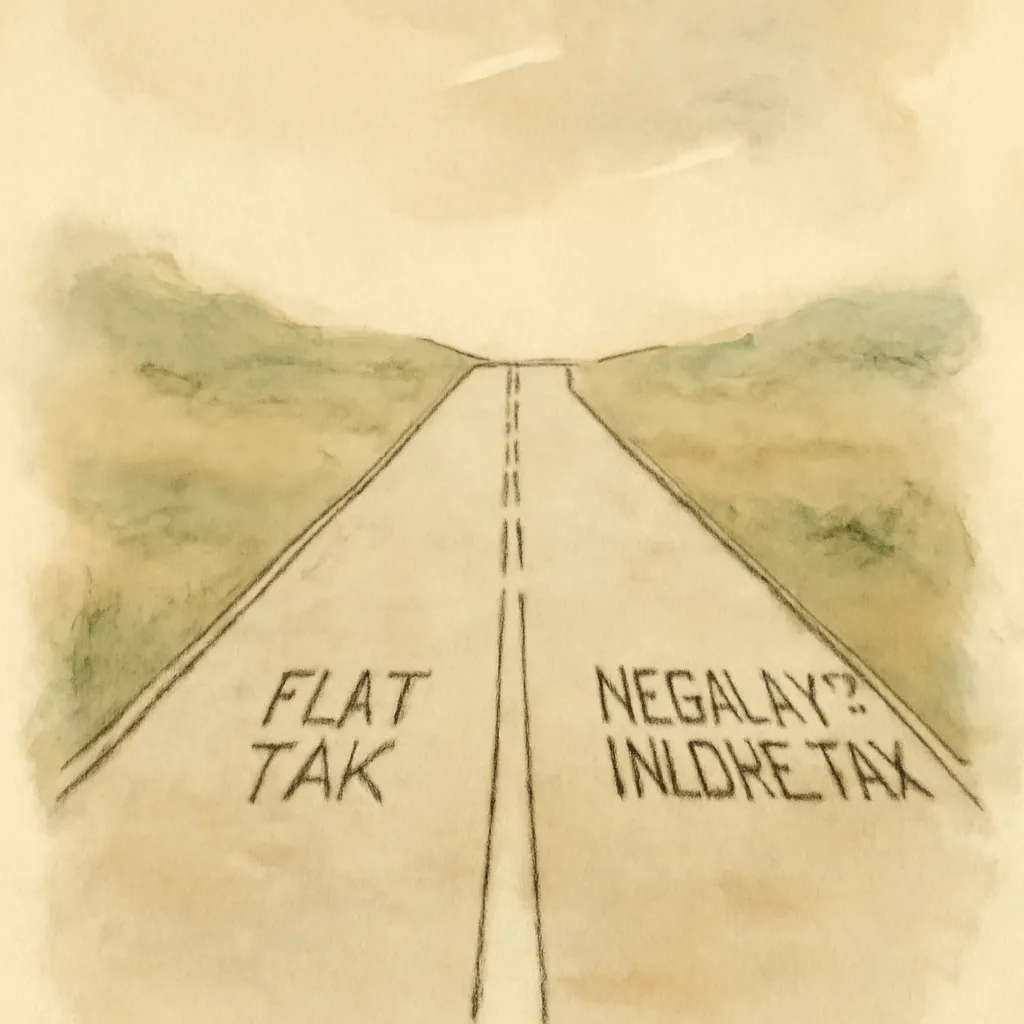
Friedman proposes simplifying the tax system with a flat tax and introduces the concept of a negative income tax—a precursor to modern universal basic income debates. This system would provide direct cash payments to those below a certain income, replacing complex welfare programs. He believes this approach would be more efficient, less paternalistic, and less distorting to incentives, while still addressing poverty.
6.Dangers of Concentrated Power
A recurring theme is Friedman's warning against the concentration of power, whether in government or private monopolies. He argues that a competitive market disperses power, making it harder for any single entity to dominate. Conversely, when government accumulates economic control, it becomes a threat to freedom, regardless of its intentions.