

Science · History · Space and time
Coming of Age in the Milky Way by Timothy Ferris — Summary, Key Ideas & Quotes
1988495 pages✦ 3-min Big ideas★ 4.0 (3)
Rate it
Traces the evolution of humanity's need to understand space and time from late-prehistoric musings to the "supersymmetry" theories of space-time advanced as the second millennium comes to a close.
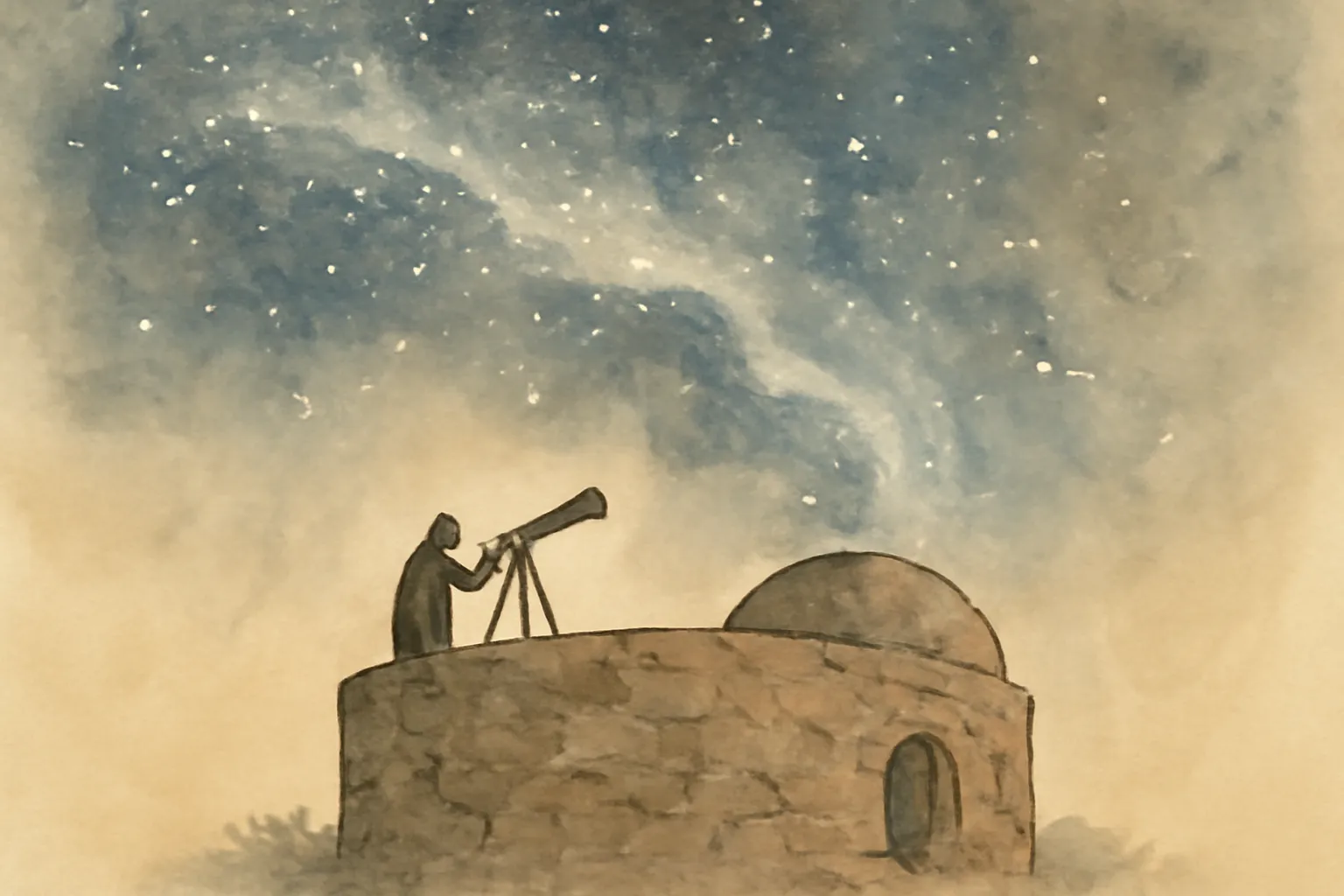
Ferris traces the gradual shift from mythological explanations of the cosmos to scientific inquiry. He shows how early civilizations looked to the heavens for meaning, and how, over centuries, observation and reason replaced superstition. This evolution reflects not just advances in technology, but a profound transformation in human self-understanding—moving from a geocentric worldview to recognizing our planet as one among billions in a vast universe.
The book emphasizes that scientific progress is deeply human—driven by curiosity, error, debate, and imagination. Ferris highlights the personalities and struggles of figures like Copernicus, Galileo, Newton, and Einstein, showing that science is not a cold, impersonal process but a story of individuals challenging dogma and pushing boundaries. This human dimension makes the history of astronomy relatable and inspiring.
“We are a way for the cosmos to know itself.”
