1.The Evolution of Cosmic Perspective
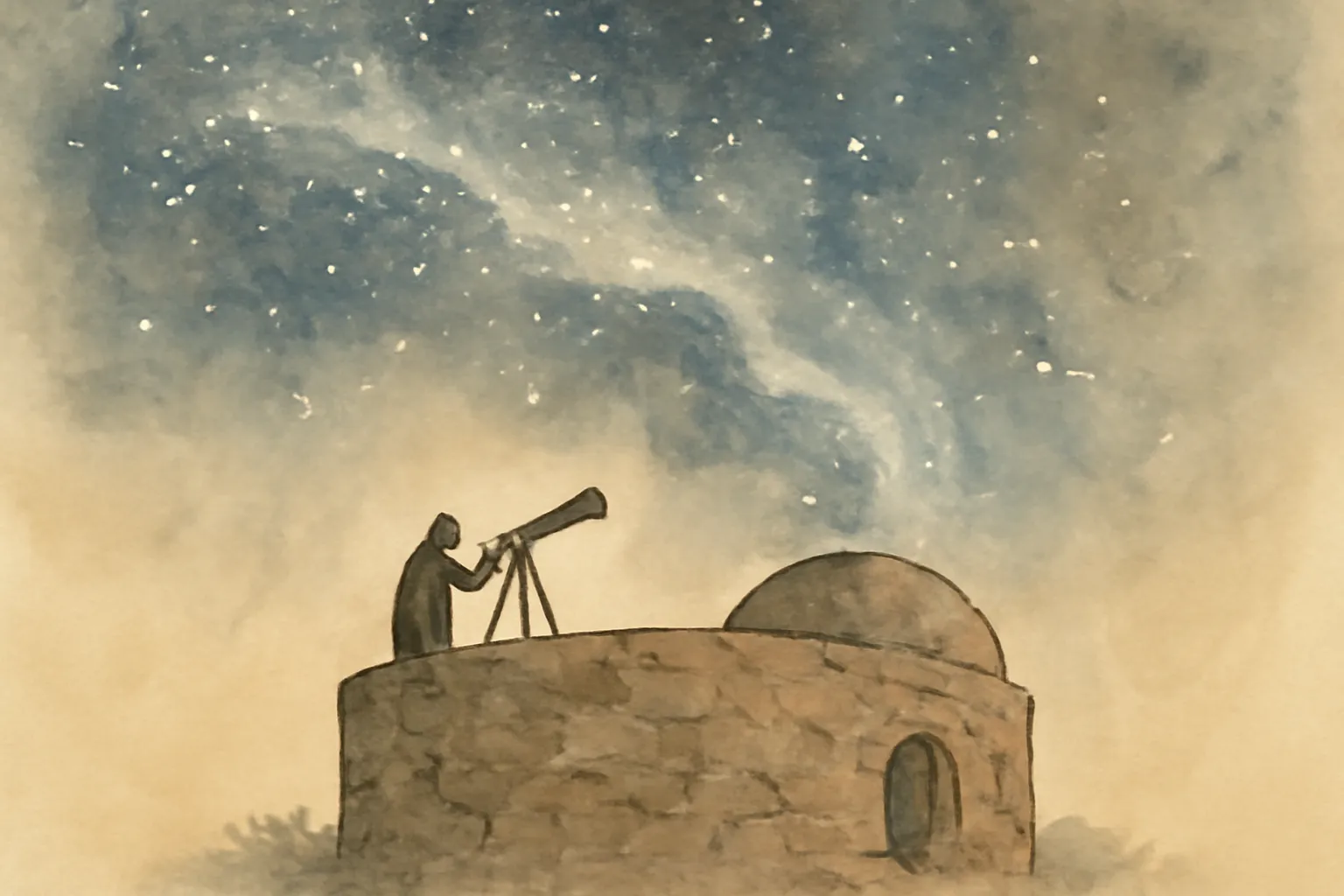
Ferris traces the gradual shift from mythological explanations of the cosmos to scientific inquiry. He shows how early civilizations looked to the heavens for meaning, and how, over centuries, observation and reason replaced superstition. This evolution reflects not just advances in technology, but a profound transformation in human self-understanding—moving from a geocentric worldview to recognizing our planet as one among billions in a vast universe.
2.Science as a Human Endeavor
The book emphasizes that scientific progress is deeply human—driven by curiosity, error, debate, and imagination. Ferris highlights the personalities and struggles of figures like Copernicus, Galileo, Newton, and Einstein, showing that science is not a cold, impersonal process but a story of individuals challenging dogma and pushing boundaries. This human dimension makes the history of astronomy relatable and inspiring.
3.The Interplay of Philosophy and Astronomy
Ferris explores how philosophical ideas about reality, knowledge, and existence have shaped—and been shaped by—astronomical discoveries. From Plato’s ideal forms to the Enlightenment’s rationalism, the book illustrates how shifts in worldview often preceded or accompanied scientific breakthroughs. This interplay underscores that our understanding of the universe is as much about changing minds as changing telescopes.
4.Revolutions in Scientific Thought
Coming of Age in the Milky Way details pivotal moments when old paradigms were upended: the Copernican revolution, Newtonian physics, relativity, and quantum theory. Ferris explains not only what these revolutions entailed, but why they were so disruptive to established beliefs. Each leap forward forced humanity to confront its own insignificance and the vastness of the unknown.
5.The Ongoing Quest for Understanding
Ferris concludes that the journey is far from over. Theories like supersymmetry and the search for a unified theory of physics illustrate that science is a living process, always evolving. The book encourages readers to see themselves as part of this ongoing quest, suggesting that curiosity and wonder are central to what it means to be human.
6.The Democratization of Knowledge
A recurring theme is the gradual spread of scientific knowledge beyond elites to the broader public. Ferris celebrates the role of education, communication, and technology in making the cosmos accessible to all. This democratization is both a product and a driver of humanity’s intellectual coming of age.