

Computer science · Computers · Forecasting
Computational Thinking by Robert M. Metcalfe — Summary, Key Ideas & Quotes
1998313 pages✦ 3-min Big ideas★ 5.0 (1)
Rate it
In March 1997, the Association for Computing Machinery celebrated the fiftieth anniversary of the electronic computer. Computers are everywhere: in our cars, our homes, our supermarkets, at the office, and at the local hospital. But as the contributors to this volume make clear, the scientific, social and economic impact of computers is only now beginning to be felt. These sixteen invited essays on the future of computing take on a dazzling variety of topics, with opinions from such experts as Gordon Bell, Sherry Turkle, Edsger W. Dijkstra, Paul Abraham, Donald Norman, Franz Alt, and David Gelernter. This brilliantly eclectic collection will fascinate everybody with an interest in computers and where they are leading us.
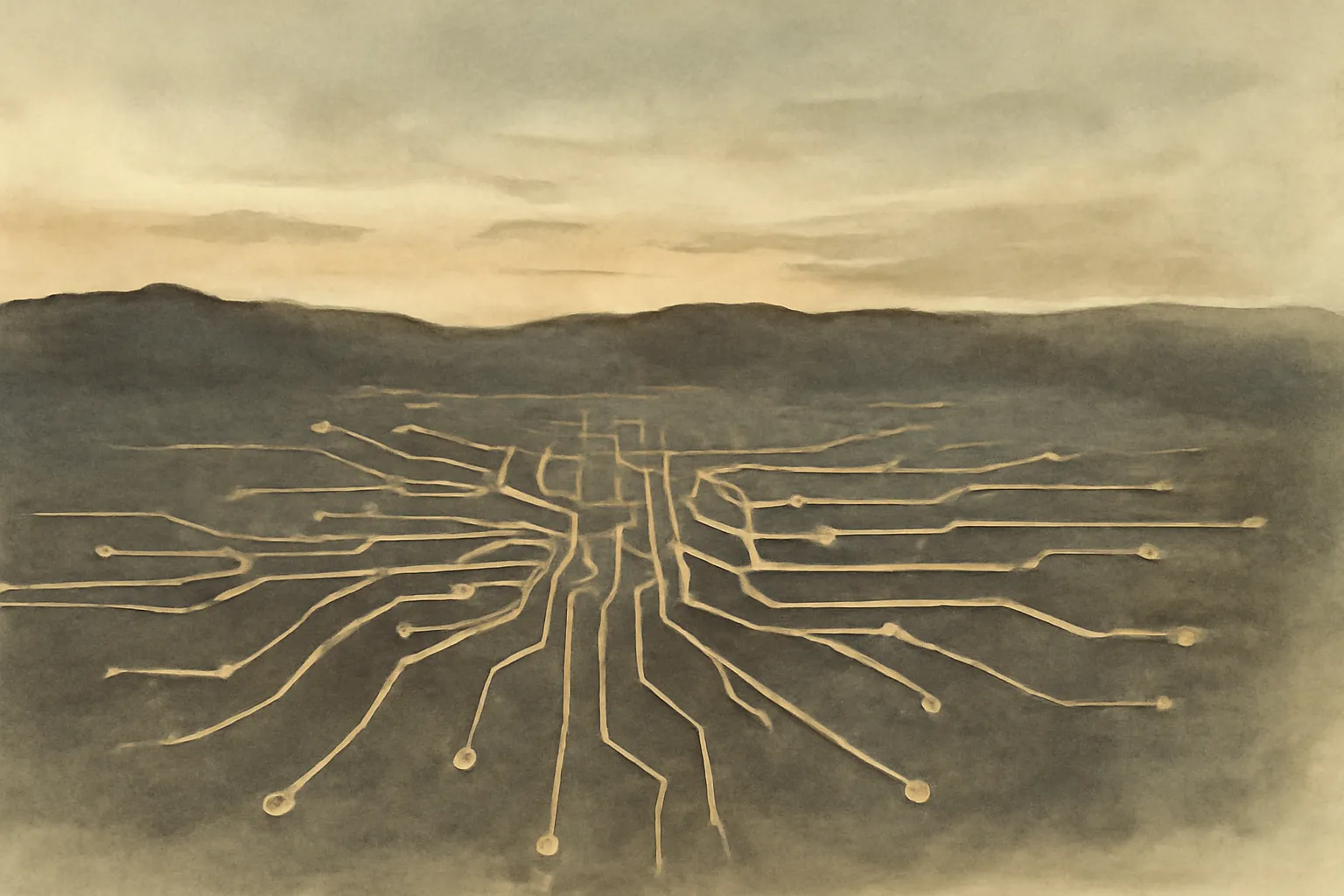
The book argues that computational thinking—the ability to approach problems with the logic, abstraction, and systematic reasoning of computer science—is becoming as fundamental as literacy or numeracy. Contributors suggest that this mindset is not just for programmers, but is increasingly vital across disciplines, from biology to sociology, enabling new ways to model, analyze, and solve complex problems.
Several essays highlight that computers are not just technical tools but social actors. As computing becomes embedded in everyday life, the book probes issues like privacy, identity, and the digital divide. Contributors such as Sherry Turkle examine how technology shapes our sense of self and community, urging readers to consider the responsibilities that come with technological power.