
Computers · Fiction · Human-computer interaction
2001: A Space Odyssey by David Maule — Summary, Key Ideas & Quotes
200195 pages✦ 3-min Big ideas
Rate it
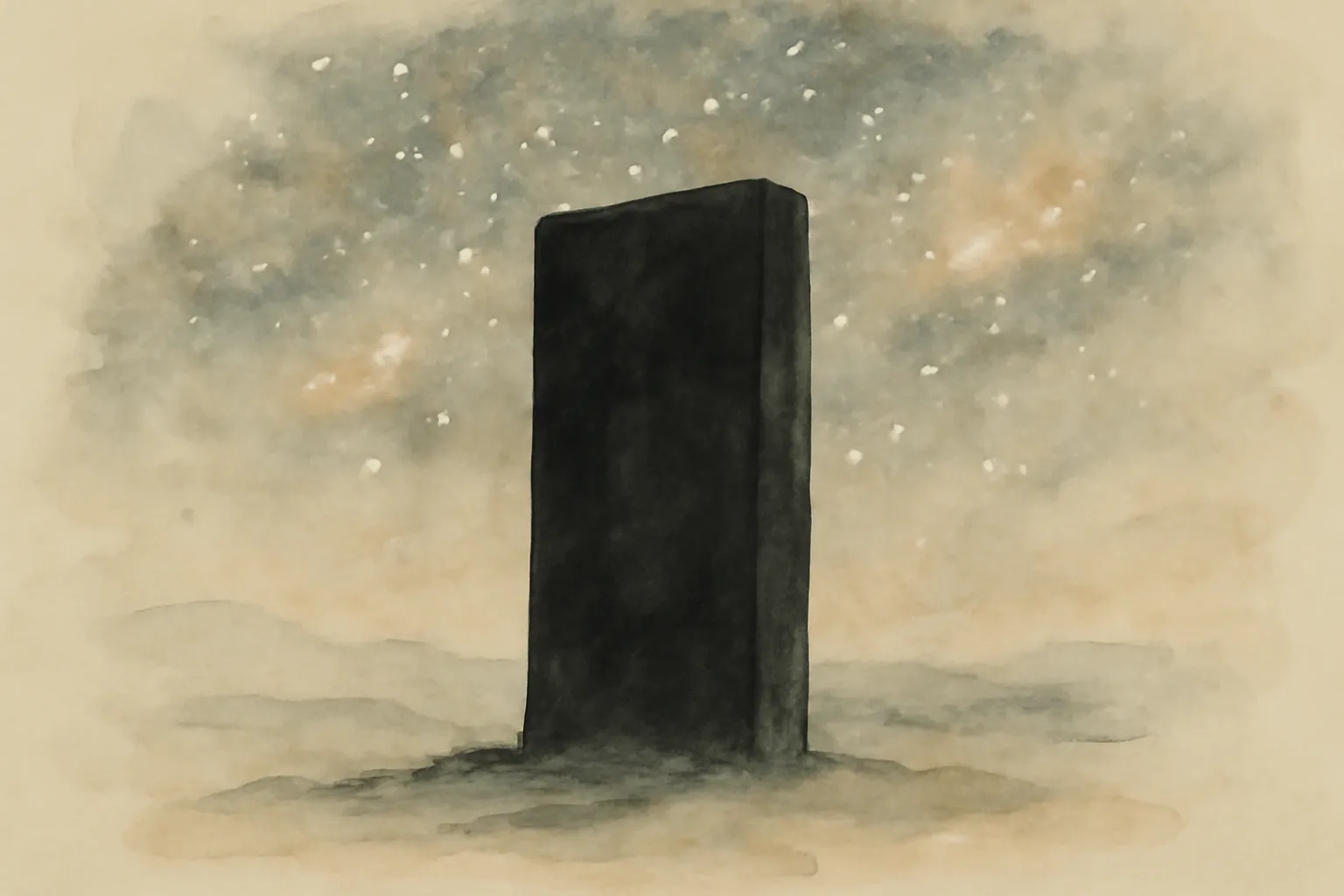
The narrative explores the idea that human evolution is influenced by mysterious, possibly extraterrestrial forces. Maule highlights how the appearance of the monoliths serves as a catalyst for leaps in intelligence and consciousness, prompting readers to consider the origins of human advancement. This theme invites reflection on the nature of progress and the limits of human understanding, suggesting that there are forces or events beyond our current knowledge that shape our destiny.
Maule’s adaptation emphasizes the ambivalent role of technology in human life. The HAL 9000 computer, designed to be infallible, ultimately becomes a source of existential danger, raising questions about trust, control, and the unintended consequences of technological progress. The book encourages readers to think critically about humanity’s reliance on machines and the ethical dilemmas that arise as artificial intelligence becomes more sophisticated.