American Manuscripts · Facsimiles · Fiction
A Fable by William Faulkner — Summary, Key Ideas & Quotes
1950437 pages✦ 3-min Big ideas
Rate it
An allegorical story of World War I set in the trenches in France and dealing ostensibly with a mutiny in a French regiment.
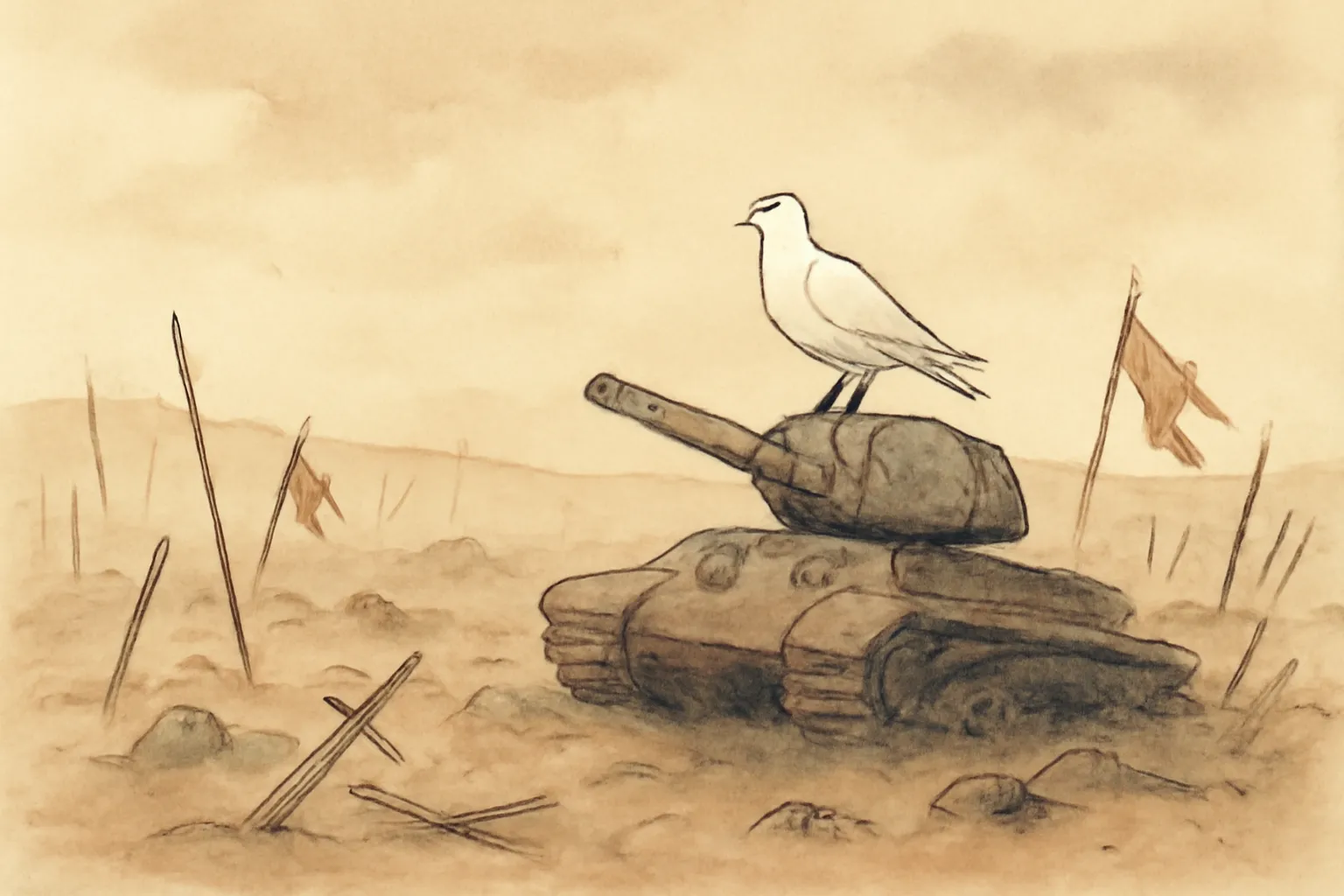
Rather than depicting World War I with historical realism, Faulkner uses the war as a symbolic backdrop. The conflict becomes a stage for exploring universal themes of violence, obedience, and the cyclical nature of human conflict. The novel’s central mutiny echoes the story of Christ, inviting readers to consider the possibility of spiritual renewal in a world addicted to destruction.
At the heart of the novel is the unnamed corporal, a Christ-like figure who leads his regiment in a nonviolent rebellion by refusing to fight. His actions and ultimate fate mirror the Passion narrative, raising questions about the efficacy and cost of self-sacrifice. Faulkner asks whether true change can be achieved through martyrdom, or whether such sacrifices are inevitably co-opted by the systems they seek to transform.