American literature
The Sound and the Fury by William Faulkner — Summary, Key Ideas & Quotes
2015✦ 3-min Big ideas
Rate it
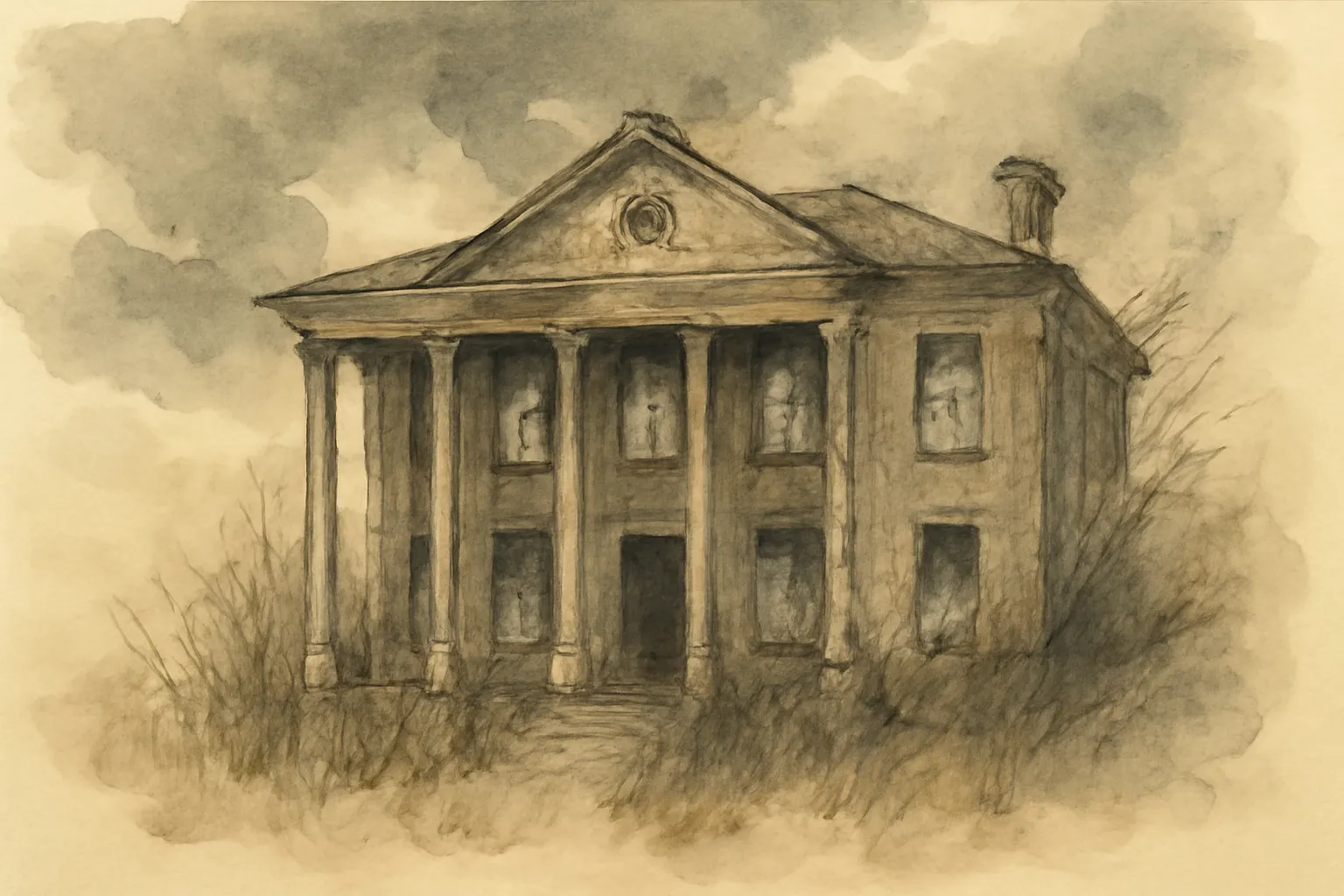
Faulkner’s novel is famous for its experimental structure, presenting the story through four distinct sections, each with a different narrator and style. The first three sections are told from the perspectives of the Compson brothers—Benjy, Quentin, and Jason—each offering a unique, often disjointed view of their family’s decline. This fragmentation mirrors the chaos and subjectivity of memory, forcing readers to piece together the family’s history from unreliable and emotionally charged accounts.
At its core, the novel chronicles the downfall of the Compson family, once proud members of the Southern gentry. Their decline reflects the broader disintegration of traditional Southern values and social structures after the Civil War. Through the Compsons’ struggles, Faulkner critiques nostalgia for a lost past and exposes the emptiness beneath the veneer of Southern gentility.
“I give you the mausoleum of all hope and desire.”
“Clocks slay time... time is dead as long as it is being clicked off by little wheels; only when the clock stops does time come to life.”
“They endured.”