

American literature · New York Times bestseller · Enslaved persons, fiction
James by Percival Everett — Summary, Key Ideas & Quotes
2024320 pages✦ 3-min Big ideas★ 4.6 (5)
Rate it
A brilliant reimagining of Adventures of Huckleberry Finn—both harrowing and satirical—told from the enslaved Jim's point of view When Jim overhears that he is about to be sold to a man in New Orleans, separated from his wife and daughter forever, he runs away until he can formulate a plan. Meanwhile, Huck has faked his own death to escape his violent father. As all readers of American literature know, thus begins the dangerous and transcendent journey by raft down the Mississippi River toward the elusive and unreliable promise of the Free States and beyond. Brimming with nuanced humor and lacerating observations that have made Everett a literary icon, this brilliant and tender novel radically illuminates Jim's agency, intelligence, and compassion as never before. James is destined to be a major publishing event and a cornerstone of twenty-first-century American literature.
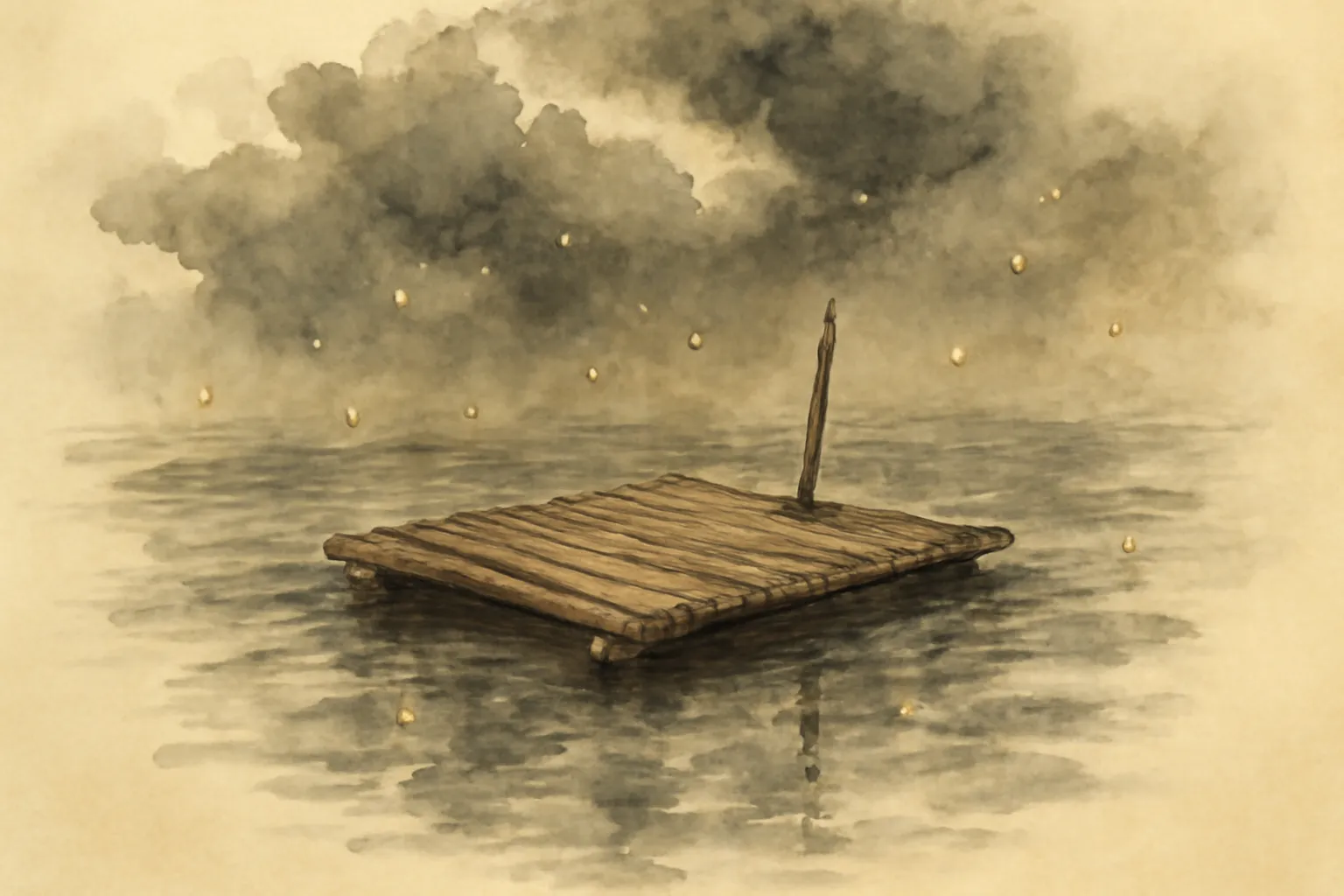
Everett’s 'James' radically re-centers the narrative on Jim, now James, giving him a voice that is articulate, cunning, and deeply human. The novel challenges the original’s portrayal of Jim as passive or simple, instead presenting him as a man whose intelligence is both a means of survival and a quiet rebellion against the dehumanizing system of slavery. James’s ability to navigate the world around him—often by hiding his true self—forces readers to confront how American literature has historically silenced or diminished Black agency.
Everett uses sharp wit and biting satire to expose the absurdities and cruelties of the antebellum South and the myth of American innocence. By retelling a canonical story from the perspective of the enslaved character, the novel subverts the nostalgia often attached to Twain’s original and highlights the hypocrisies of those who claim to value freedom while denying it to others. The humor is often laced with pain, making the social critique all the more powerful.