1.War as Allegory
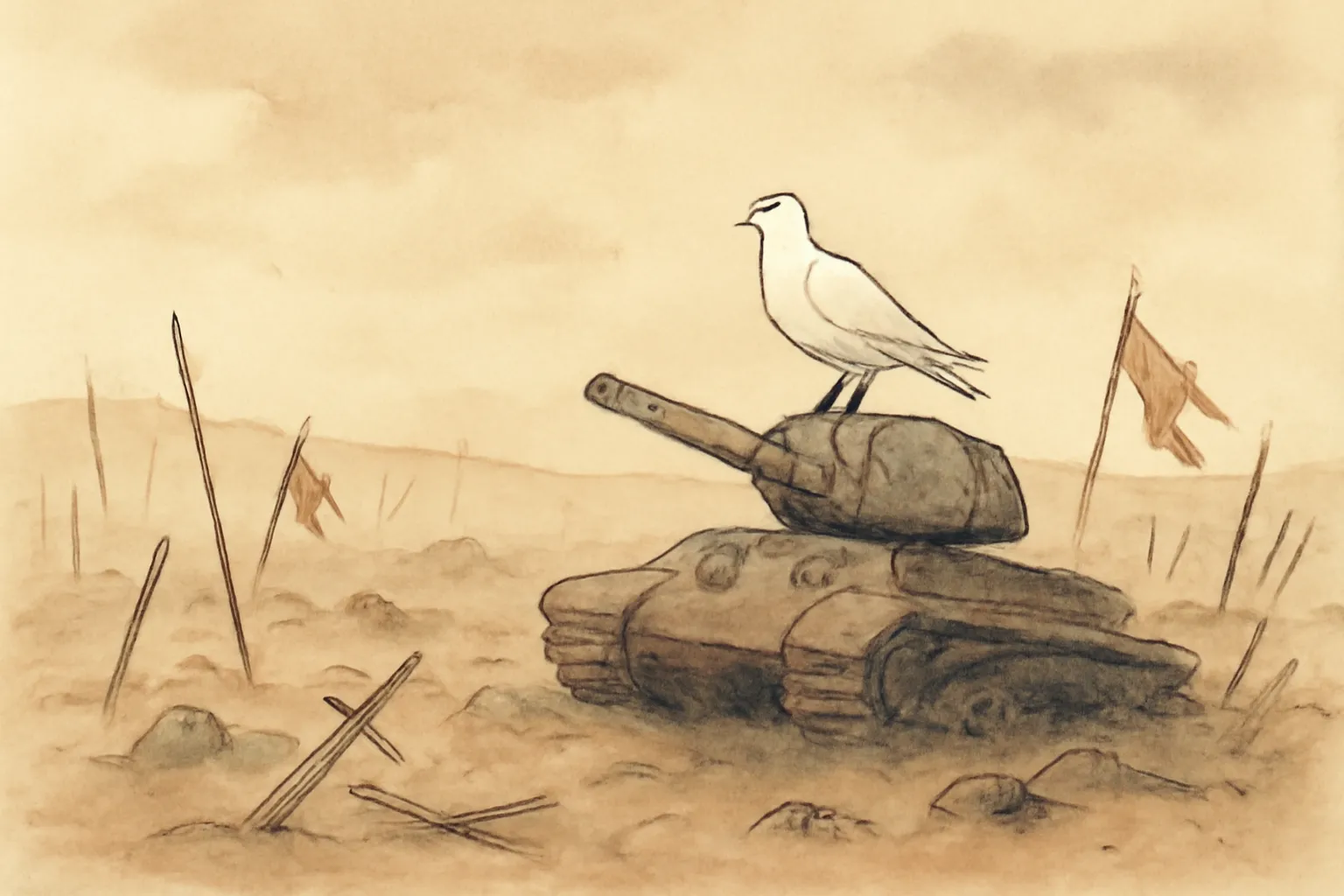
Rather than depicting World War I with historical realism, Faulkner uses the war as a symbolic backdrop. The conflict becomes a stage for exploring universal themes of violence, obedience, and the cyclical nature of human conflict. The novel’s central mutiny echoes the story of Christ, inviting readers to consider the possibility of spiritual renewal in a world addicted to destruction.
2.The Christ Figure and Sacrifice
At the heart of the novel is the unnamed corporal, a Christ-like figure who leads his regiment in a nonviolent rebellion by refusing to fight. His actions and ultimate fate mirror the Passion narrative, raising questions about the efficacy and cost of self-sacrifice. Faulkner asks whether true change can be achieved through martyrdom, or whether such sacrifices are inevitably co-opted by the systems they seek to transform.
3.Authority and Rebellion
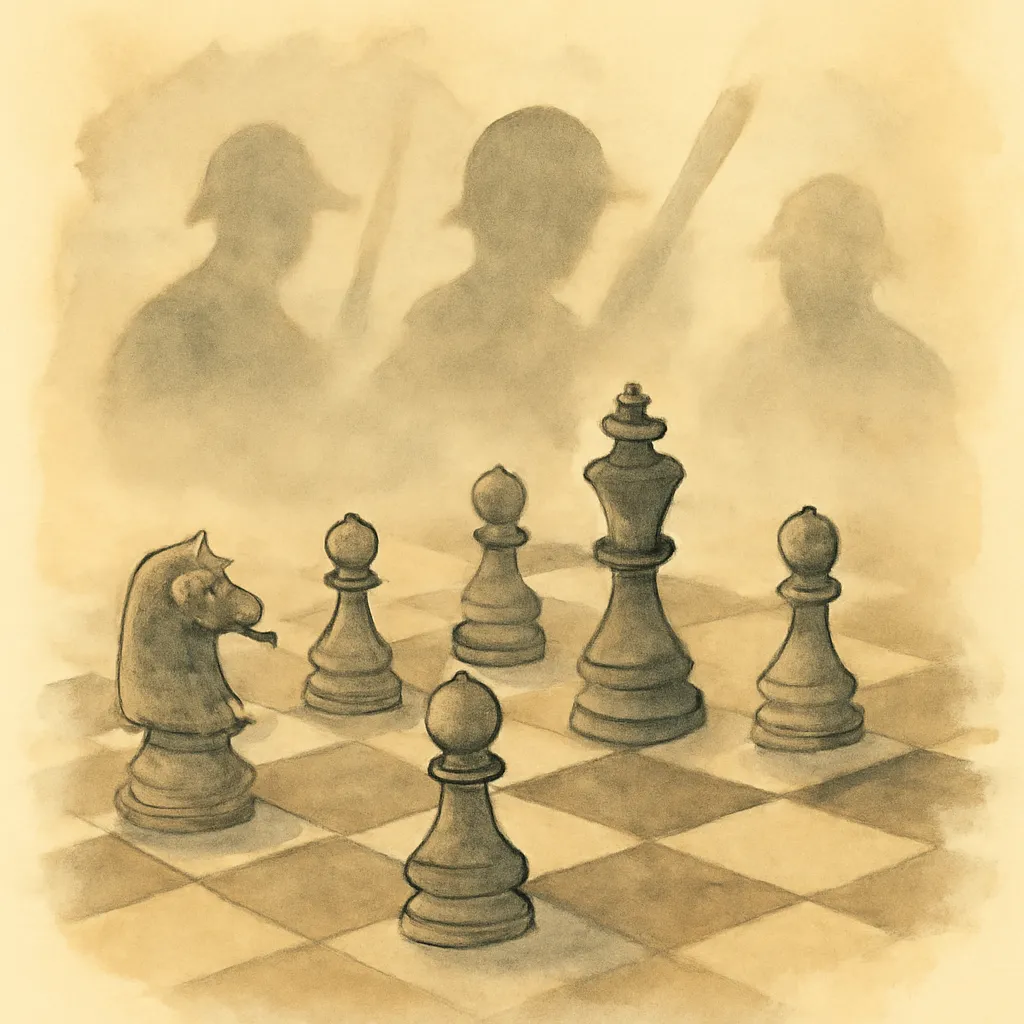
Faulkner examines the nature of authority, both military and spiritual, and how individuals respond to it. The general, representing institutional power, is pitted against the corporal’s moral authority. The novel interrogates what it means to resist unjust commands, and whether rebellion is ever truly possible within rigid hierarchies.
4.Cycles of History and Futility
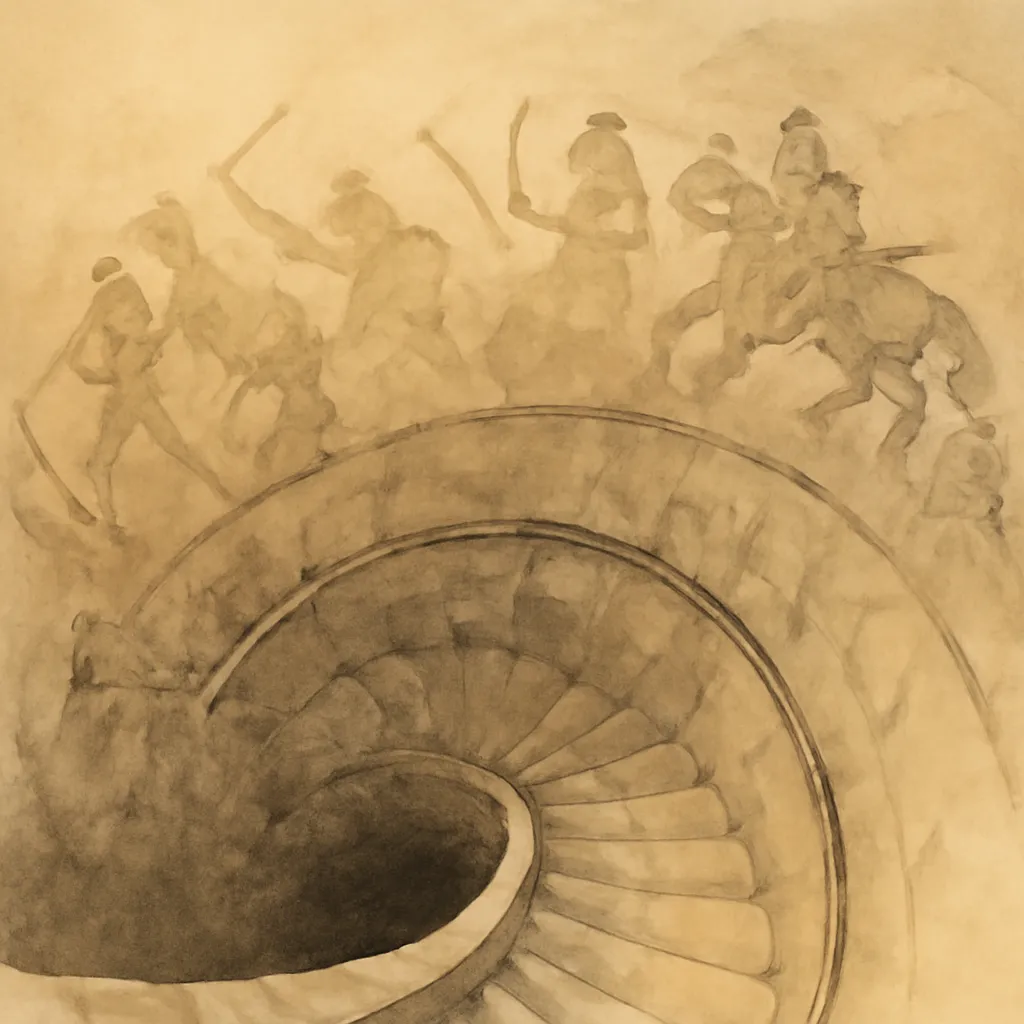
The narrative structure and repeated imagery underscore Faulkner’s view of history as cyclical. The mutiny, though momentous, is ultimately absorbed by the machinery of war, suggesting that humanity is trapped in patterns of violence and betrayal. This pessimism is tempered by moments of hope, as the possibility of redemption persists even amid failure.
5.The Limits of Language and Storytelling
Faulkner’s dense, sometimes opaque prose reflects his skepticism about the ability of language to capture the full truth of human experience. The novel’s shifting perspectives and allegorical style challenge readers to question not just what the story means, but whether any story can truly convey the enormity of its themes.
6.Individual vs. Collective Responsibility
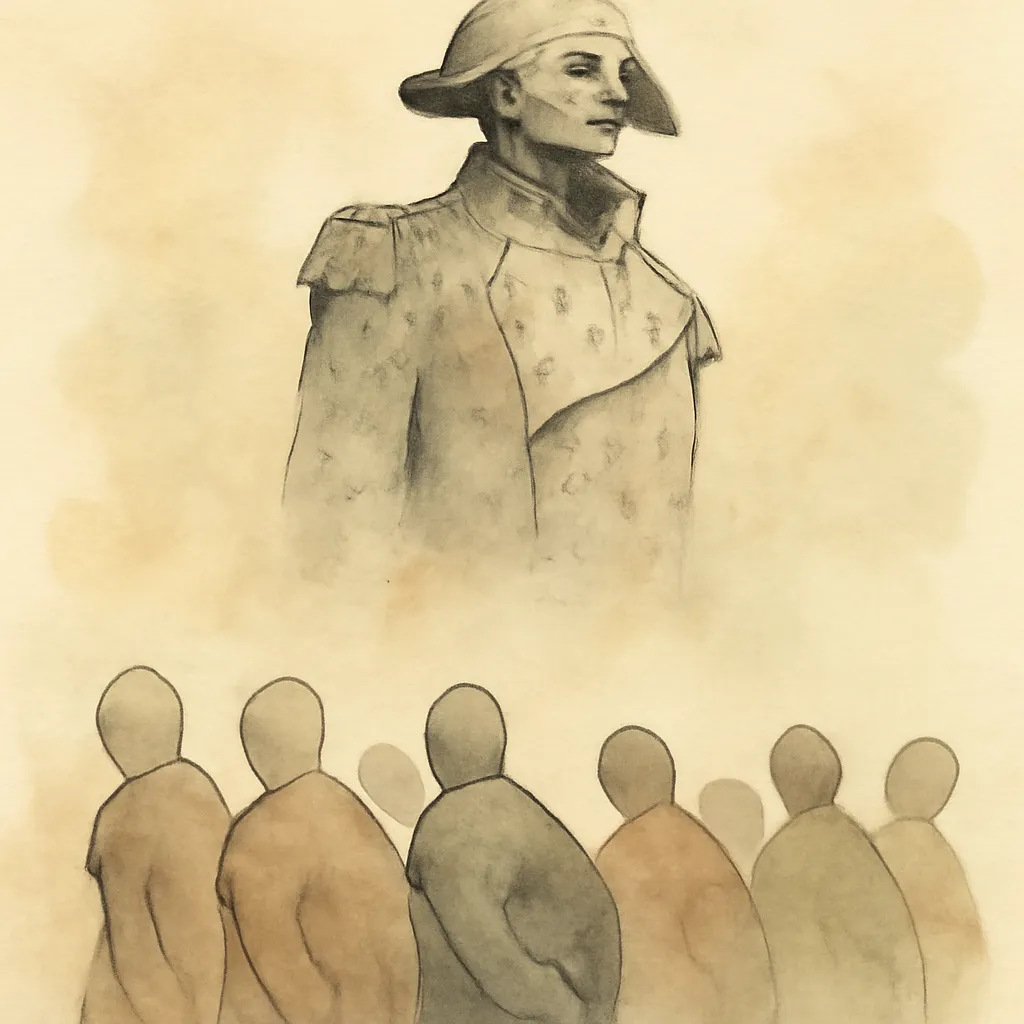
The novel probes the tension between individual conscience and collective action. The corporal’s solitary stand is contrasted with the passivity or complicity of the masses. Faulkner asks whether meaningful change depends on solitary figures or requires the awakening of the collective will.