

Women · Crimes against · Fiction
2666 by Roberto Bolaño — Summary, Key Ideas & Quotes
20041032 pages✦ 3-min Big ideas★ 4.3 (6)
Rate it
A cuatro profesores de literatura, Jean-Claude Pelletier, Piero Morini, Manuel Espinoza y Liz Norton, los une su fascinación por la obra de Beno von Archimboldi, un enigmático escritor alemán cuyo prestigio crece en todo el mundo. Su complicidad adquiere trazas de vodevil intelectual y cosmopolita –con ménage à trois incluido–, y desemboca en un disparatado peregrinaje a Santa Teresa (trasunto de Ciudad Juárez), donde hay quien dice que Archimboldi ha sido visto. *2666,* novela póstuma del escritor chileno Roberto Bolaño, publicada en el año 2004, consta de cinco partes que el autor, por razones económicas, planeó publicar como cinco libros independientes para asegurar así, en caso de fallecimiento, el futuro de sus hijos. No obstante, tras su muerte, los herederos ponderaron el valor literario y decidieron editarla como una única novela. Asombroso alarde de audacia y de poderío narrativo, *2666* se propone como una nueva y revolucionaria modalidad de novela total.
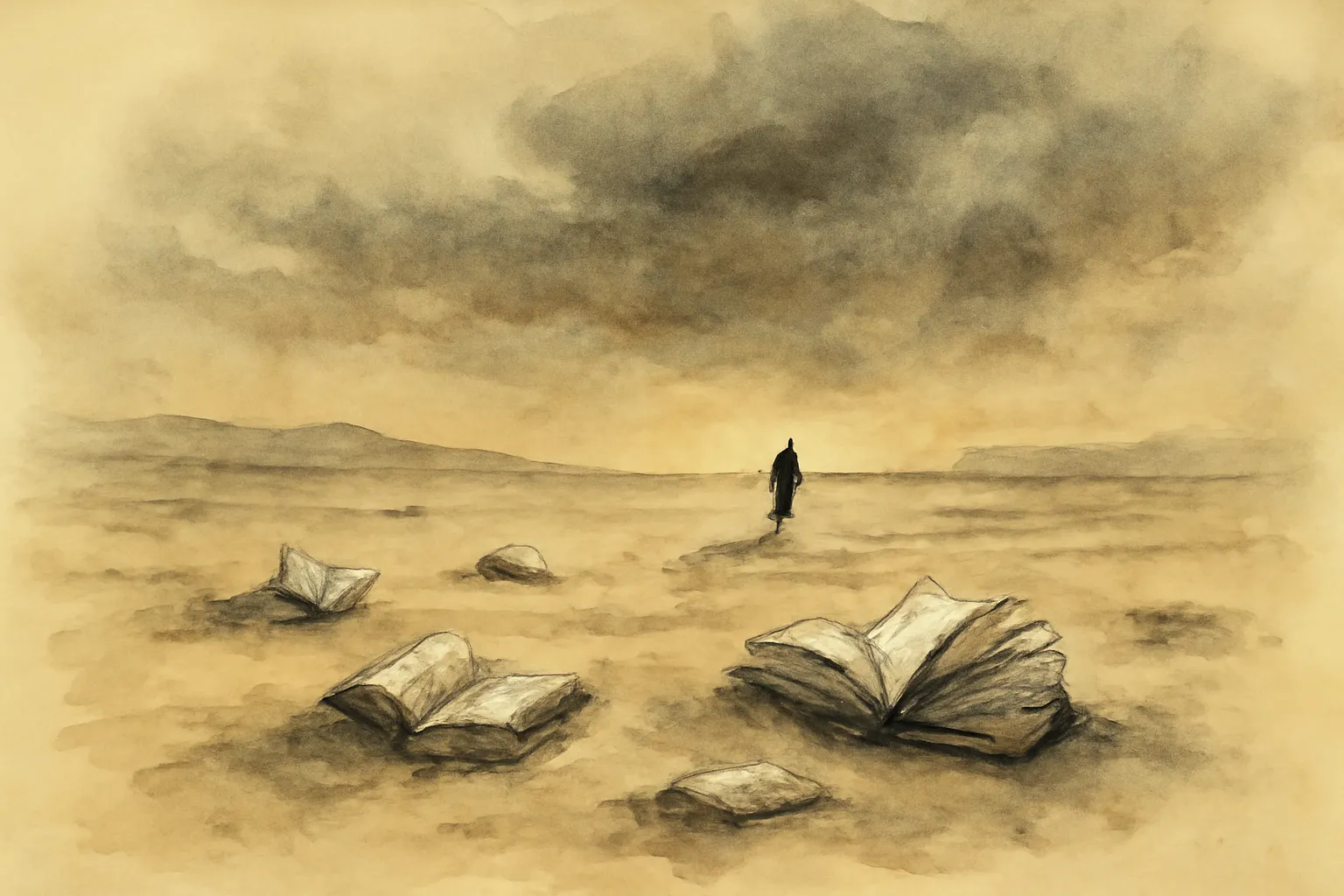
At the heart of 2666 is the quest—by academics, detectives, and ordinary people—for understanding in a world that resists explanation. The characters’ pursuit of the mysterious writer Archimboldi mirrors a broader human longing to find order in chaos. Yet, Bolaño continually frustrates these searches, suggesting that some mysteries—like the violence in Santa Teresa or the nature of evil—remain fundamentally unsolvable. The novel’s structure, with its digressions and unresolved threads, embodies this theme, challenging readers to accept ambiguity.
The fictional city of Santa Teresa (based on Ciudad Juárez) is the epicenter of the novel’s most harrowing section: a relentless chronicle of unsolved murders of women. Bolaño doesn’t sensationalize the violence; instead, he methodically documents it, implicating society, institutions, and the reader in the process. This violence is not isolated—it echoes through Europe’s wars, personal traumas, and literary obsessions, suggesting that brutality is woven into the fabric of modern existence.
“Nothing in the world is harder than speaking the truth, nothing easier than flattery.”
“People see what they want to see and what people want to see never has anything to do with the truth.”
“The secret of human existence is not only to live but to have something to live for.”
