1.The Search for Meaning Amid Chaos
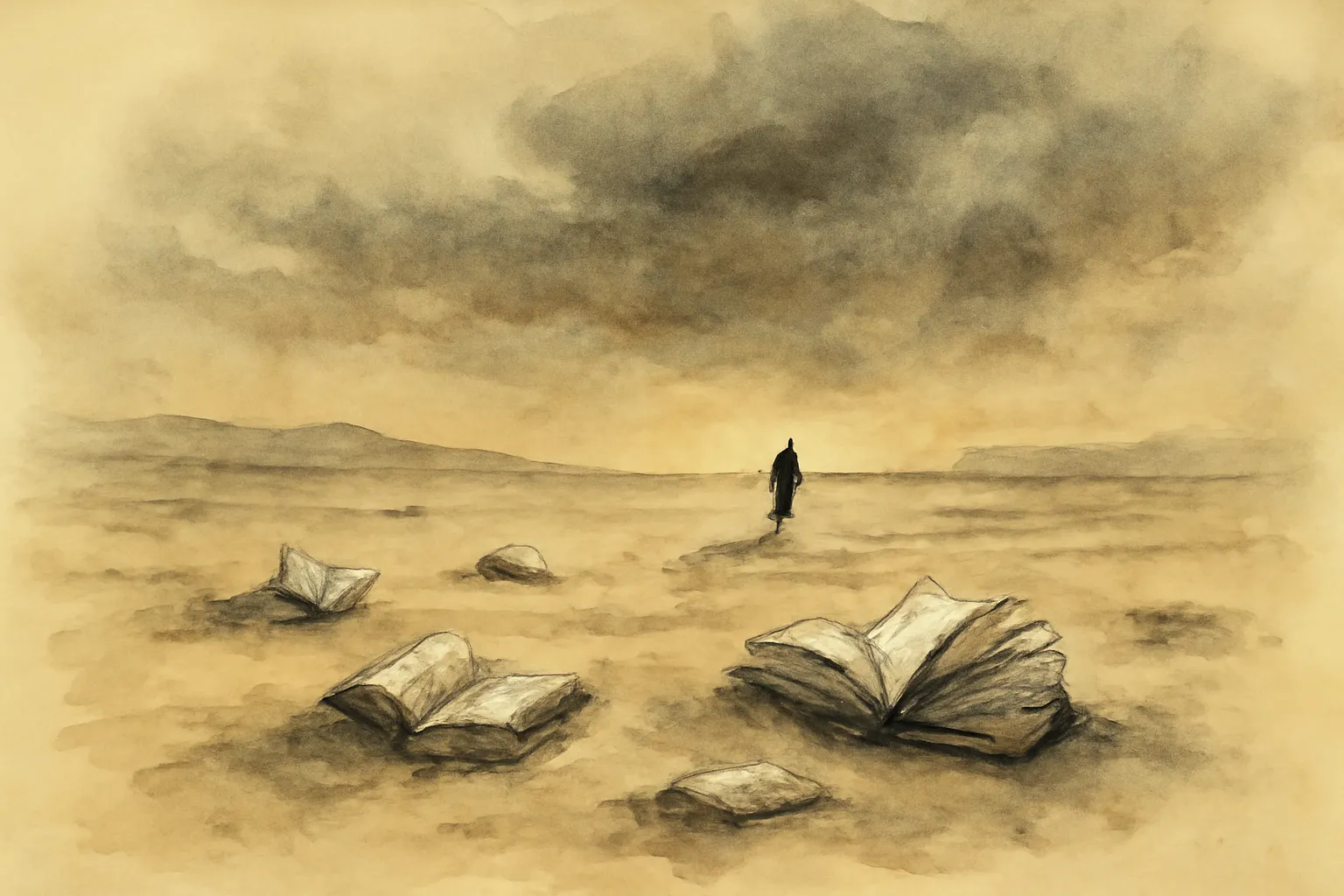
At the heart of 2666 is the quest—by academics, detectives, and ordinary people—for understanding in a world that resists explanation. The characters’ pursuit of the mysterious writer Archimboldi mirrors a broader human longing to find order in chaos. Yet, Bolaño continually frustrates these searches, suggesting that some mysteries—like the violence in Santa Teresa or the nature of evil—remain fundamentally unsolvable. The novel’s structure, with its digressions and unresolved threads, embodies this theme, challenging readers to accept ambiguity.
2.Violence as a Global and Local Phenomenon
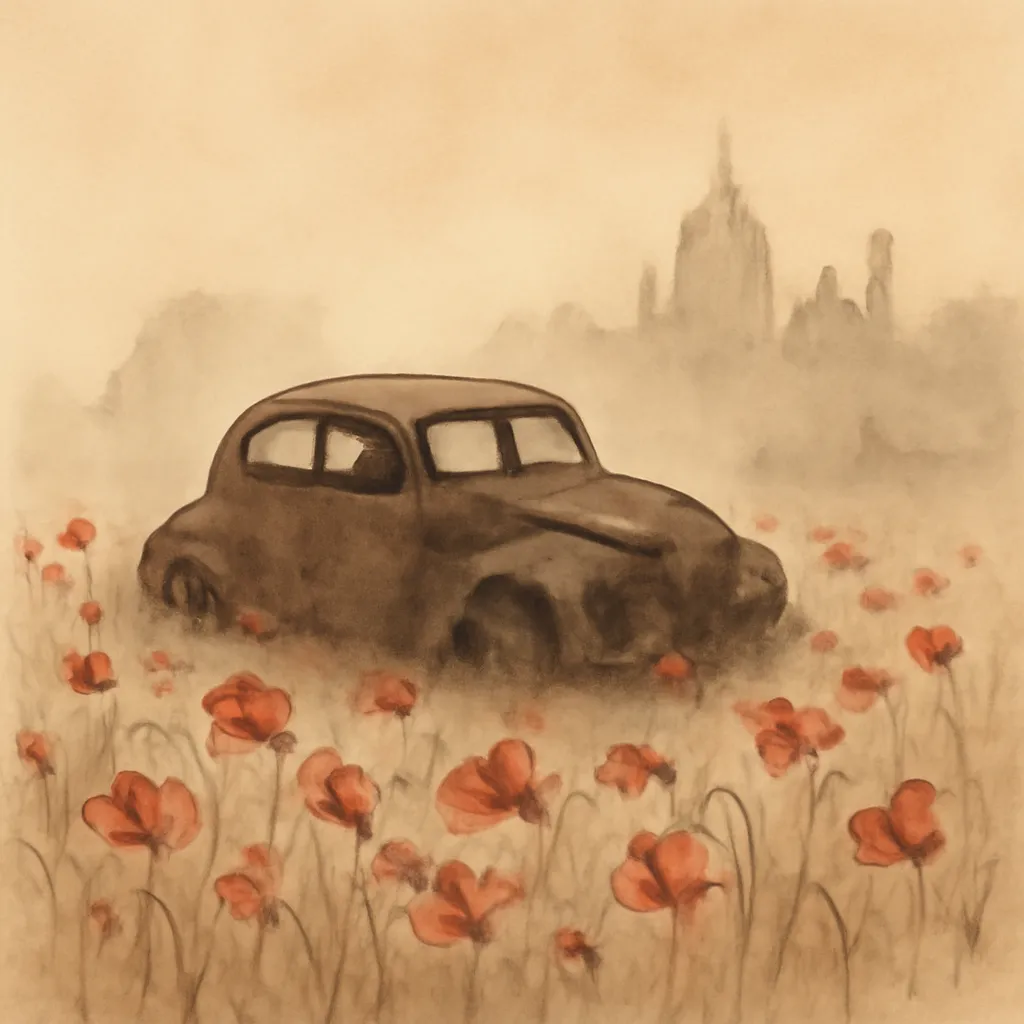
The fictional city of Santa Teresa (based on Ciudad Juárez) is the epicenter of the novel’s most harrowing section: a relentless chronicle of unsolved murders of women. Bolaño doesn’t sensationalize the violence; instead, he methodically documents it, implicating society, institutions, and the reader in the process. This violence is not isolated—it echoes through Europe’s wars, personal traumas, and literary obsessions, suggesting that brutality is woven into the fabric of modern existence.
3.The Limits and Power of Literature
2666 is deeply concerned with literature’s capacity to illuminate or obscure truth. The academics’ pursuit of Archimboldi becomes an allegory for the ways in which art both reveals and conceals reality. Bolaño questions whether literature can confront horror or if it inevitably falls short. Yet, the novel itself, with its ambition and scope, stands as a testament to the enduring power of storytelling, even in the face of atrocity.
4.Fragmentation and Multiplicity
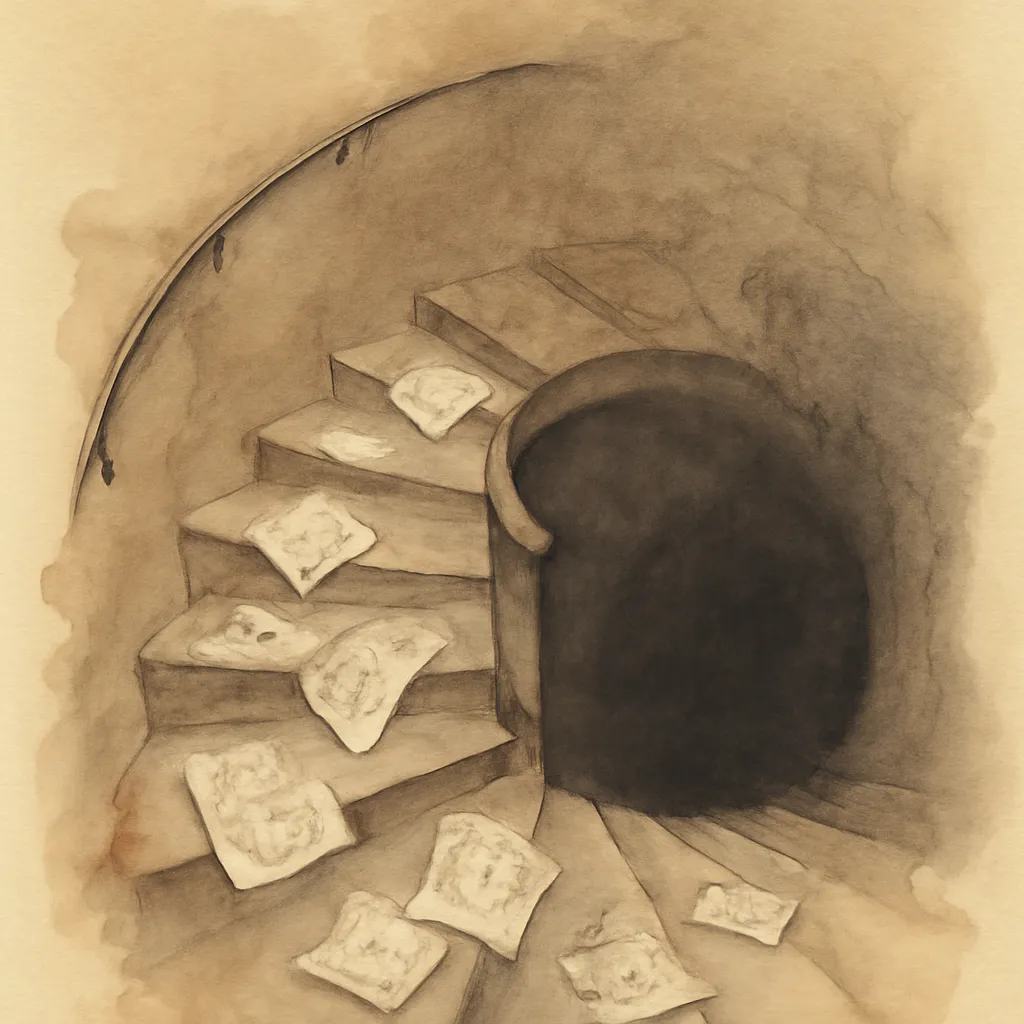
The novel is divided into five distinct parts, each with its own style, focus, and cast of characters. This fragmentation reflects the fractured nature of modern life and knowledge. Bolaño’s narrative jumps across time periods, geographies, and perspectives, resisting easy synthesis. The effect is a sense of multiplicity—of stories within stories, histories within histories—inviting readers to piece together meaning from the fragments.
5.Obsession and the Unattainable
Obsession drives many of 2666’s characters, from the scholars fixated on Archimboldi to detectives haunted by unsolved crimes. These obsessions are rarely satisfied; instead, they lead to further questions, dead ends, or personal ruin. Bolaño suggests that the pursuit of the unattainable—whether knowledge, justice, or love—is both a defining human trait and a source of suffering.
6.History’s Shadow
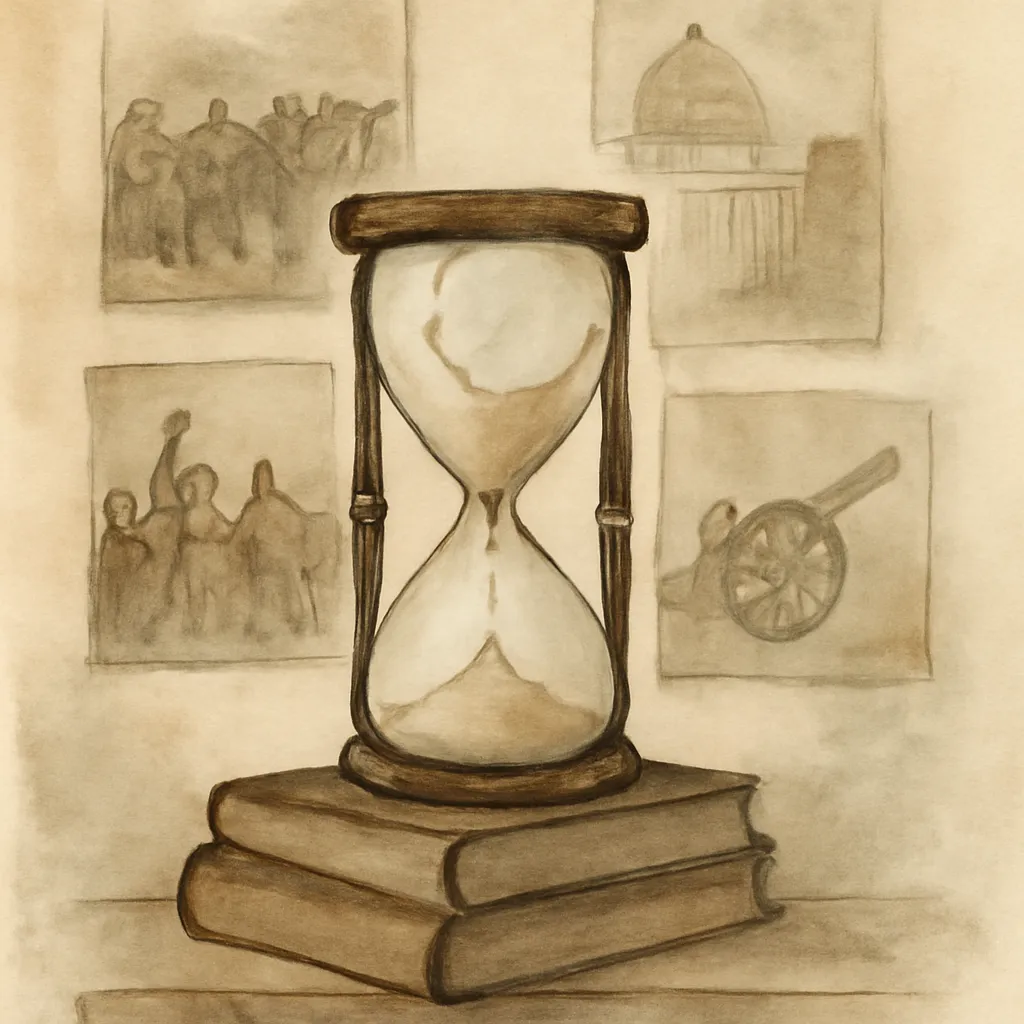
Bolaño’s narrative is haunted by the specter of 20th-century violence: fascism, war, and genocide. Through Archimboldi’s biography and the echoes of European history, the novel links personal and collective trauma. The past is never truly past; it shapes the present in visible and invisible ways, complicating any attempt at resolution or redemption.