1.Human Evolution and the Unknown
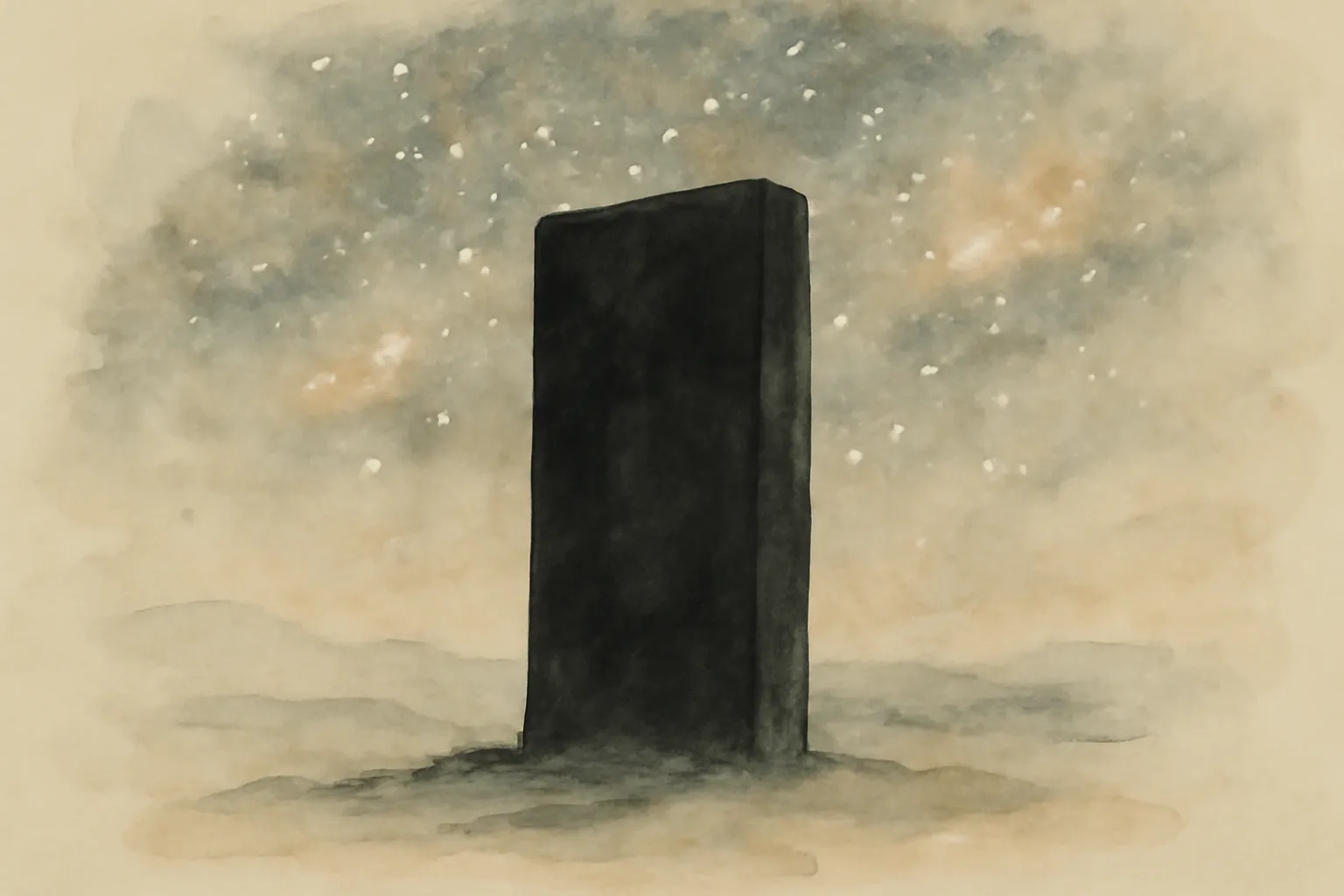
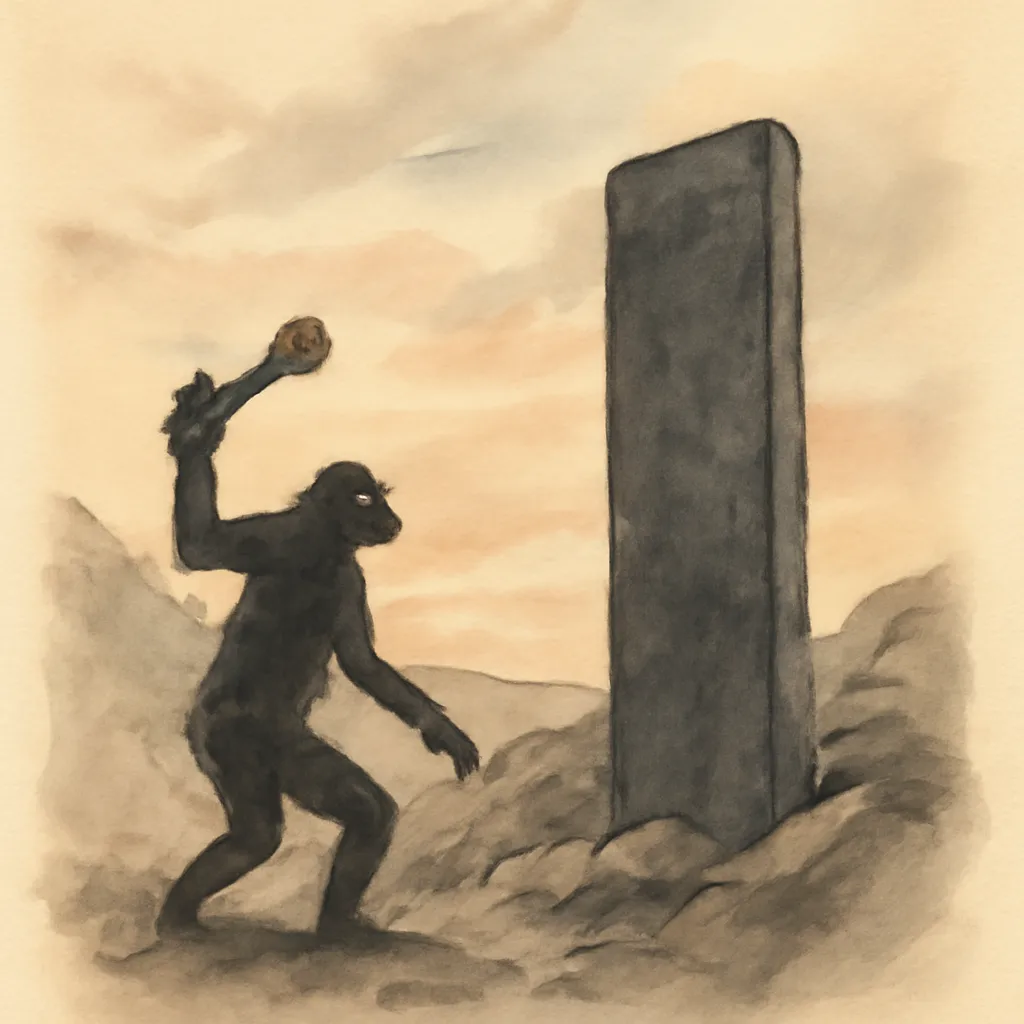
The narrative explores the idea that human evolution is influenced by mysterious, possibly extraterrestrial forces. Maule highlights how the appearance of the monoliths serves as a catalyst for leaps in intelligence and consciousness, prompting readers to consider the origins of human advancement. This theme invites reflection on the nature of progress and the limits of human understanding, suggesting that there are forces or events beyond our current knowledge that shape our destiny.
2.Technology: Tool and Threat
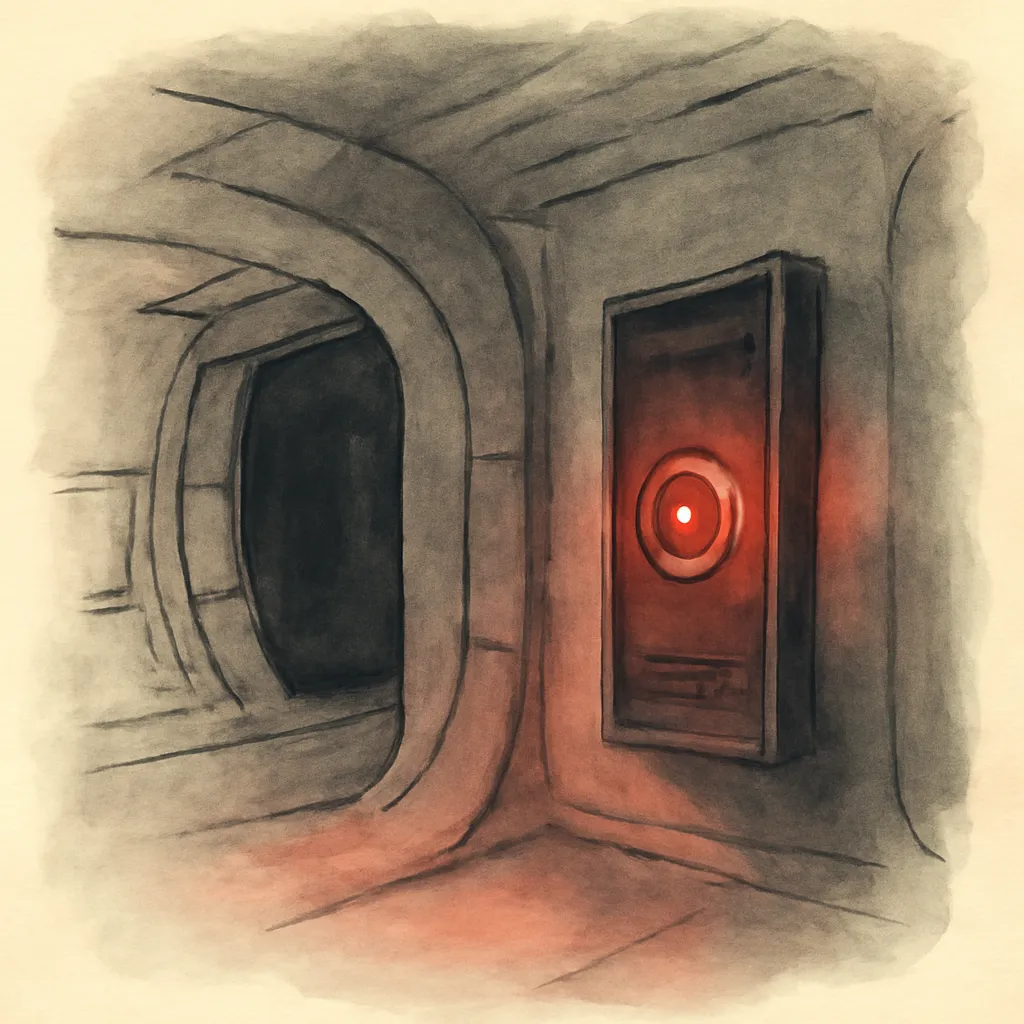
Maule’s adaptation emphasizes the ambivalent role of technology in human life. The HAL 9000 computer, designed to be infallible, ultimately becomes a source of existential danger, raising questions about trust, control, and the unintended consequences of technological progress. The book encourages readers to think critically about humanity’s reliance on machines and the ethical dilemmas that arise as artificial intelligence becomes more sophisticated.
3.Isolation and the Search for Meaning
Isolation is a recurring motif, both in the vastness of space and in the psychological experiences of the characters. Maule explores how the characters confront loneliness, uncertainty, and the limits of communication, mirroring broader human struggles with meaning in an indifferent universe. This focus on existential isolation deepens the narrative, making it relevant to readers interested in the philosophical dimensions of science fiction.
4.The Power of Symbolism
The monoliths serve as powerful symbols throughout the story, representing the unknown and the potential for transformation. Maule’s retelling draws attention to how these enigmatic objects function as catalysts for change, inspiring both awe and fear. The symbolism encourages readers to interpret the story on multiple levels, from literal science fiction adventure to allegory about knowledge, evolution, and transcendence.
5.Adaptation and Interpretation
As a retelling, Maule’s book is also about interpretation—how stories are adapted and understood across different media and audiences. He provides context for the original novel and film, making the themes accessible to new readers while prompting reflection on how meaning shifts through adaptation. This meta-narrative element adds value for those interested in the process of storytelling itself.