

Money · Debt · Financial crises
Debt: The First 5,000 Years by David Graeber — Summary, Key Ideas & Quotes
2011543 pages✦ 3-min Big ideas★ 4.6 (45)
Rate it
The author shows that before there was money, there was debt. For 5,000 years humans have lived in societies divided into debtors and creditors. For 5,000 years debt and debt forgiveness have been at the center of political debates, laws and religions. The words “guilt,” “sin,” and “redemption” come from ancient debates about debt. These terms and the ideas of debt shape our most basic ideas of right and wrong. [source][1]
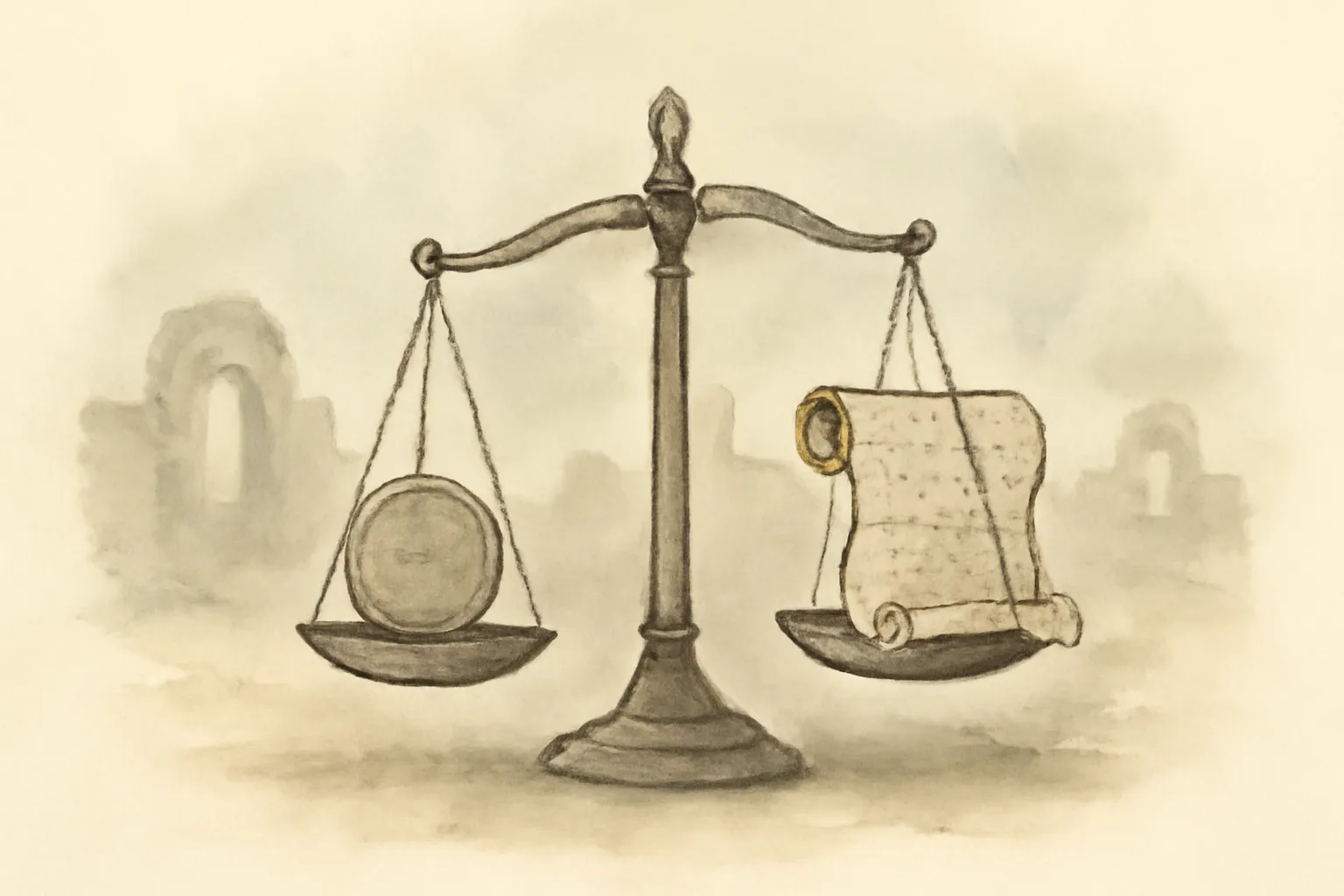
Graeber argues that debt, not barter or money, is the original basis of economic exchange. Contrary to standard economics textbooks, he shows that early societies operated on systems of credit and obligation long before coins or cash existed. These debts were often informal, embedded in social relationships, and only later became quantified and enforced through money. This challenges the myth that markets and money naturally evolved from barter, suggesting instead that debt is a social and moral phenomenon at the heart of human interaction.
The language and concepts of debt are deeply embedded in moral and religious traditions. Graeber traces how terms like 'guilt,' 'sin,' and 'redemption' have roots in ancient debates about owing and forgiveness. He shows that societies have long struggled with the moral implications of debt, often equating paying one’s debts with virtue and defaulting with shame or sin. This connection helps explain why debt has such emotional and ethical weight in modern life, influencing everything from personal relationships to national politics.
“There’s no better way to justify relations founded on violence, to make such relations seem moral, than by reframing them in the language of debt.”
“If history shows anything, it is that there’s no better way to justify unequal power than by reframing it as debt.”