1.Debt Precedes Money
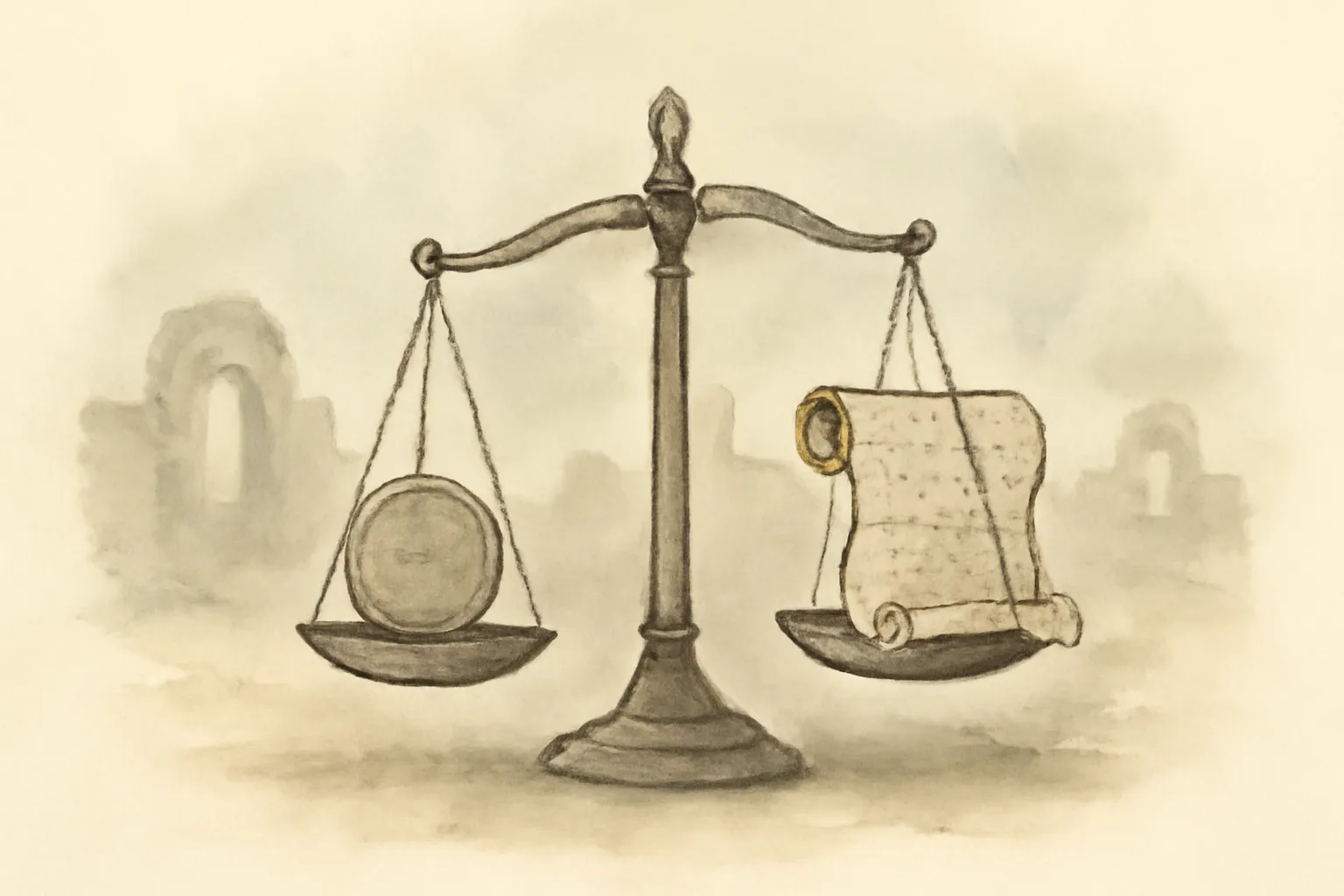
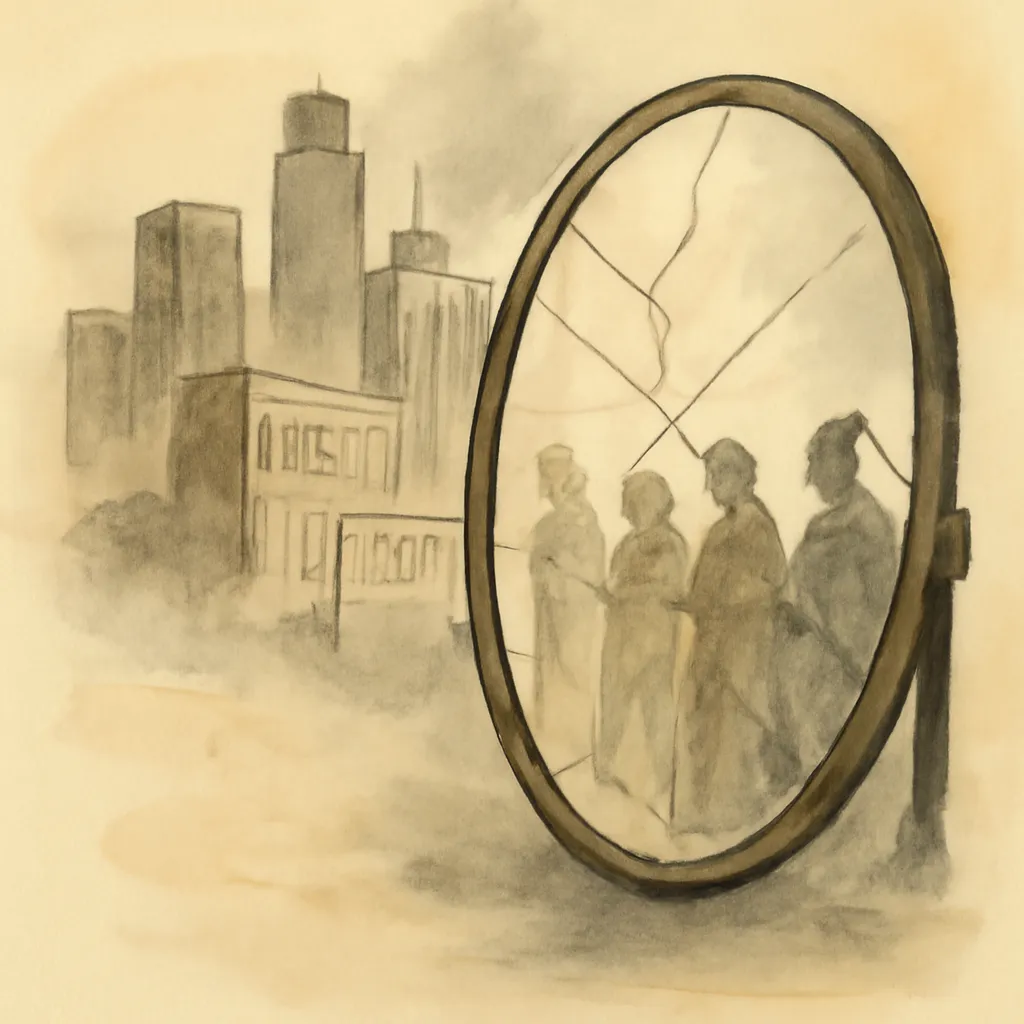
Graeber argues that debt, not barter or money, is the original basis of economic exchange. Contrary to standard economics textbooks, he shows that early societies operated on systems of credit and obligation long before coins or cash existed. These debts were often informal, embedded in social relationships, and only later became quantified and enforced through money. This challenges the myth that markets and money naturally evolved from barter, suggesting instead that debt is a social and moral phenomenon at the heart of human interaction.
2.Debt and Morality Are Intertwined
The language and concepts of debt are deeply embedded in moral and religious traditions. Graeber traces how terms like 'guilt,' 'sin,' and 'redemption' have roots in ancient debates about owing and forgiveness. He shows that societies have long struggled with the moral implications of debt, often equating paying one’s debts with virtue and defaulting with shame or sin. This connection helps explain why debt has such emotional and ethical weight in modern life, influencing everything from personal relationships to national politics.
3.Cycles of Debt and Forgiveness
Throughout history, societies have oscillated between periods of debt accumulation and debt forgiveness. Graeber highlights how ancient rulers would periodically declare 'jubilees,' wiping out debts to prevent social collapse. He argues that these cycles are not just economic but political, reflecting struggles between creditors and debtors. The book suggests that debt crises are recurring features of civilization, and that calls for forgiveness are as old as debt itself.
4.Violence and Power in Debt Relations
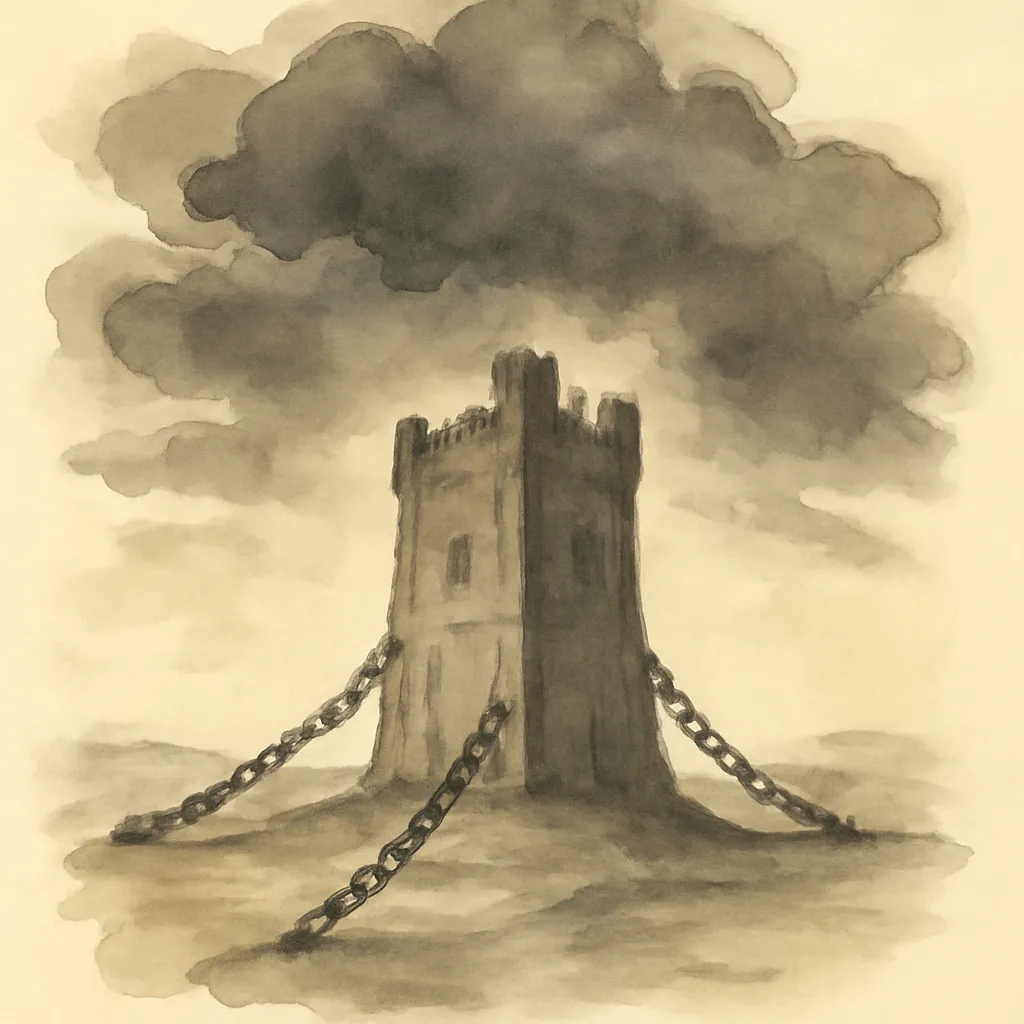
Debt is not just a neutral economic tool; it has often been enforced through violence and coercion. Graeber details how debt has justified slavery, conquest, and the subjugation of entire populations. The power imbalance between creditors and debtors can lead to exploitation and systemic inequality, making debt a key instrument of social control. This perspective reframes debt as a political weapon, not just a financial obligation.
5.The Myth of the Free Market
Graeber challenges the idea that markets are natural, self-regulating systems. He shows that markets have historically been shaped by states and violence, often emerging alongside armies and empires. The creation and enforcement of debts have always depended on political power, undermining the notion of a pure, voluntary marketplace. This critique invites readers to rethink the foundations of capitalism and the role of the state in economic life.
6.Rethinking Modern Debt
The book draws connections from ancient debt systems to today’s global financial order. Graeber contends that modern debt—whether student loans, mortgages, or national debts—carries the same moral and political baggage as in the past. He questions why debts to banks or governments are considered sacred, while debts to people or communities are often ignored. This analysis encourages readers to imagine alternative systems that prioritize human needs over strict repayment.