Fiction
Despair's Last Journey by David Christie Murray — Summary, Key Ideas & Full Text
498 pages30 chapters10h read7h 6m speed read✦ 9-min Big ideasFree · no account
Rate it
In 'Despair's Last Journey,' David Christie Murray intricately explores the human condition through the lens of love, ambition, and the haunting shadows of memory
David Christie Murray's 'Despair's Last Journey' is a rich exploration of the human spirit as it grapples with despair, longing, and the desire for connection. Centered on Paul Armstrong, a young man navigating the tumultuous landscapes of love and ambition, the narrative delves into the complexities of personal identity as shaped by memory and societal expectations. Murray's vivid characters and evocative settings create a poignant tapestry that invites readers to reflect on their own struggles and aspirations. This profound journey reminds us that while despair may accompany our dreams, the pursuit of love and meaning is a universal endeavor. As the story unfolds, readers discover the intricate interplay between memory, ambition, and the human desire for connection, making it a resonant reflection on the nature of existence.
Ultimately, 'Despair's Last Journey' serves as a profound exploration of the human condition, capturing the essence of struggle, love, and the relentless pursuit of meaning. Through Paul Armstrong’s journey, readers are invited to reflect on their own lives and the choices that define them. Murray’s masterful storytelling illuminates the complexities of relationships, the weight of memory, and the societal pressures that shape our identities. This narrative serves as a poignant reminder of the resilience of the human spirit, encouraging us to confront our despair while seeking connection and understanding in a world that often feels overwhelming. In navigating the labyrinth of life, 'Despair's Last Journey' resonates with anyone who has ever grappled with the intricacies of their path, ultimately offering insight into the universal quest for love, identity, and purpose.
“The shade in which he sat moved slowly eastward, and had almost deserted him, when his hand felt a sudden fierce pang of pain as if an insect had stung him.”
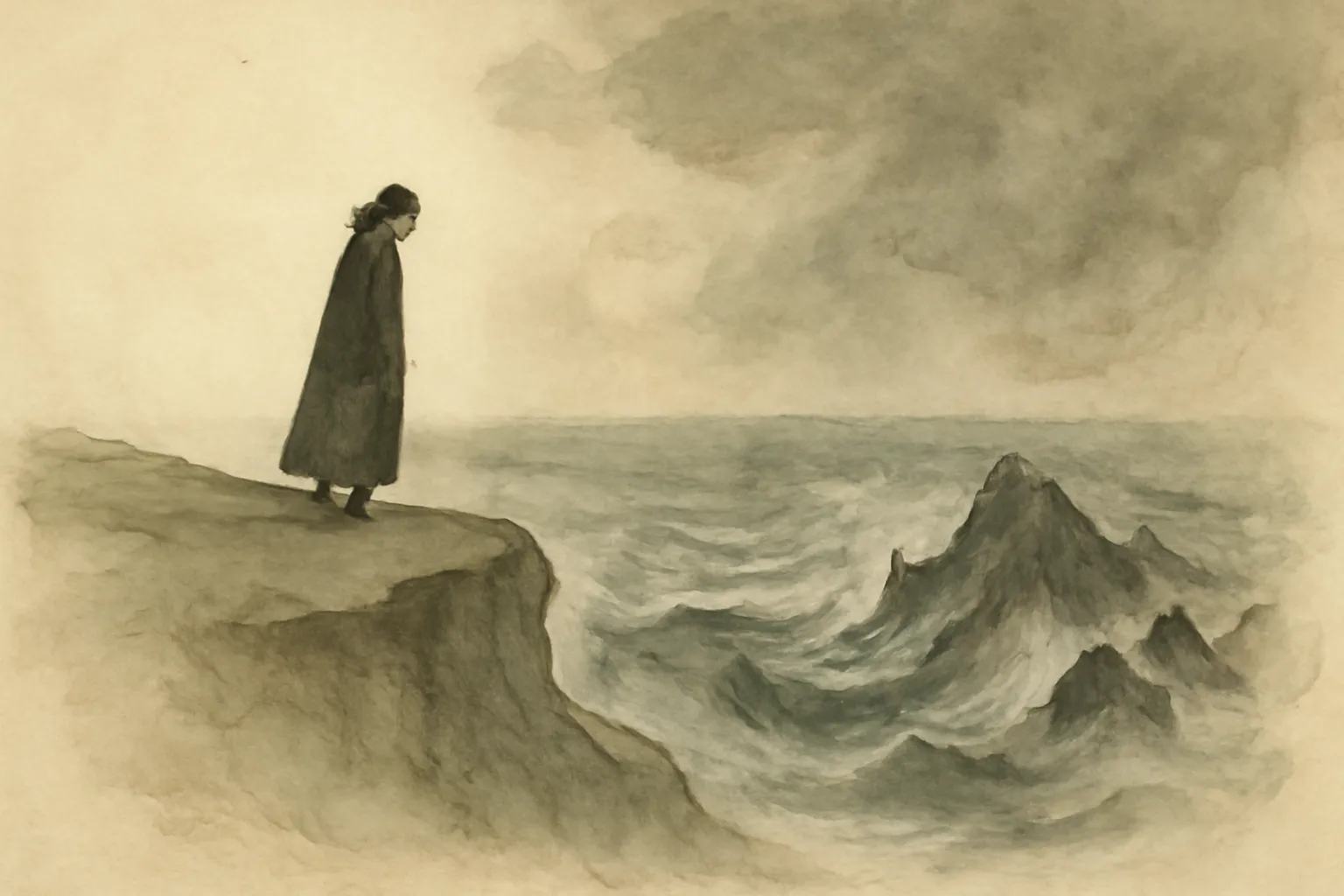
“The voice of the river spoke from the great gorge in accents of exultation and despair, and the voice was a part of the primeval silence, as it had been from the moment when the Solitary had first listened to it.”
“I invoke the unnumbered squads and battalions and armies of shame which are known, and always have been known, to every town and city which has ever dared to call itself civilized since history began.”
David Christie Murray has 3 works free to read on Lumina, including My Contemporaries In Fiction, Recollections: With Photogravure Portrait of the Author and a number of; Original Letters, of which one by George Meredith and; another by Robert Louis Stevenson are reproduced in; facsimile