abortion · euthanasia · animal shelters
Disgrace by J. M. Coetzee — Summary, Key Ideas & Quotes
1999252 pages✦ 3-min Big ideas★ 3.6 (26)
Rate it
At fifty-two, Professor David Lurie is divorced, filled with desire, but lacking in passion. An affair with one of his students leaves him jobless, shunned by his friends, and ridiculed by his ex-wife. He retreats to his daughter Lucy's isolated smallholding, where a brief visit becomes an extended stay as he tries to find meaning from the one remaining relationship. David attempts to relate to Lucy and to a society with new racial complexities are disrupted by an afternoon of violence that shakes all of his beliefs and threatens to destroy his daughter. In this wry, visceral, yet strangely tender novel, Coetzee once again tells "truths [that] cut to the bone" (The New York Times Book Review).
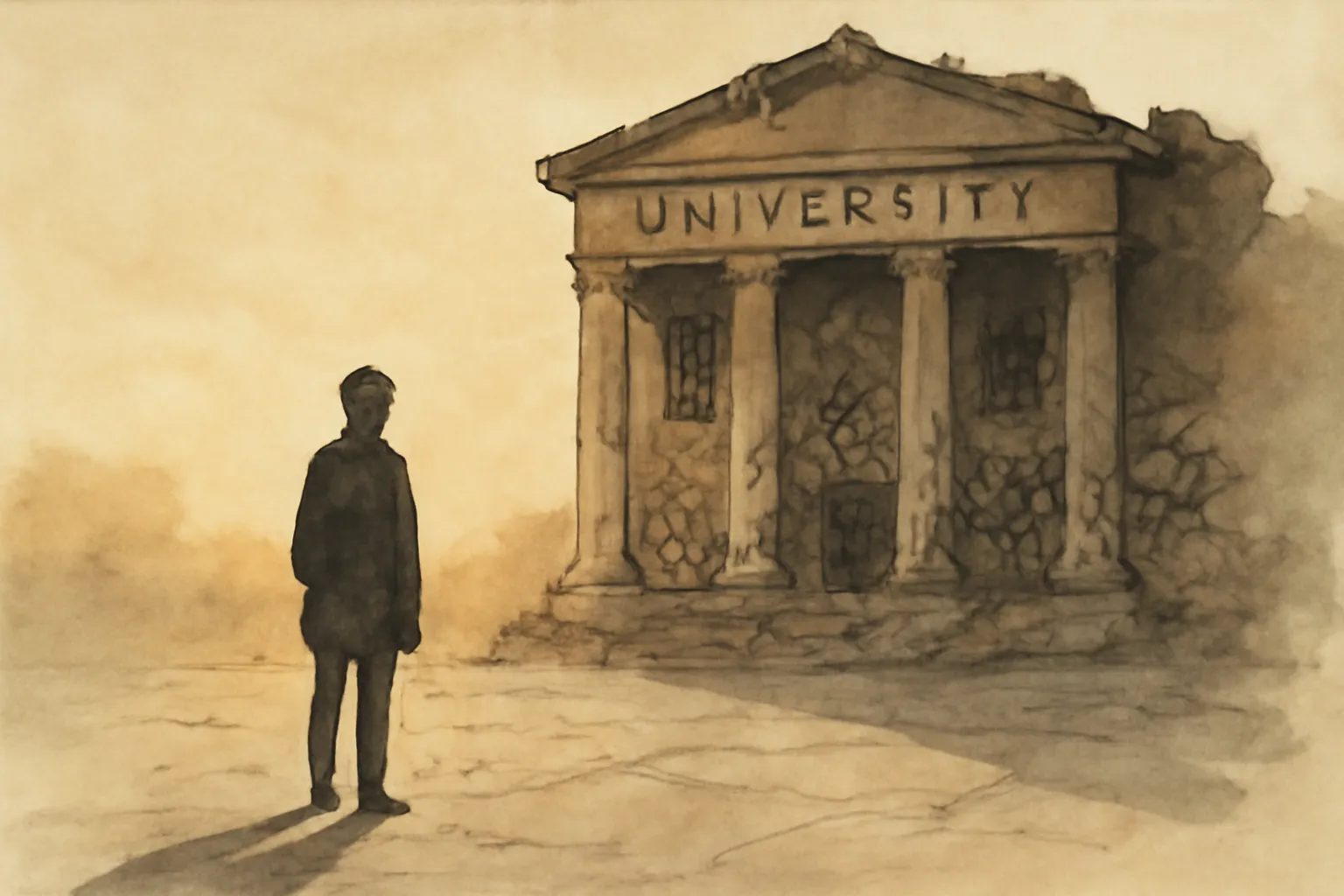
The novel refuses to offer clear moral judgments, instead immersing the reader in the complexities of personal and collective responsibility. David Lurie, the protagonist, is neither hero nor villain; his actions are often reprehensible, yet Coetzee compels us to confront the gray areas of human behavior. The book asks whether true accountability is possible, and what it means to seek forgiveness in a world where old certainties have collapsed.
Disgrace interrogates the dynamics of power, especially as they play out through gender and sexual relationships. Lurie’s affair with his student is not just a personal failing but a microcosm of broader abuses of authority. The violence Lucy endures later in the novel inverts these dynamics, forcing both father and daughter to grapple with vulnerability, autonomy, and the limits of justice in a fractured society.
“One gets used to things, gets used to being a dog.”
“It is not heroic, what she is doing. It is merely necessary.”