1.Moral Ambiguity and Responsibility
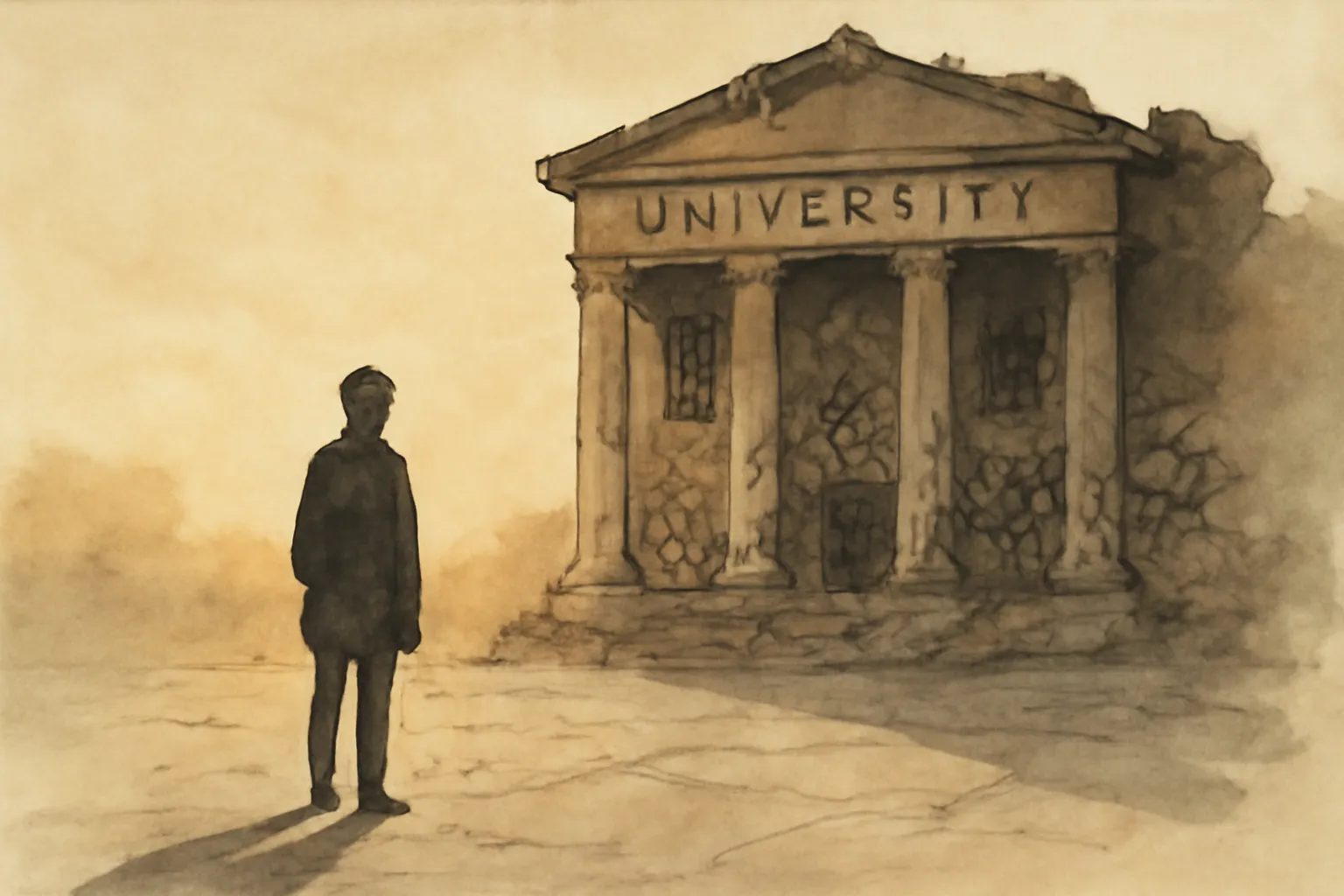
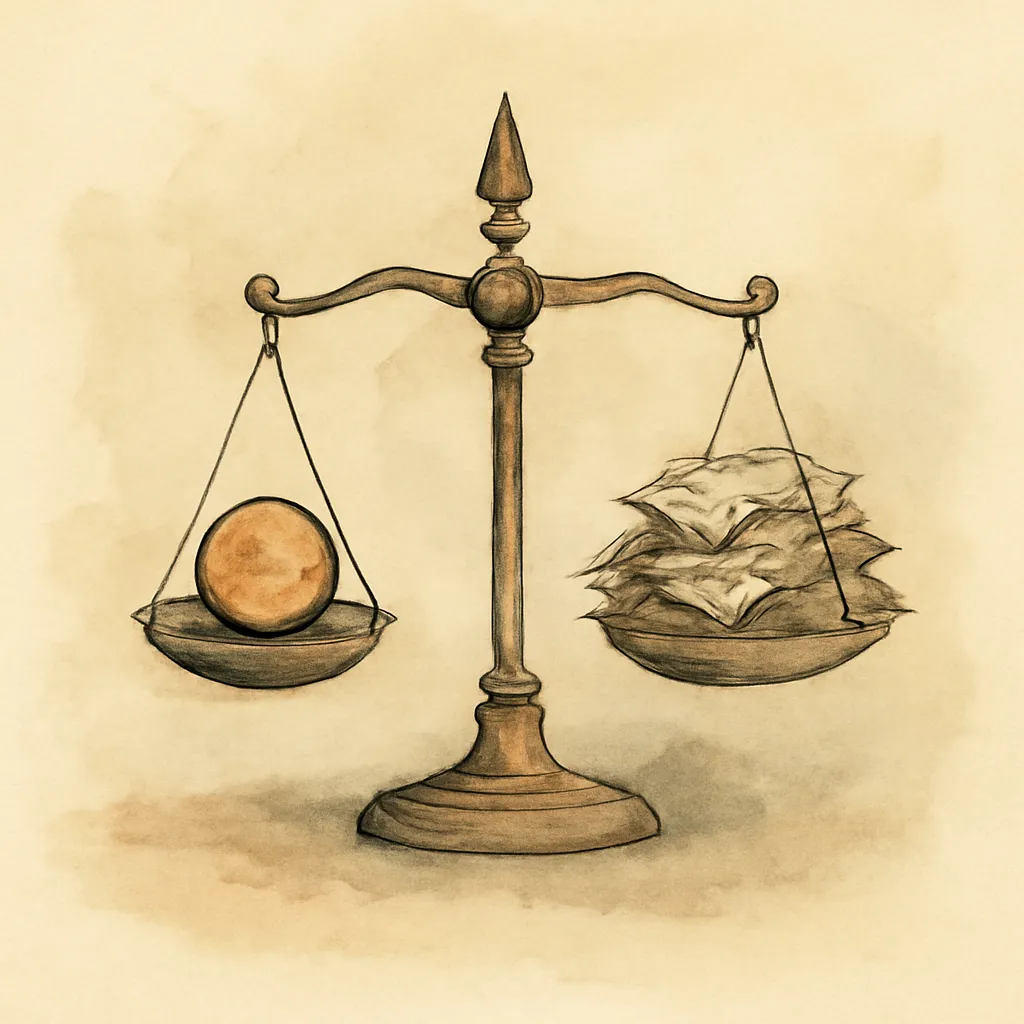
The novel refuses to offer clear moral judgments, instead immersing the reader in the complexities of personal and collective responsibility. David Lurie, the protagonist, is neither hero nor villain; his actions are often reprehensible, yet Coetzee compels us to confront the gray areas of human behavior. The book asks whether true accountability is possible, and what it means to seek forgiveness in a world where old certainties have collapsed.
2.Power, Gender, and Sexuality
Disgrace interrogates the dynamics of power, especially as they play out through gender and sexual relationships. Lurie’s affair with his student is not just a personal failing but a microcosm of broader abuses of authority. The violence Lucy endures later in the novel inverts these dynamics, forcing both father and daughter to grapple with vulnerability, autonomy, and the limits of justice in a fractured society.
3.Post-Apartheid South Africa
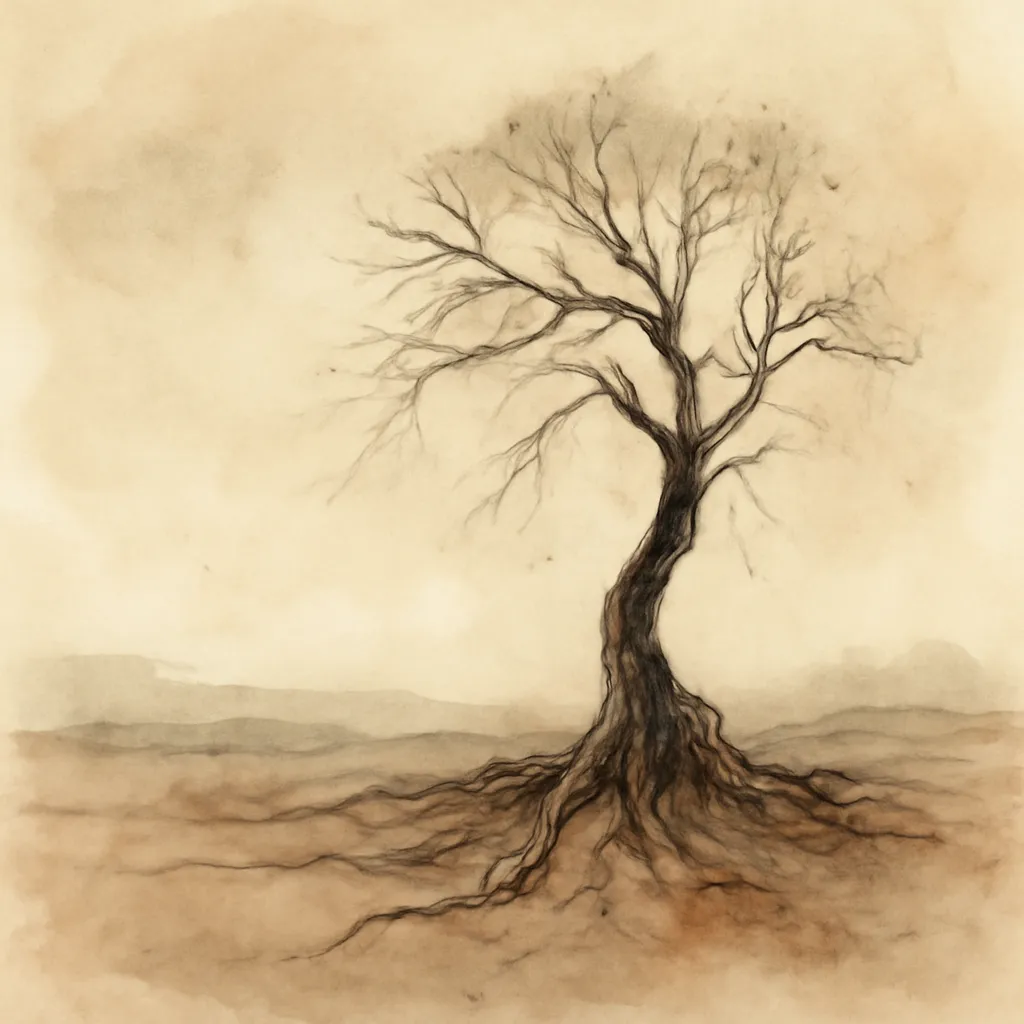
Set in the turbulent aftermath of apartheid, the novel uses its rural setting to reflect on the shifting landscape of race, land, and identity. Coetzee explores the anxieties and resentments that linger as South Africa attempts to redefine itself. The personal crises of the characters mirror the nation’s struggle to reconcile past injustices with the demands of a new order.
4.Disgrace and Redemption
The title itself is a meditation: disgrace is both a personal downfall and a societal condition. Lurie’s journey is one of humiliation and loss, but also of a slow, painful reckoning with himself and the world. The novel questions whether redemption is possible, and if so, what form it can take—suggesting that true grace may lie in humility and acceptance rather than triumph.
5.The Limits of Language and Art
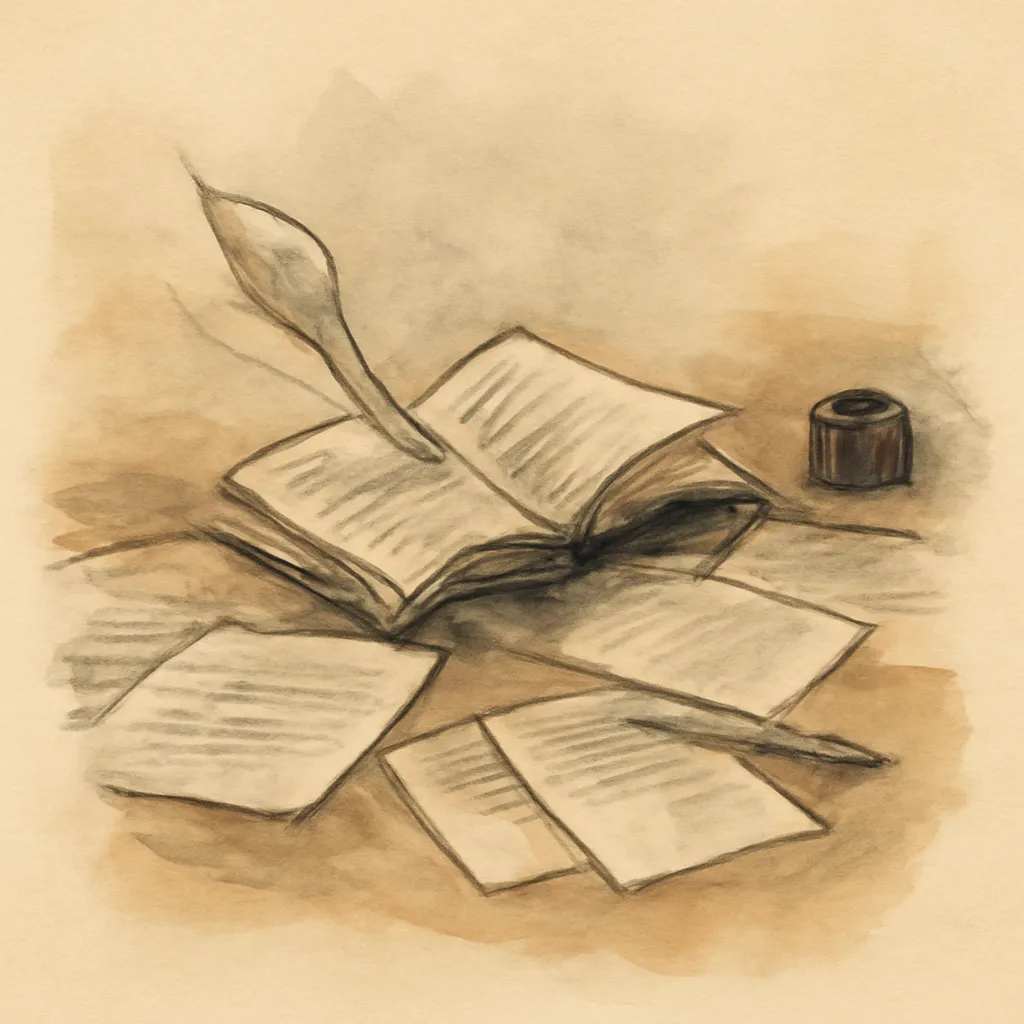
As a former professor of literature, Lurie’s faith in the civilizing power of art is tested throughout the novel. Coetzee probes the inadequacy of language and culture to heal wounds or prevent violence. Lurie’s attempts to write an opera about Byron become a metaphor for the struggle to find meaning and beauty amid chaos and suffering.
6.Human-Animal Relationships
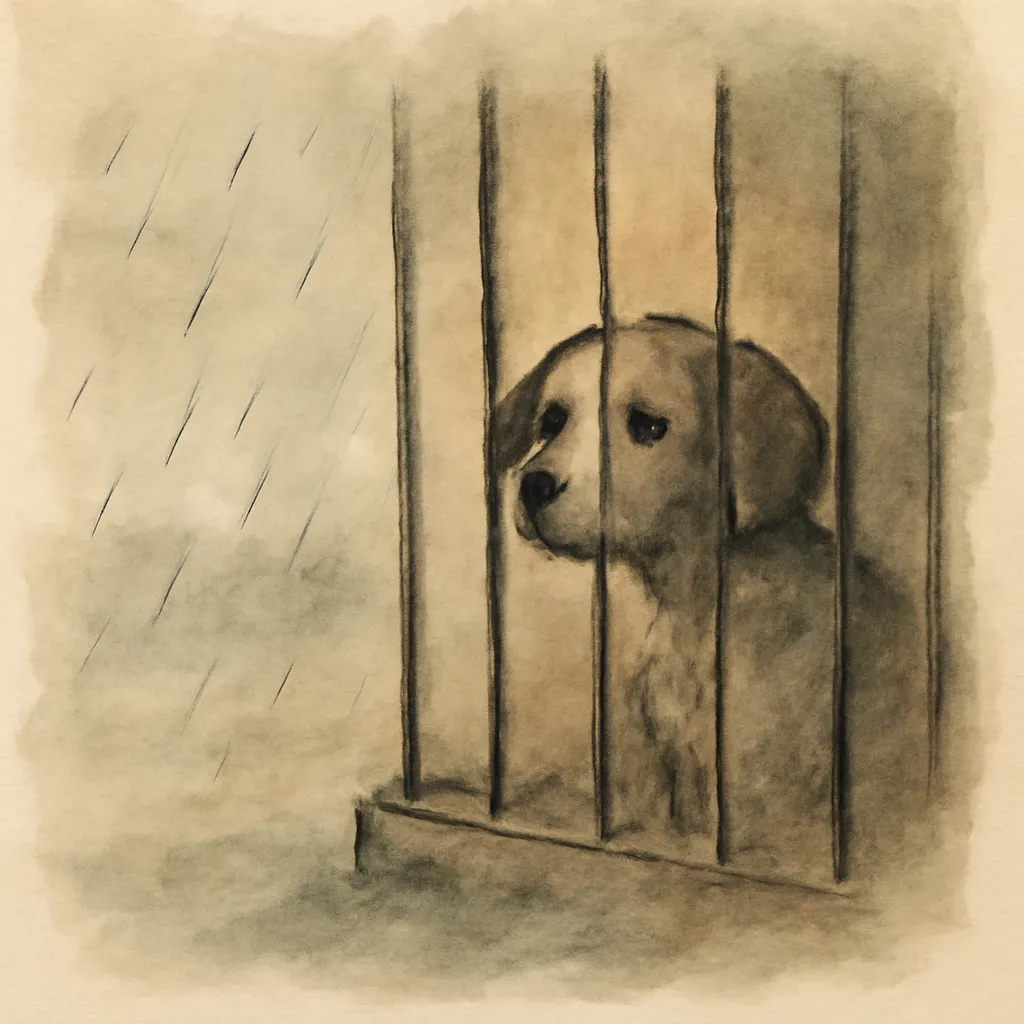
Disgrace draws striking parallels between the treatment of animals and the fate of humans in a harsh, indifferent world. Lurie’s work at the animal clinic, helping euthanize unwanted dogs, becomes a symbol for compassion in the face of powerlessness. The novel suggests that how we treat the most vulnerable—human or animal—reveals the core of our humanity.