
Economics · Economics -- Psychological aspects · Economics -- Sociological aspects
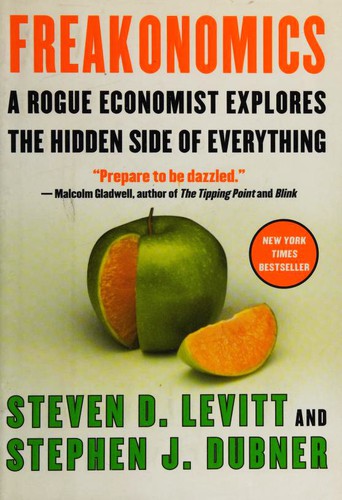
Freakonomics by Steven D. Levitt, Stephen J. Dubner, Andrea Montero Cusset — Summary, Key Ideas & Quotes
2005320 pages✦ 3-min Big ideas★ 3.9 (184)
Rate it
*A Rogue Economist Explores the Hidden Side of Everything* Which is more dangerous, a gun or a swimming pool? What do schoolteachers and sumo wrestlers have in common? Why do drug dealers still live with their moms? How much do parents really matter? How did the legalization of abortion affect the rate of violent crime? These may not sound like typical questions for an economist to ask. But Steven D. Levitt is not a typical economist. He is a much-heralded scholar who studies the riddles of everyday life—from cheating and crime to sports and child-rearing—and whose conclusions turn the conventional wisdom on its head. Freakonomics is a ground-breaking collaboration between Levitt and Stephen J. Dubner, an award-winning author and journalist. They usually begin with a mountain of data and a simple, unasked question. Some of these questions concern life-and-death issues; others have an admittedly freakish quality. Thus the new field of study contained in this book: Freakonomics. Through forceful storytelling and wry insight, Levitt and Dubner show that economics is, at root, the study of incentives—how people get what they want, or need, especially when other people want or need the same thing. In Freakonomics, they explore the hidden side of … well, everything. The inner workings of a crack gang. The truth about real-estate agents. The myths of campaign finance. The telltale marks of a cheating schoolteacher. The secrets of the Ku Klux Klan. What unites all these stories is a belief that the modern world, despite a great deal of complexity and downright deceit, is not impenetrable, is not unknowable, and—if the right questions are asked—is even more intriguing than we think. All it takes is a new way of looking at things. Freakonomics establishes this unconventional premise: If morality represents how we would like the world to work, then economics represents how it actually does work. It is true that readers of this book will be armed with enough riddles and stories to last a thousand cocktail parties. ButFreakonomics can provide more than that. It will literally redefine the way we view the modern world. First published in the U.S. in 2005, Freakonomics went on to sell more than 4 million copies around the world, in 35 languages. It also inspired a follow-up book, SuperFreakonomics; a high-profile documentary film; a radio program, and an award-winning blog, which has been called “the most readable economics blog in the universe.” ([source][1])
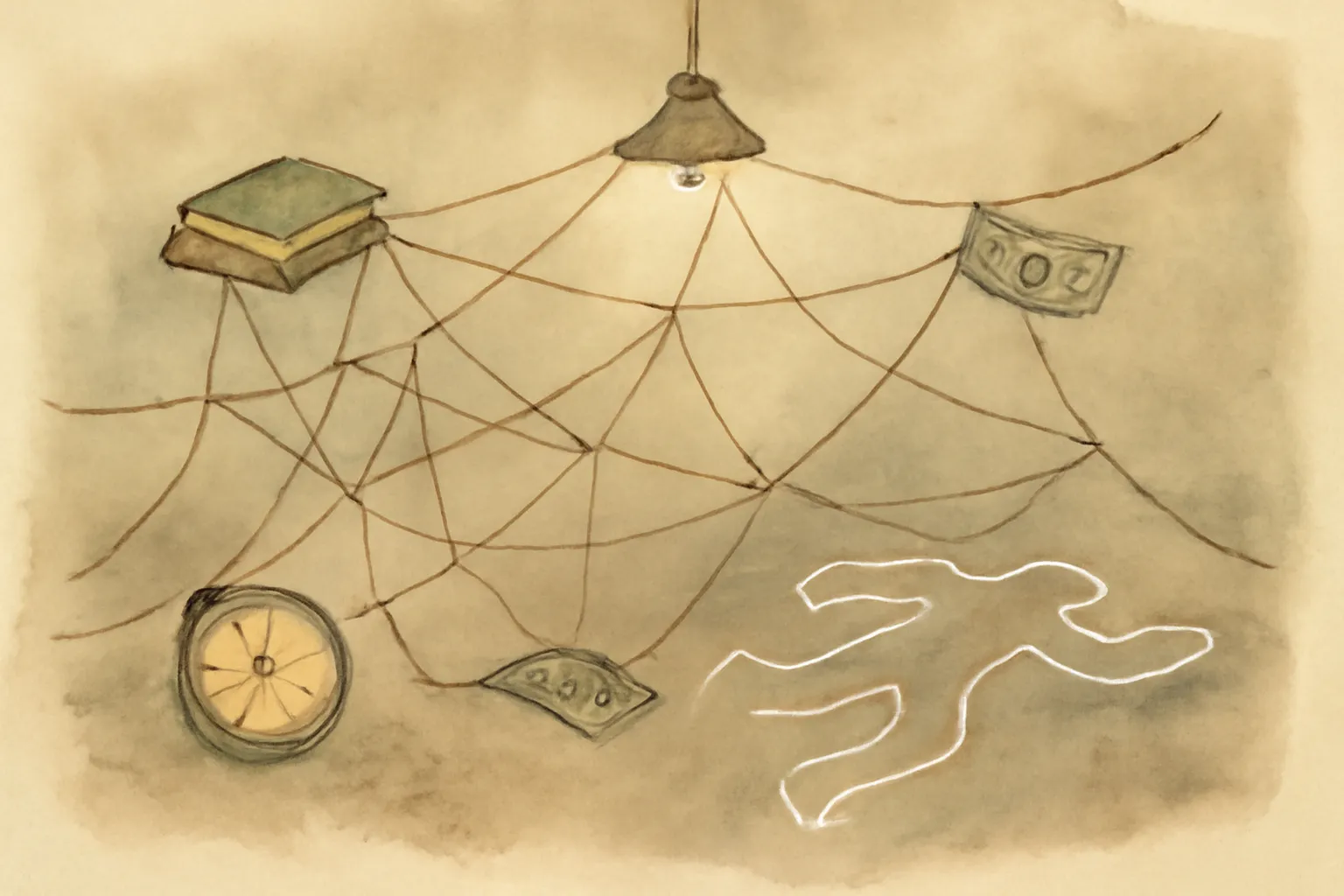
At the heart of Freakonomics is the idea that incentives—rewards and penalties—shape human behavior in every sphere, from classrooms to crime rings. The authors demonstrate how understanding incentives can explain why teachers might cheat on standardized tests, or why sumo wrestlers might throw matches. By uncovering the real motivations behind actions, the book shows that outcomes often make sense once you know what people stand to gain or lose.
Levitt and Dubner challenge readers to scrutinize widely held beliefs, arguing that 'conventional wisdom' is often wrong or incomplete. Using data-driven analysis, they debunk myths about crime, parenting, and risk, showing that intuition and popular opinion can mislead us. This critical approach encourages skepticism and curiosity, urging readers to look for evidence rather than accept easy answers.
“Morality, it could be argued, represents the way that people would like the world to work—whereas economics represents how it actually does work.”
“Incentives are the cornerstone of modern life.”
“The conventional wisdom is often wrong.”