1.Incentives Are the Hidden Engine
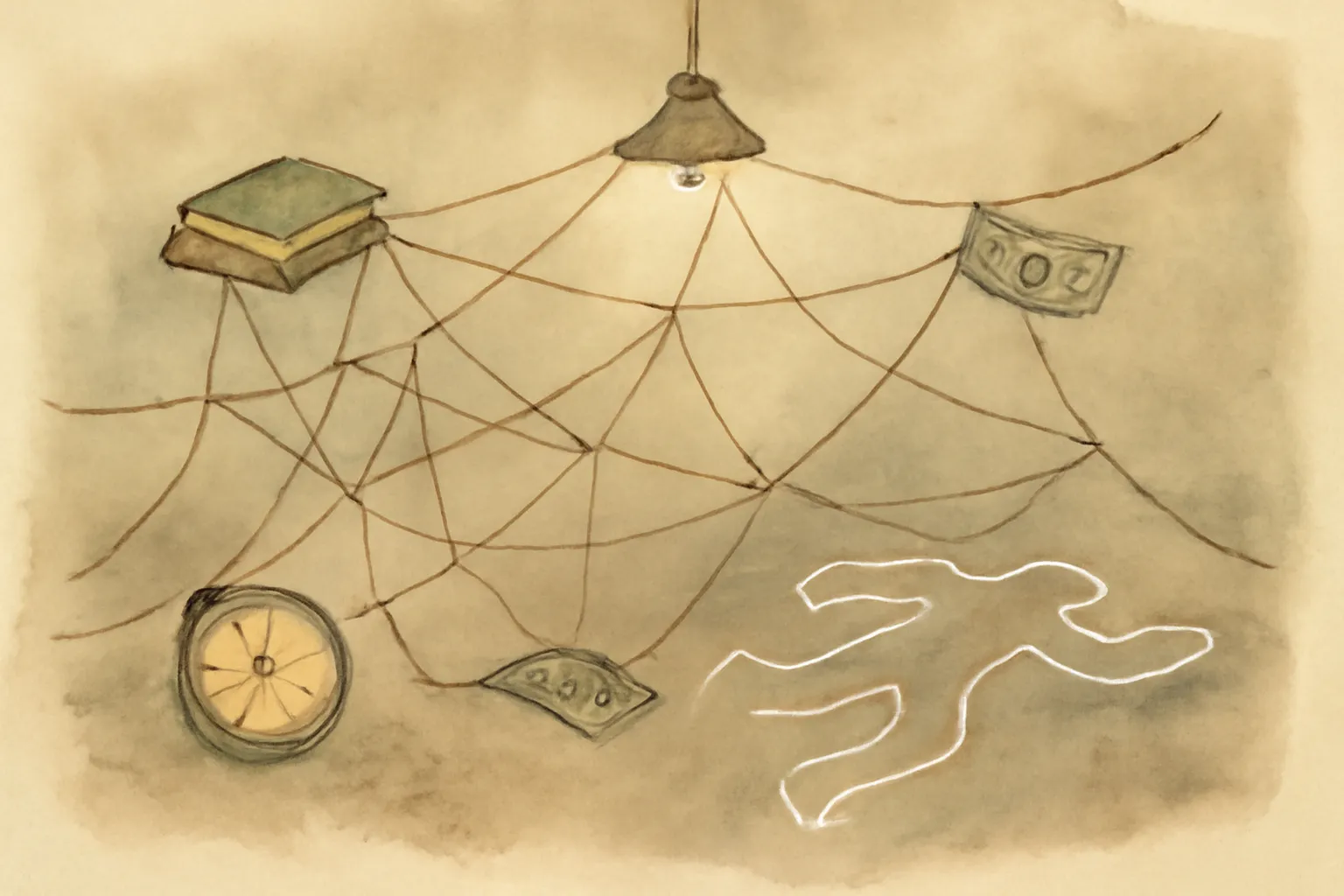
At the heart of Freakonomics is the idea that incentives—rewards and penalties—shape human behavior in every sphere, from classrooms to crime rings. The authors demonstrate how understanding incentives can explain why teachers might cheat on standardized tests, or why sumo wrestlers might throw matches. By uncovering the real motivations behind actions, the book shows that outcomes often make sense once you know what people stand to gain or lose.
2.Question Conventional Wisdom
Levitt and Dubner challenge readers to scrutinize widely held beliefs, arguing that 'conventional wisdom' is often wrong or incomplete. Using data-driven analysis, they debunk myths about crime, parenting, and risk, showing that intuition and popular opinion can mislead us. This critical approach encourages skepticism and curiosity, urging readers to look for evidence rather than accept easy answers.
3.Data Reveals Hidden Patterns
Freakonomics is built on the premise that careful analysis of data can uncover surprising connections. The authors use real-world statistics to link seemingly unrelated phenomena, such as the correlation between legalized abortion and reduced crime rates. Their approach demonstrates that complex social issues often have unexpected roots, and that rigorous data analysis can reveal truths invisible to casual observation.
4.Unintended Consequences
The book highlights how well-intentioned policies or behaviors can have unexpected, sometimes perverse, outcomes. For example, the authors show how anti-cheating measures in schools or anti-crime efforts can produce new forms of cheating or crime. This theme underscores the importance of anticipating how people will respond to rules, not just how we hope they will.
5.The Limits of Parenting and Environment
Freakonomics explores the impact of parenting and environment on children's success, finding that many factors parents obsess over (like reading to children or moving to a better neighborhood) may matter less than assumed. Instead, the book suggests that who parents are—education, background, values—often has a greater influence than what they do. This challenges common assumptions about how to shape children's futures.
6.The Power of Asking Unusual Questions
Levitt and Dubner show that innovation often comes from asking questions others overlook. By wondering, for instance, why drug dealers live with their mothers or comparing the risks of guns versus swimming pools, they open up new avenues of insight. This encourages readers to approach problems from fresh angles and not be afraid to investigate the 'freakish' side of life.