the Elder Wand · children's books · dementors
Harry Potter and the Deathly Hallows by J.K. Rowling — Summary, Key Ideas & Quotes
2007703 pages✦ 3-min Big ideas★ 4.3 (413)
Rate it
Harry Potter is leaving Privet Drive for the last time. But as he climbs into the sidecar of Hagrid’s motorbike and they take to the skies, he knows Lord Voldemort and the Death Eaters will not be far behind. The protective charm that has kept him safe until now is broken. But the Dark Lord is breathing fear into everything he loves. And he knows he can’t keep hiding. To stop Voldemort, Harry knows he must find the remaining Horcruxes and destroy them. He will have to face his enemy in one final battle. ([source][1])
See also: - [Harry Potter and the Deathly Hallows: 2/2][2]
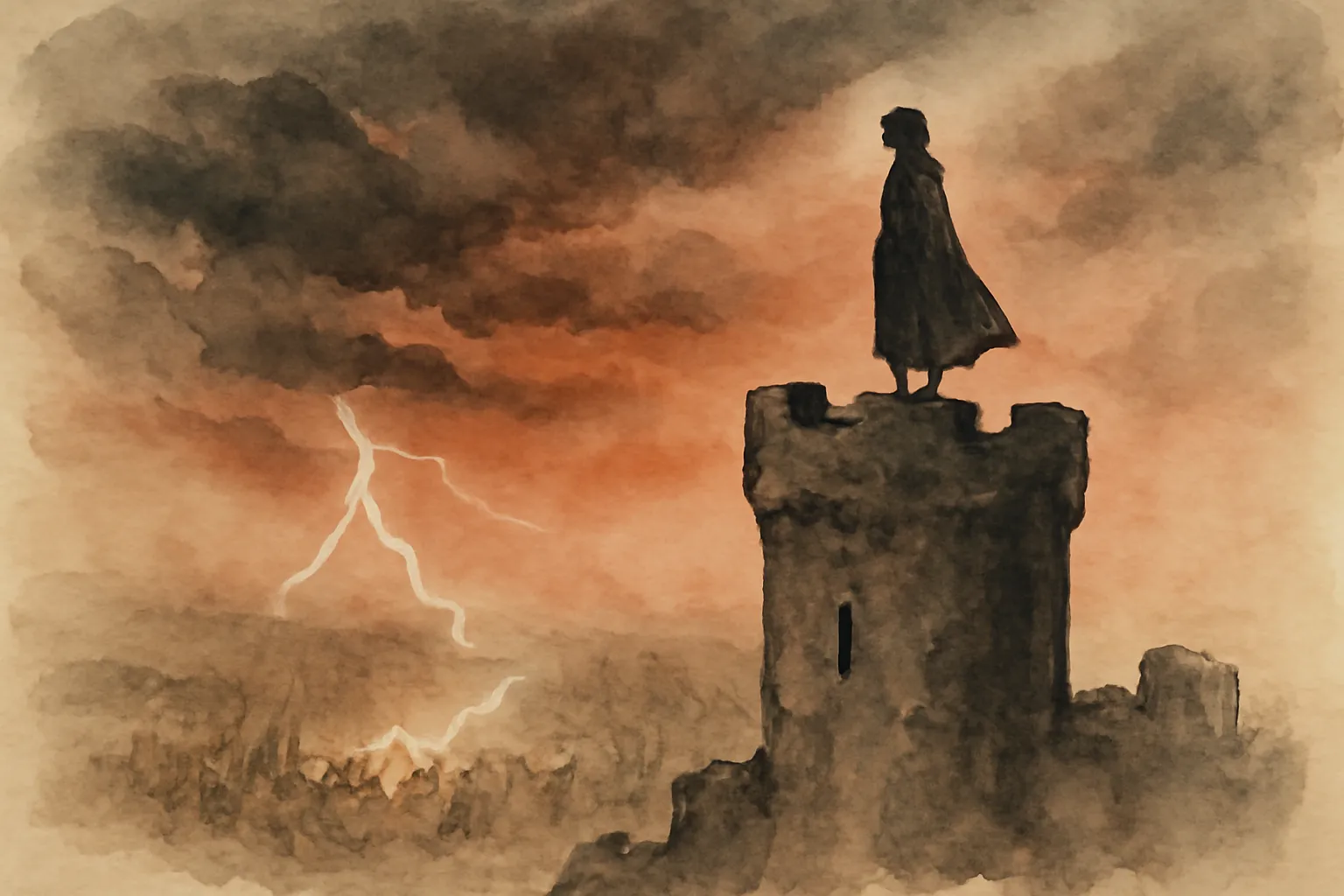
At its core, Deathly Hallows is about the willingness to sacrifice for others. Harry’s journey is marked by selflessness—he repeatedly risks his life, ultimately accepting death to protect his friends and the greater good. This theme is mirrored in other characters, from Snape’s hidden sacrifices to the losses suffered by the Order of the Phoenix. Rowling suggests that true heroism lies not in power, but in the courage to put others before oneself.
Death is a central motif, embodied by the Hallows themselves and the losses suffered throughout the story. Rowling explores how different characters respond to mortality: some seek to master or evade it, while others accept its inevitability. The tale of the Three Brothers, embedded in the narrative, becomes a parable about accepting death as part of life rather than something to be conquered or feared.
“Do not pity the dead, Harry. Pity the living, and, above all, those who live without love.”
“The last enemy that shall be destroyed is death.”
“After all this time? Always.”
“Where your treasure is, there will your heart be also.”
“Words are, in my not-so-humble opinion, our most inexhaustible source of magic.”