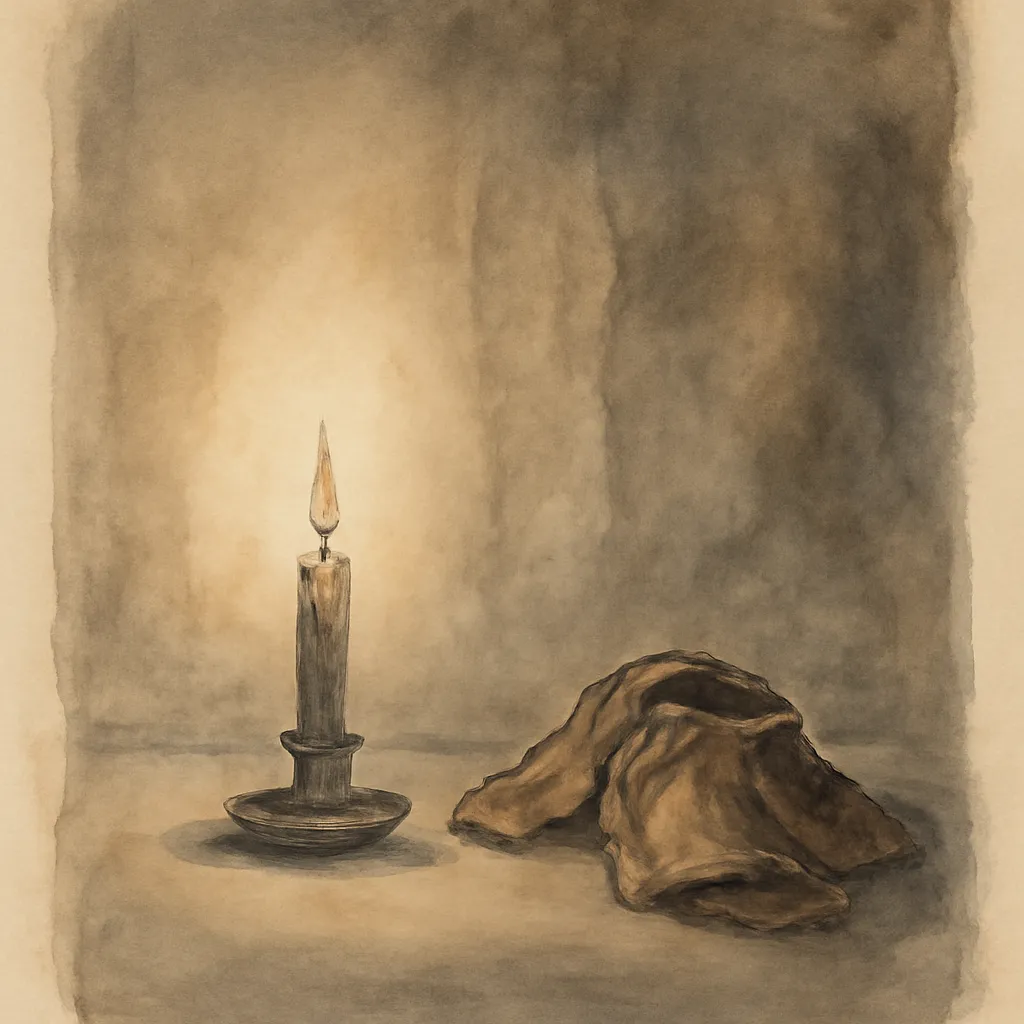
1.The Power of Sacrifice
At its core, Deathly Hallows is about the willingness to sacrifice for others. Harry’s journey is marked by selflessness—he repeatedly risks his life, ultimately accepting death to protect his friends and the greater good. This theme is mirrored in other characters, from Snape’s hidden sacrifices to the losses suffered by the Order of the Phoenix. Rowling suggests that true heroism lies not in power, but in the courage to put others before oneself.
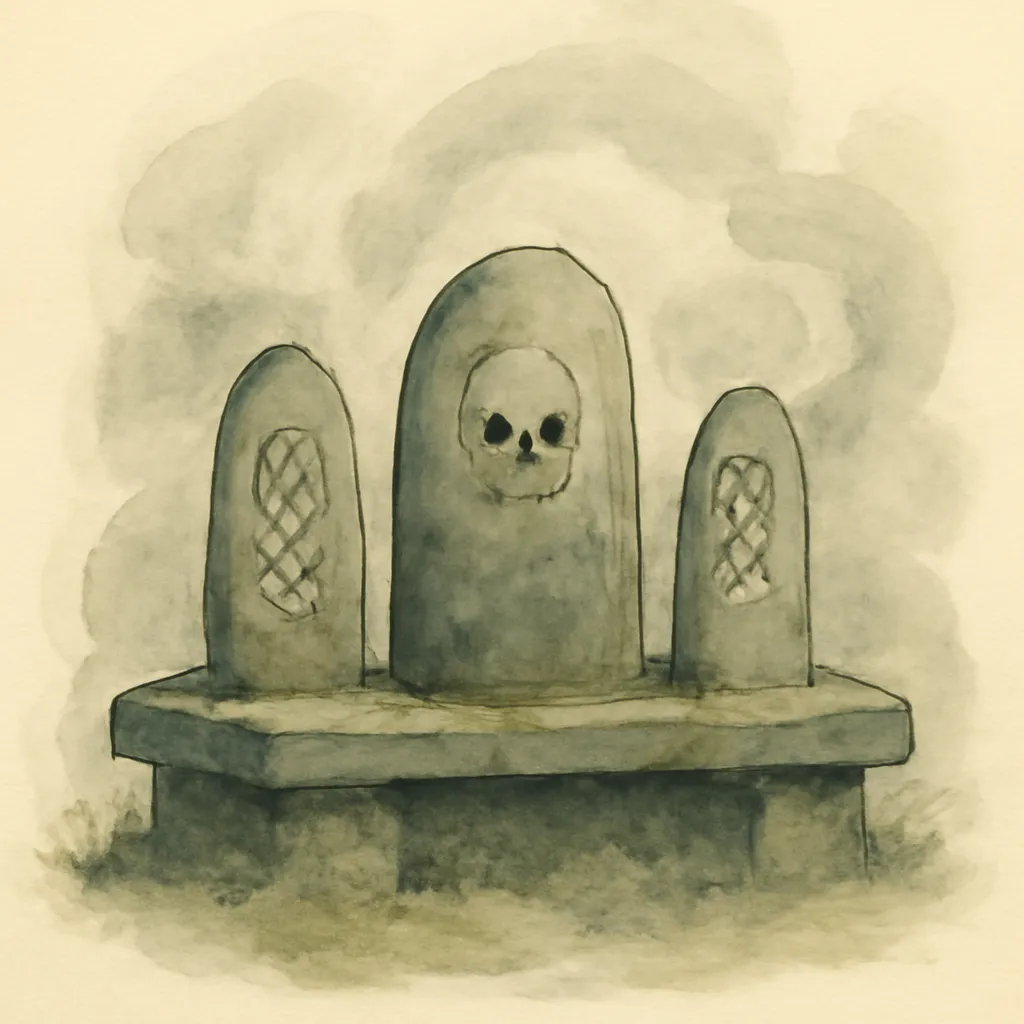
2.The Nature of Death and Acceptance
Death is a central motif, embodied by the Hallows themselves and the losses suffered throughout the story. Rowling explores how different characters respond to mortality: some seek to master or evade it, while others accept its inevitability. The tale of the Three Brothers, embedded in the narrative, becomes a parable about accepting death as part of life rather than something to be conquered or feared.
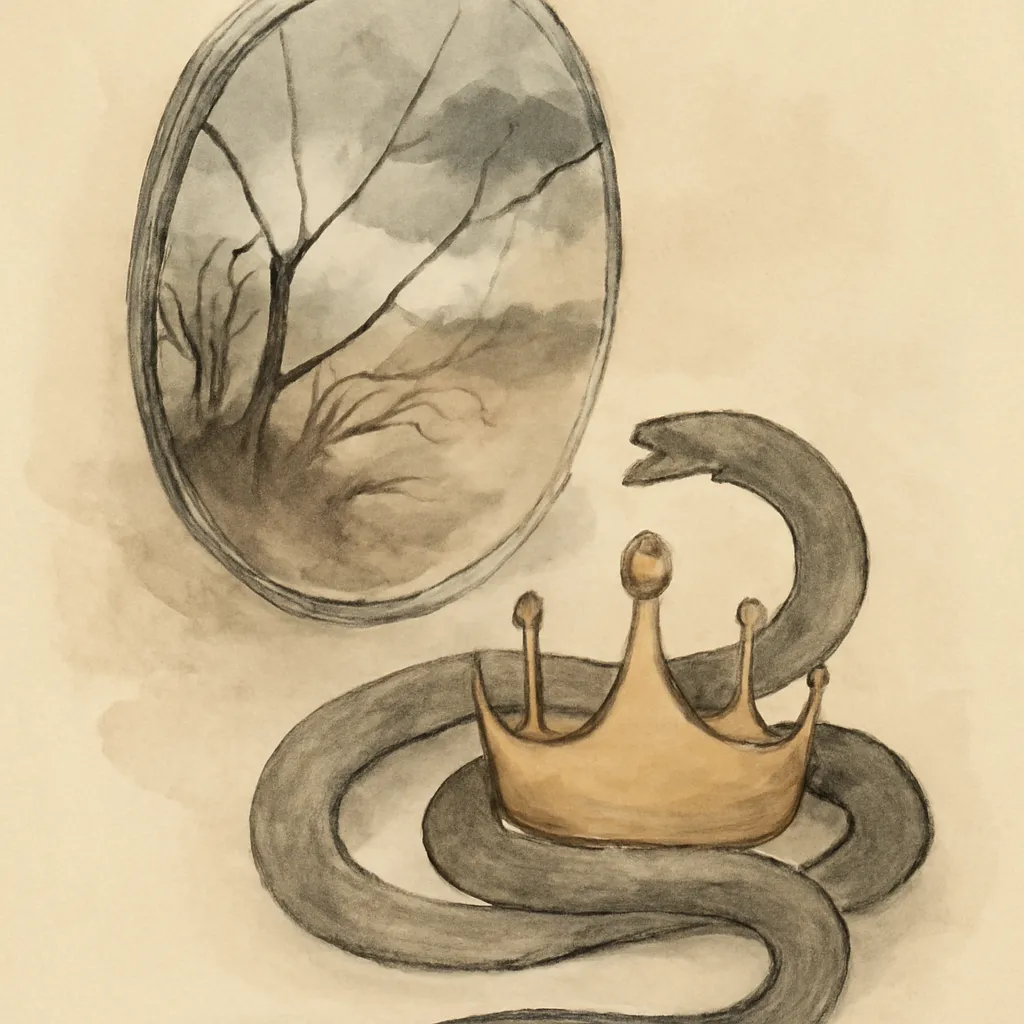
3.The Dangers of Obsession and Power
Voldemort’s quest for immortality and dominance is contrasted with Harry’s humility. The Horcruxes and Hallows symbolize the corrupting influence of obsession—whether with power, legacy, or even justice. Rowling warns that the pursuit of control, especially over death, can lead to moral ruin. The book asks readers to consider the costs of unchecked ambition and the value of restraint.
4.The Complexity of Good and Evil
Deathly Hallows complicates the moral landscape of the series. Characters like Snape and Dumbledore are revealed to have made morally ambiguous choices, driven by love, guilt, or pragmatism. Rowling refuses to present good and evil as simple binaries, instead showing that even heroes are flawed and villains can possess redeeming qualities. This complexity invites readers to question easy judgments and appreciate the nuances of human motivation.
5.The Importance of Friendship and Loyalty
The trio’s journey is fraught with tension, doubt, and even betrayal, yet their bond endures. Rowling underscores that friendship and loyalty are not just comforts, but sources of strength in adversity. The support Harry, Ron, and Hermione offer each other—despite setbacks—proves essential to their survival and ultimate victory. The book champions the idea that together, people can withstand even the darkest times.
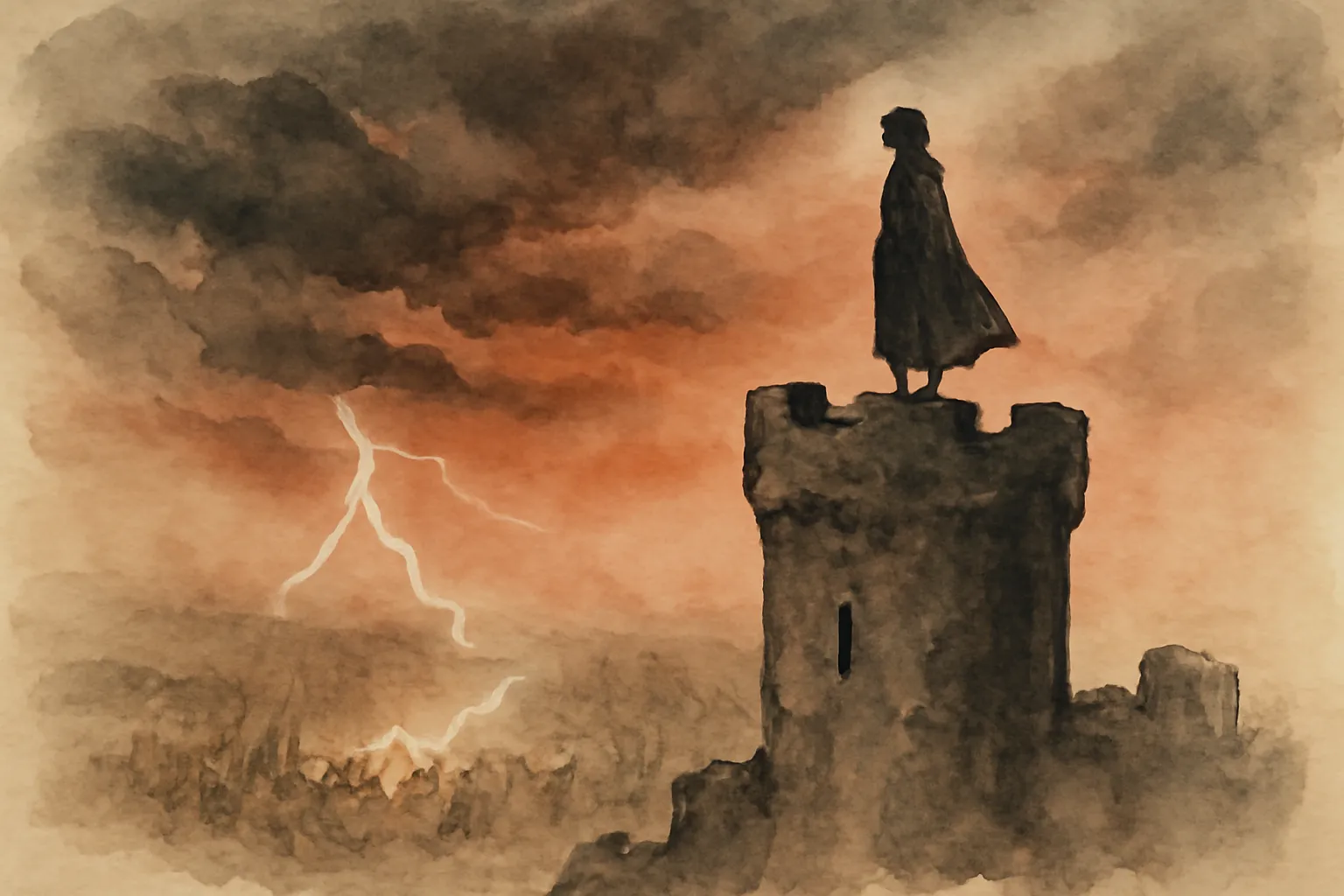
6.Coming of Age in a Broken World
Deathly Hallows is a coming-of-age story set against the backdrop of war. Harry and his friends must navigate loss, responsibility, and the collapse of familiar institutions. Their journey from adolescence to adulthood is marked by difficult choices and the realization that the world is imperfect. Rowling portrays maturity as the ability to act with integrity and hope, even when certainty is impossible.