

Murderers · Murder · Trials (Murder)
His Bloody Project by Graeme Macrae Burnet — Summary, Key Ideas & Quotes
2015288 pages✦ 3-min Big ideas★ 3.5 (6)
Rate it
The year is 1869. After a brutal triple murder in a remote community in the Scottish Highlands, a young man by the name of Roderick Macrae is arrested for the crime. A memoir written by the accused makes it clear that he is guilty, but the police and the courts must decide what drove him to murder the local village constable. And why did he kill his other two victims? Was he insane? Or was this the act of a man in possession of his senses? Only the persuasive powers of his advocate stand between the killer and the gallows at Inverness. In this compelling and original novel, using the words of the accused, personal testimony, transcripts from the trial and newspaper reports, Graeme Macrae Burnet tells a moving story about the provisional nature of the truth, even when the facts are plain.
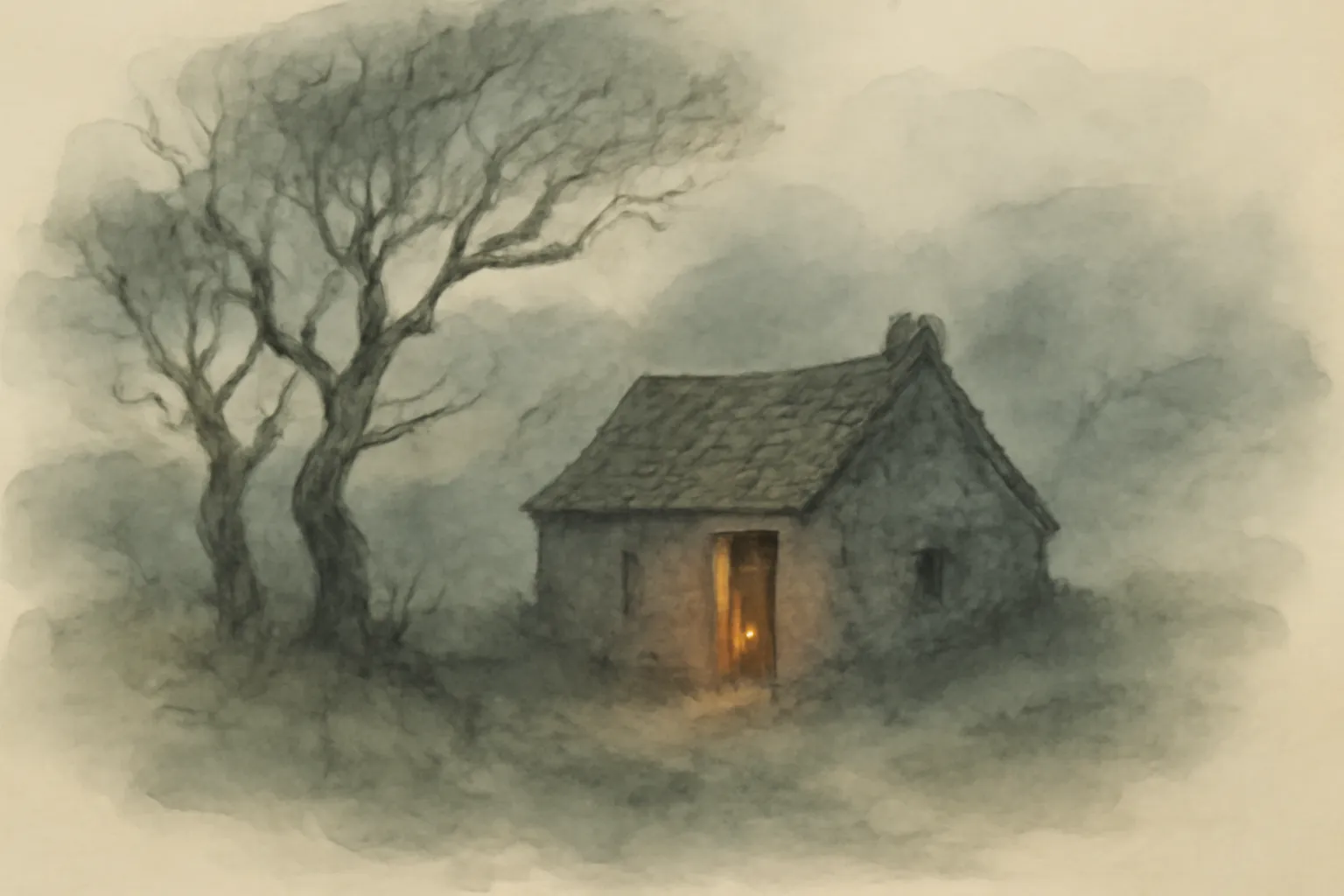
Burnet constructs the novel as a dossier of conflicting documents—Roderick Macrae’s confession, witness statements, medical reports, and trial transcripts—forcing readers to confront how truth is filtered through perspective, bias, and incomplete information. The book’s structure makes us question not only what happened, but whether objective truth is ever truly accessible, especially in the context of crime and punishment.
At the heart of the novel is the puzzle of why Roderick Macrae committed such brutal acts. Burnet delves into the psychological and social pressures facing his protagonist: poverty, oppression by authority, and the suffocating constraints of rural life. The narrative invites readers to consider whether Roderick is a cold-blooded killer, a victim of circumstance, or someone driven to the edge by forces beyond his control.