

De salvo, albert henry, 1931-1973 · Murder, massachusetts · Murder
A Death in Belmont by Sebastian Junger — Summary, Key Ideas & Quotes
2006272 pages✦ 3-min Big ideas★ 3.0 (3)
Rate it
In the spring of 1963, the quiet suburb of Belmont, Massachusetts, is rocked by a shocking sex murder that exactly fits the pattern of the Boston Strangler. Sensing a break in the case that has paralyzed the city of Boston, the police track down a black man, Roy Smith, who cleaned the victim's house that day and left a receipt with his name on the kitchen counter. Smith is hastily convicted of the Belmont murder, but the terror of the Strangler continues. On the day of the murder, Albert DeSalvo--the man who would eventually confess in lurid detail to the Strangler's crimes--is also in Belmont, working as a carpenter at the Jungers' home. In this spare, powerful narrative, Sebastian Junger chronicles three lives that collide--and ultimately are destroyed--in the vortex of one of the first and most controversial serial murder cases in America.--From publisher description.
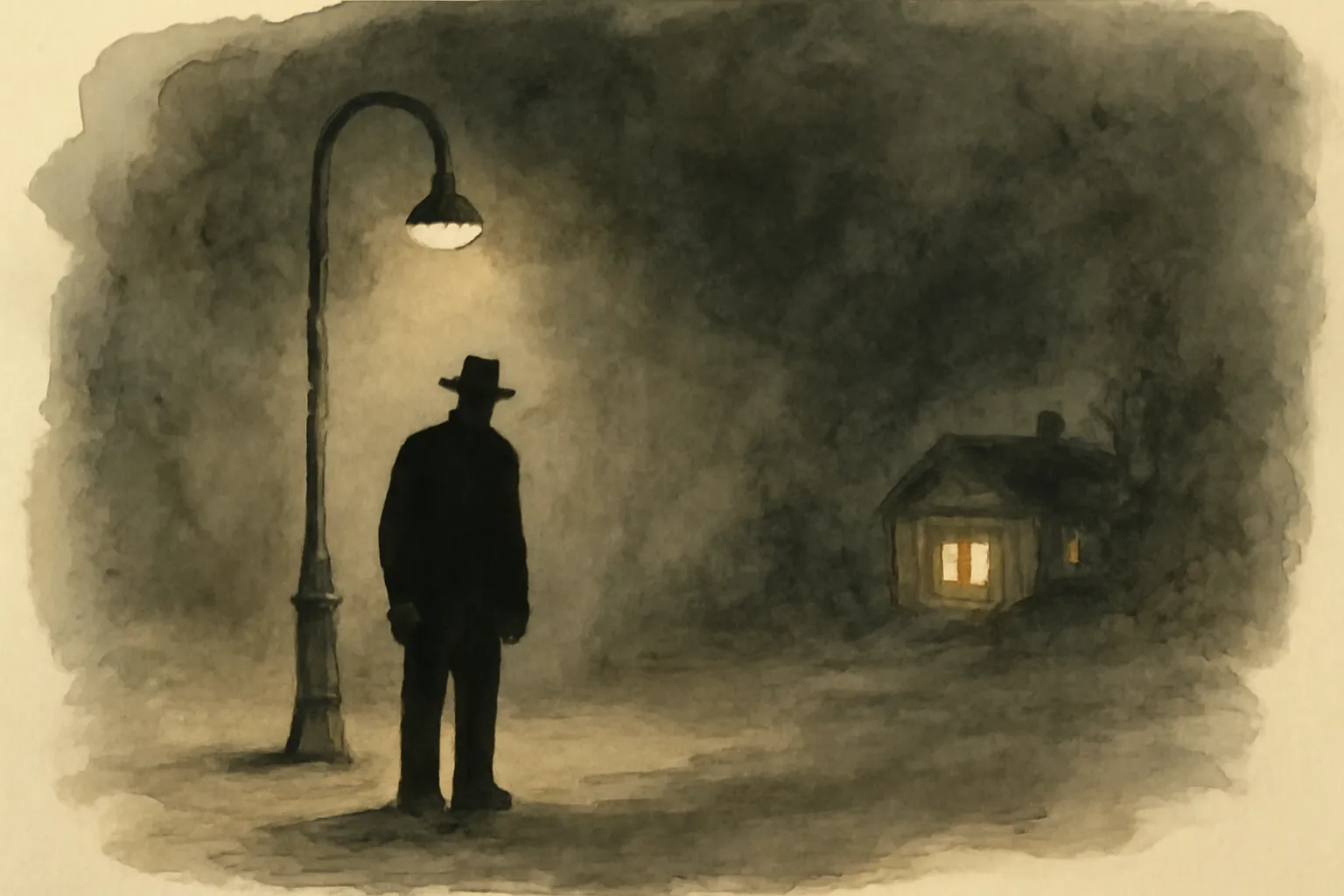
Junger delves into the ambiguity surrounding the conviction of Roy Smith, a black man accused of a Belmont murder that fit the Boston Strangler's pattern. The book meticulously examines the evidence, or lack thereof, and exposes how circumstantial details and societal fears can tip the scales of justice. By juxtaposing Smith's trial with the later confession of Albert DeSalvo, Junger forces readers to confront the possibility of wrongful conviction and the haunting uncertainty that lingers when the truth is elusive.
A Death in Belmont is a case study in how race and class can influence the pursuit and administration of justice. Junger highlights how Smith’s status as a poor black man in a predominantly white suburb made him an easy target for suspicion and prosecution. The book scrutinizes the role of implicit bias, media hysteria, and institutional pressures in shaping the narrative and outcome of the case, raising uncomfortable questions about systemic inequities that persist to this day.