1.The Uncertainty of Guilt
Junger delves into the ambiguity surrounding the conviction of Roy Smith, a black man accused of a Belmont murder that fit the Boston Strangler's pattern. The book meticulously examines the evidence, or lack thereof, and exposes how circumstantial details and societal fears can tip the scales of justice. By juxtaposing Smith's trial with the later confession of Albert DeSalvo, Junger forces readers to confront the possibility of wrongful conviction and the haunting uncertainty that lingers when the truth is elusive.
2.Race, Class, and the Machinery of Justice
A Death in Belmont is a case study in how race and class can influence the pursuit and administration of justice. Junger highlights how Smith’s status as a poor black man in a predominantly white suburb made him an easy target for suspicion and prosecution. The book scrutinizes the role of implicit bias, media hysteria, and institutional pressures in shaping the narrative and outcome of the case, raising uncomfortable questions about systemic inequities that persist to this day.
3.The Nature of Evil and Ordinary Life
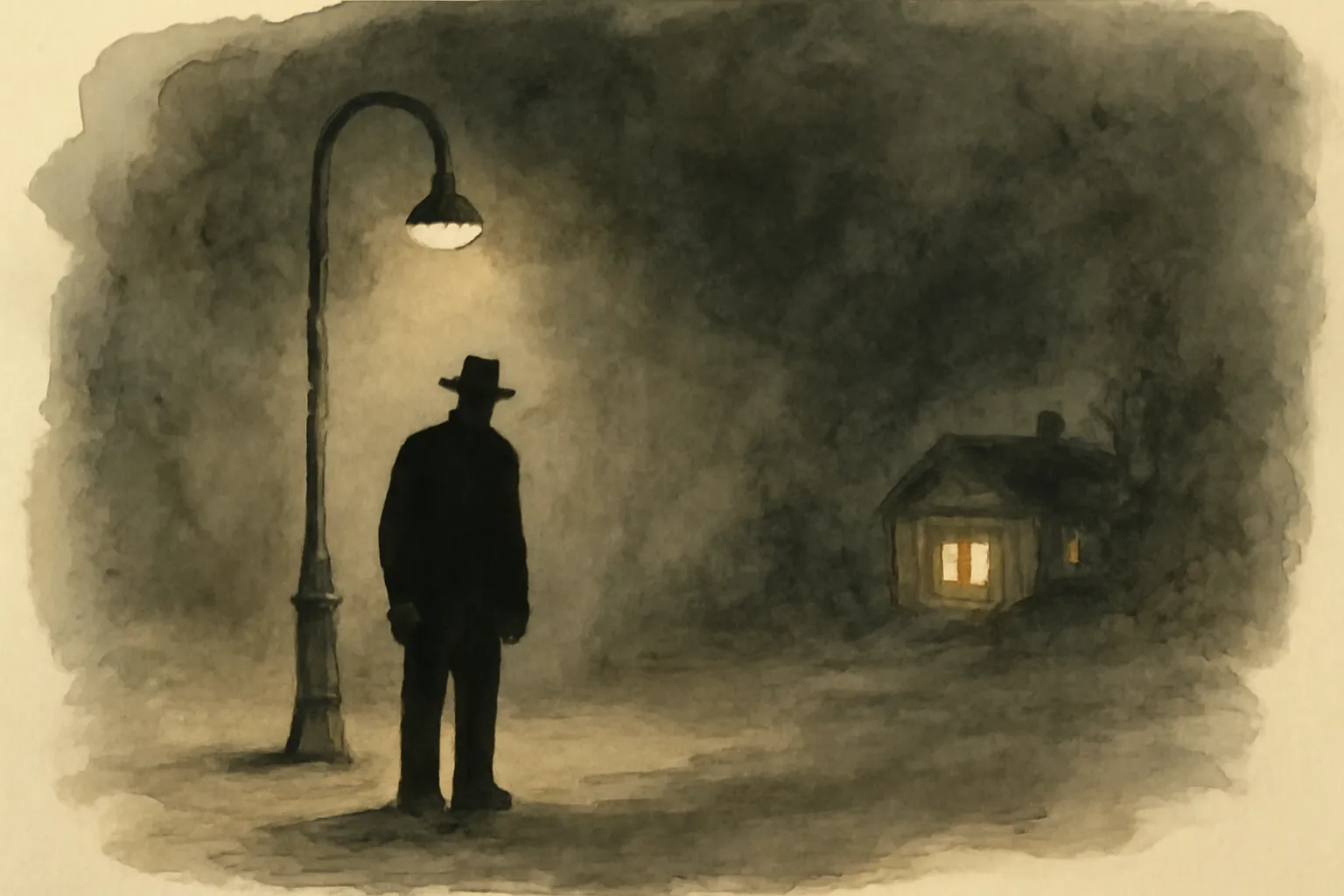
Junger contrasts the banality of everyday existence with the sudden eruption of violence, particularly through the figure of Albert DeSalvo, who worked in the author's own childhood home. The proximity of evil to normalcy—how a serial killer could move unnoticed among ordinary people—underscores the fragility of safety and the unpredictability of human behavior. This tension between the mundane and the monstrous is a central theme, inviting readers to reflect on the hidden dangers lurking in plain sight.
4.Memory, Perspective, and the Limits of Truth
The book is as much about how stories are constructed as it is about the events themselves. Junger, drawing on his own family's connection to the case, explores the fallibility of memory and the ways in which personal perspective shapes our understanding of truth. The narrative structure—interweaving personal memoir, investigative reporting, and historical context—emphasizes the limitations of any single viewpoint and the complexity of reconstructing the past.
5.The Enduring Power of Fear
Set against the backdrop of the Boston Strangler panic, A Death in Belmont captures the psychological toll that fear takes on individuals and communities. Junger shows how collective anxiety can cloud judgment, fuel scapegoating, and drive a desperate search for closure—even at the cost of justice. The book serves as a cautionary tale about the dangers of letting fear dictate the course of events.
6.The Human Cost of Unresolved Crimes
Junger does not simply recount a crime; he examines the ripple effects on the lives of those touched by it—victims, suspects, families, and even bystanders. The emotional aftermath, the lingering doubts, and the sense of injustice are all rendered with empathy and nuance. The book asks what it means to live with uncertainty and how communities and individuals cope with unresolved trauma.