

Ambition · Case studies · Equality
Ain't No Makin' It: Aspirations and Attainment in a Low-Income Neighborhood by Jay MacLeod — Summary, Key Ideas & Quotes
1987319 pages✦ 3-min Big ideas
Rate it
The author immersed himself in the teenage underworld of Clarendon Heights. The Hallway Hangers, one of the neighborhood cliques, appear as cynical self-destructive hoodlums. The other group, the Brothers, take the American Dream to heart and aspire to middle-class respectability. The twist is that the Hallway Hangers are mostly white; the Brothers are almost all black. Comparing the two groups, MacLeod provides a provocative account of how poverty is perpetuated from one generation to the next.
This edition retains the vivid accounts of friendships, families, school, and work that made the first edition so popular. The ethnography resonates with feeling and vivid dialogue. But the book also addressed one of the most important issues in modern social theory and policy: how social inequality is reproduced from one generation to the next. MacLeod links individual lives with social theory to forge a powerful argument about how inequality is created, sustained, and accepted in the United States.
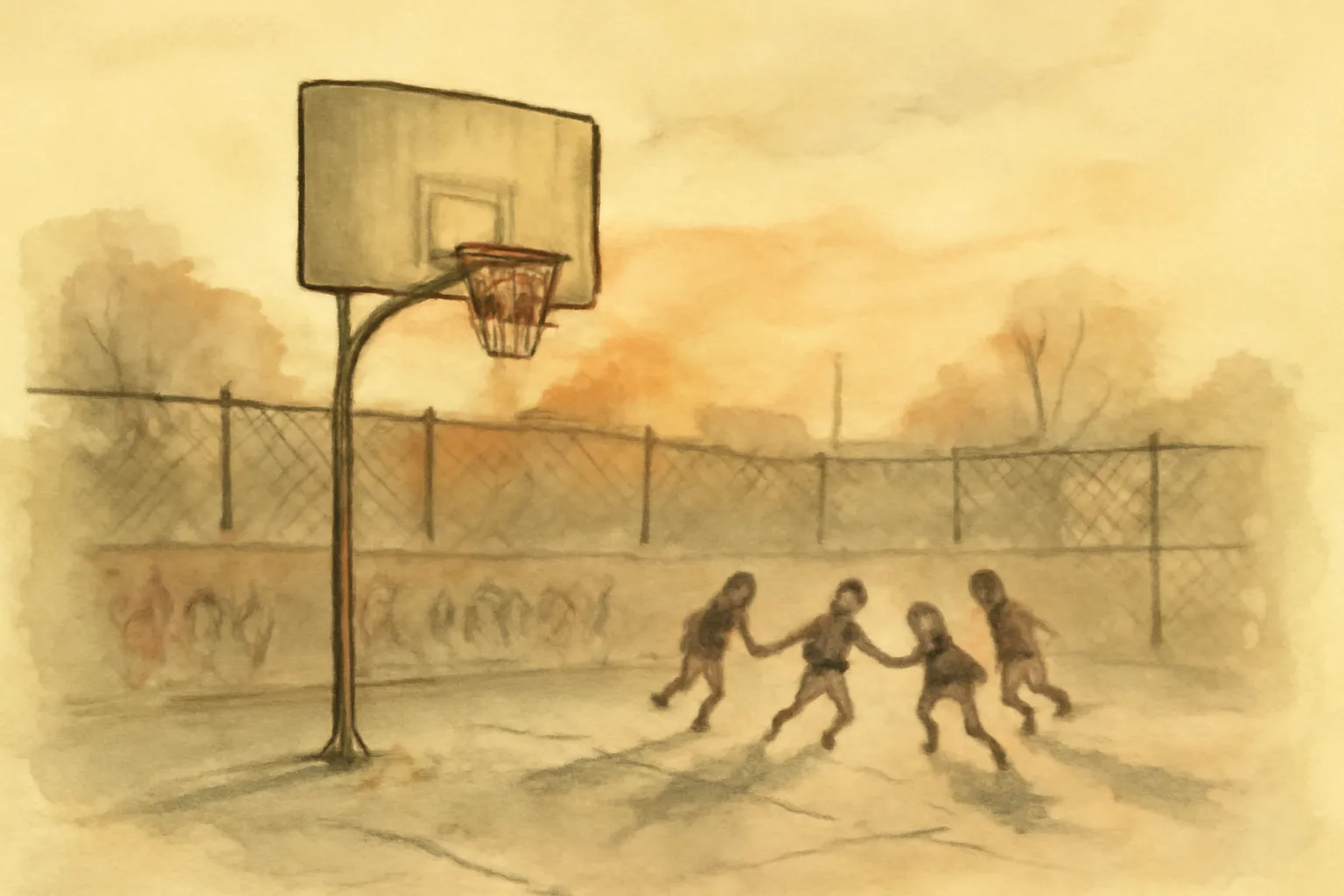
MacLeod’s core argument is that poverty is not simply a result of individual choices or lack of ambition, but is deeply rooted in social structures. The book demonstrates how class position, family background, and the broader environment limit opportunities and reinforce inequality across generations. Even when individuals aspire to 'make it,' systemic barriers—such as underfunded schools, racial discrimination, and limited social networks—often block their path. This challenges the myth of the American Dream as equally accessible to all.
The book centers on two groups: the Hallway Hangers, mostly white and deeply cynical about their prospects, and the Brothers, mostly black and still hopeful about upward mobility. MacLeod explores why the Hallway Hangers reject mainstream goals, while the Brothers embrace them. Ironically, despite their optimism, the Brothers face harsher structural barriers, showing that positive attitudes alone are not enough to overcome entrenched disadvantage.
“If you grow up in Clarendon Heights, ain’t no makin’ it.”
“The rules are not the same for everyone.”