1.Social Reproduction of Inequality
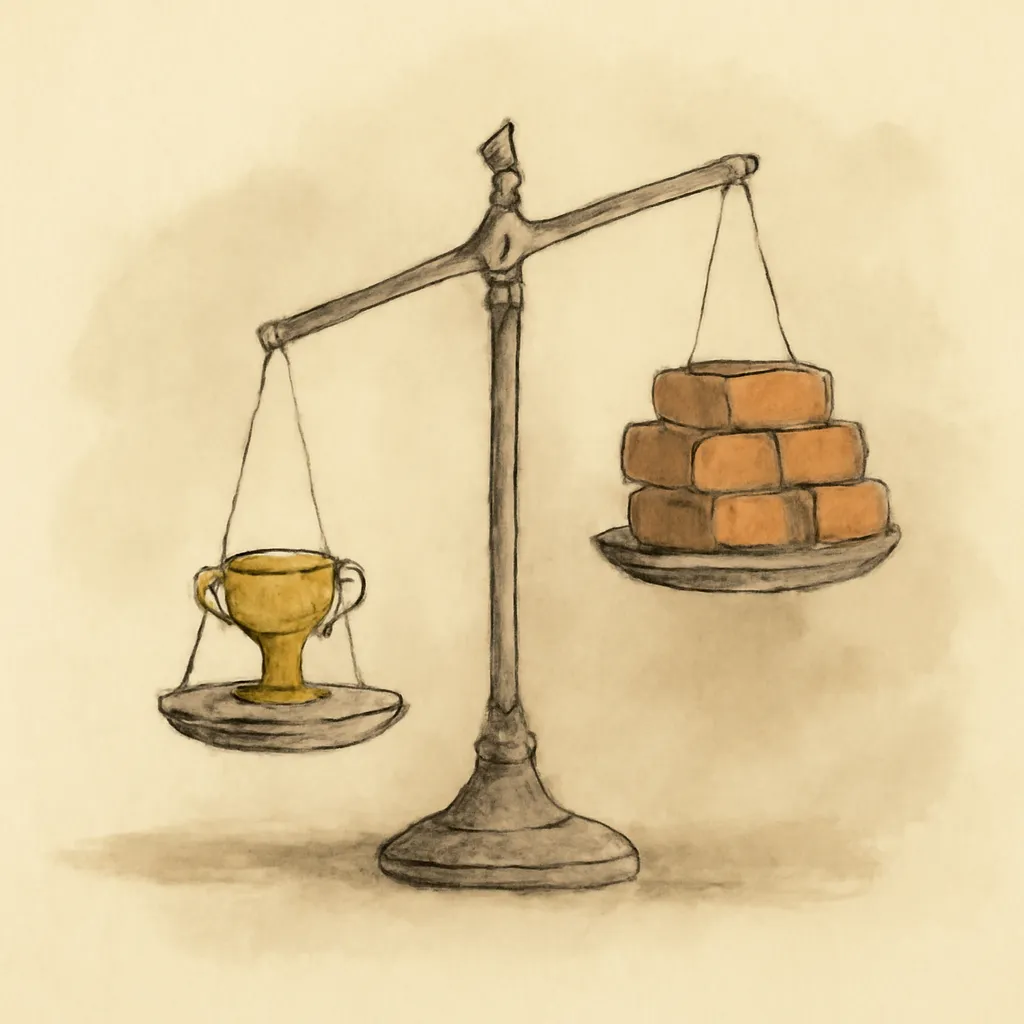
MacLeod’s core argument is that poverty is not simply a result of individual choices or lack of ambition, but is deeply rooted in social structures. The book demonstrates how class position, family background, and the broader environment limit opportunities and reinforce inequality across generations. Even when individuals aspire to 'make it,' systemic barriers—such as underfunded schools, racial discrimination, and limited social networks—often block their path. This challenges the myth of the American Dream as equally accessible to all.
2.Contrasting Aspirations: Hallway Hangers vs. Brothers
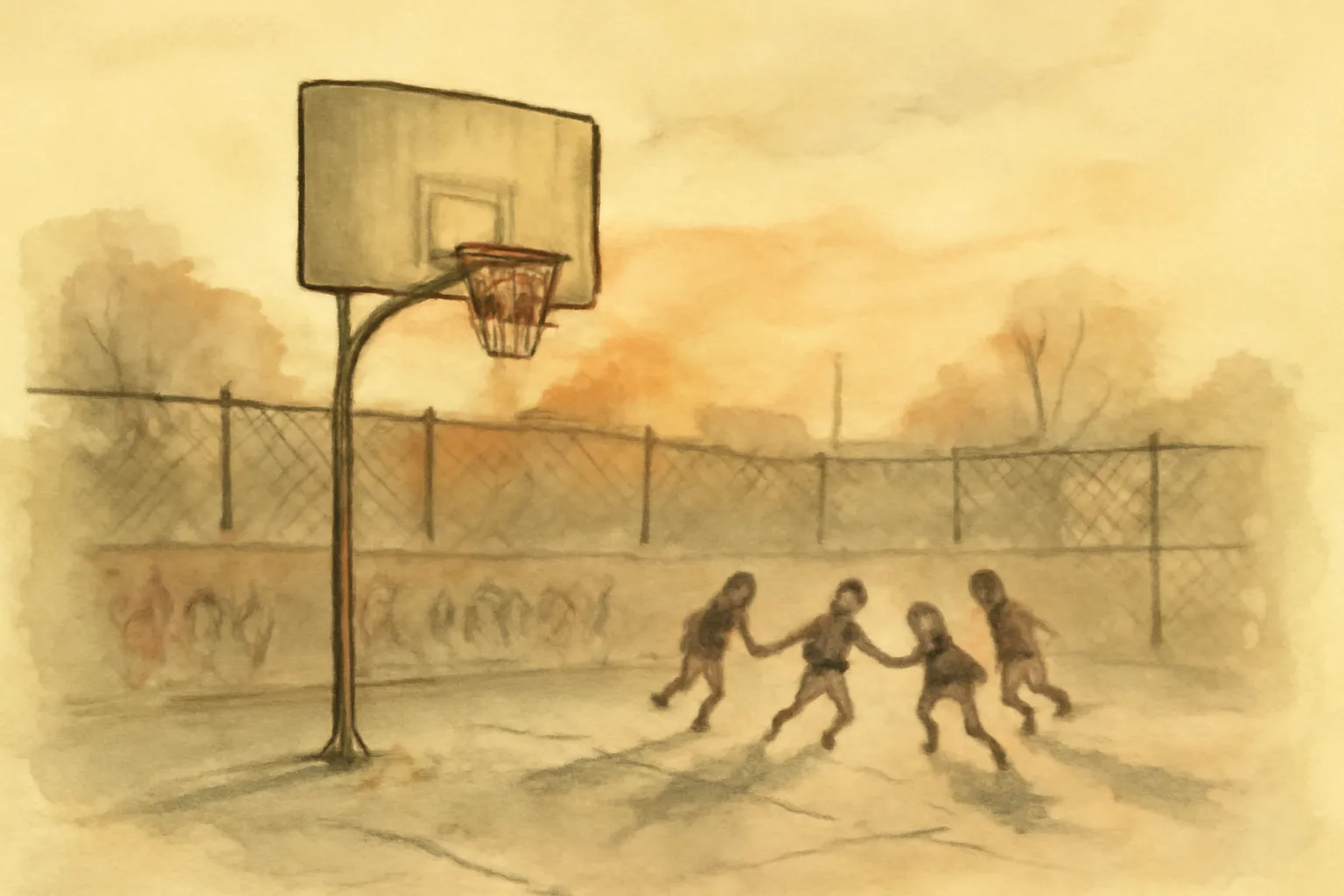
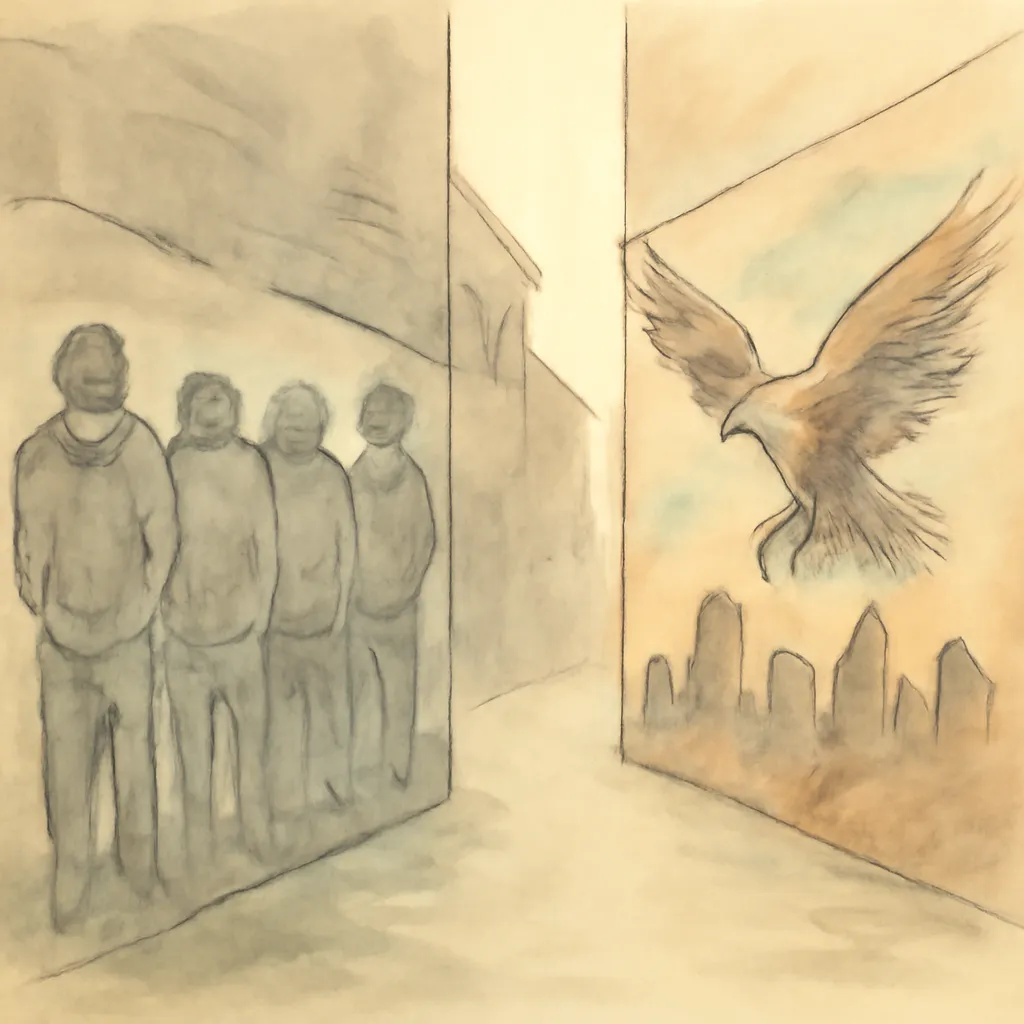
The book centers on two groups: the Hallway Hangers, mostly white and deeply cynical about their prospects, and the Brothers, mostly black and still hopeful about upward mobility. MacLeod explores why the Hallway Hangers reject mainstream goals, while the Brothers embrace them. Ironically, despite their optimism, the Brothers face harsher structural barriers, showing that positive attitudes alone are not enough to overcome entrenched disadvantage.
3.The Power of Cultural Capital
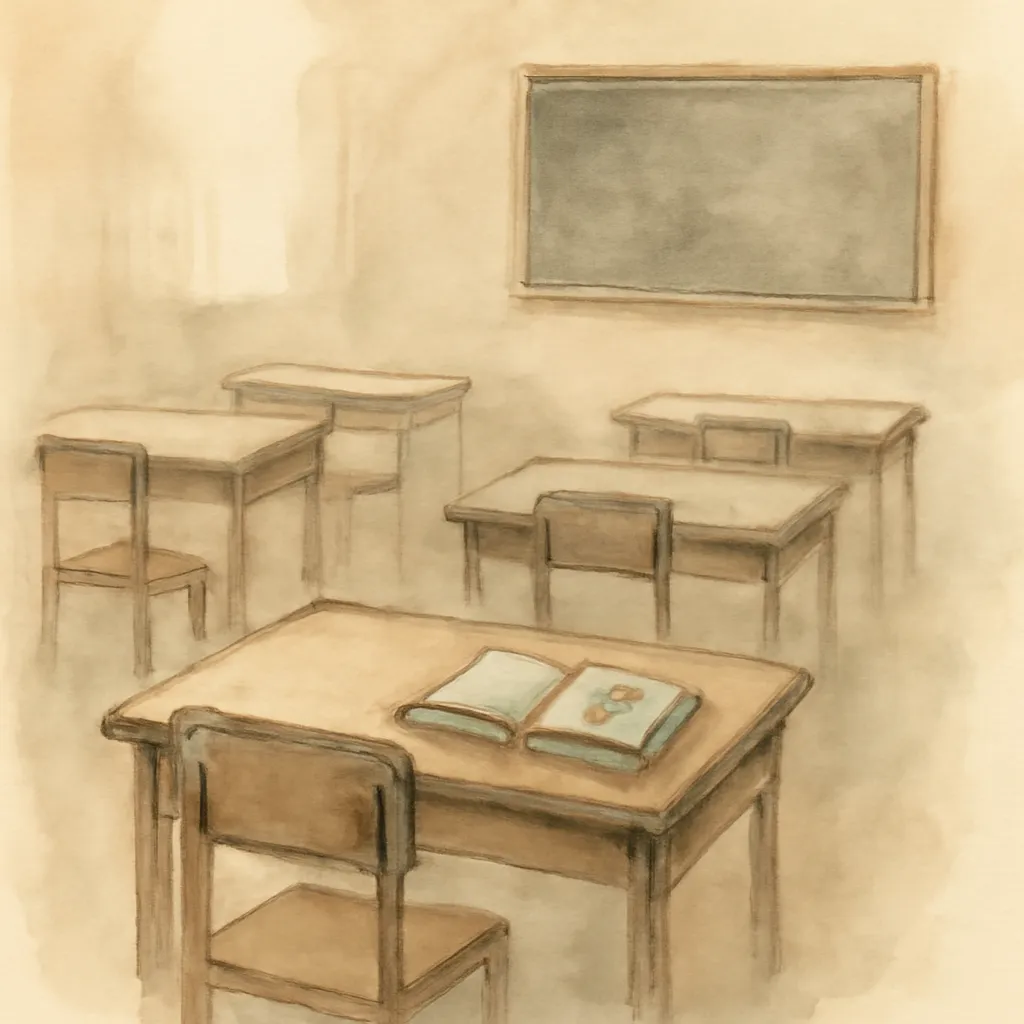
Drawing on Pierre Bourdieu’s concept of cultural capital, MacLeod shows how the knowledge, behaviors, and skills valued by schools and employers are often out of reach for kids from poor backgrounds. This gap makes it harder for them to succeed, even when they try to play by the rules. The book illustrates how schools reward middle-class norms, leaving working-class youth at a disadvantage regardless of their intelligence or motivation.
4.The Myth of Meritocracy
Ain't No Makin' It exposes the limits of meritocracy in America. While society promotes the idea that anyone can succeed through hard work, MacLeod’s ethnography reveals how structural factors—like race, class, and neighborhood—stack the deck against some from the start. The lived experiences of the Hallway Hangers and Brothers highlight the gap between national ideals and social realities.
5.Agency Within Constraint
Despite the overwhelming influence of social structure, MacLeod does not portray his subjects as passive victims. Both groups make choices—sometimes self-defeating, sometimes hopeful—but always within the boundaries set by their environment. The book respects the agency of its subjects, showing how they interpret and respond to their circumstances, even as it underscores the limits of what individual willpower can achieve.
6.Race, Identity, and Opportunity
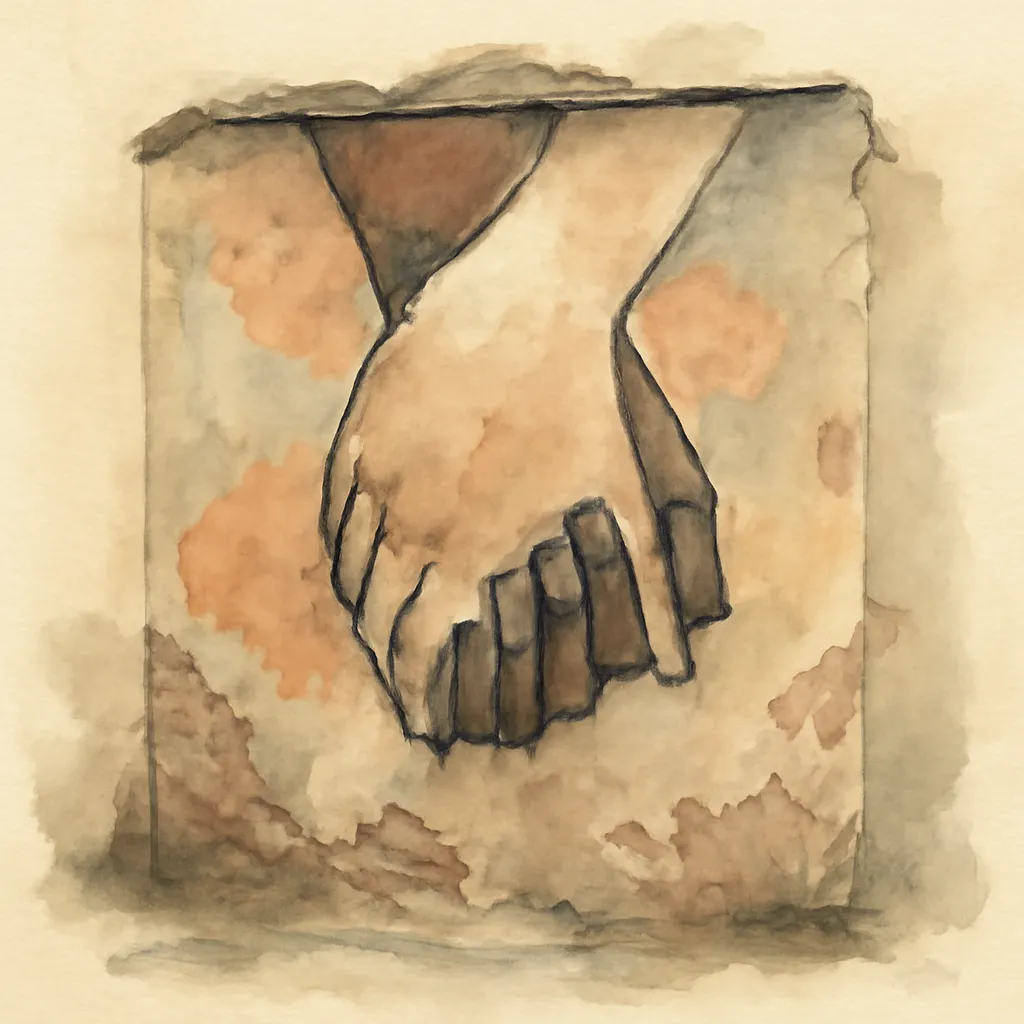
The racial dynamics in Clarendon Heights complicate the story. The Brothers’ faith in education and hard work is often met with institutional racism, while the Hallway Hangers’ whiteness does not guarantee privilege due to their class position. MacLeod’s nuanced portrayal challenges simplistic narratives about race and class, showing how both intersect to shape life chances in America.