

A glimpse inside
The Instability of Power
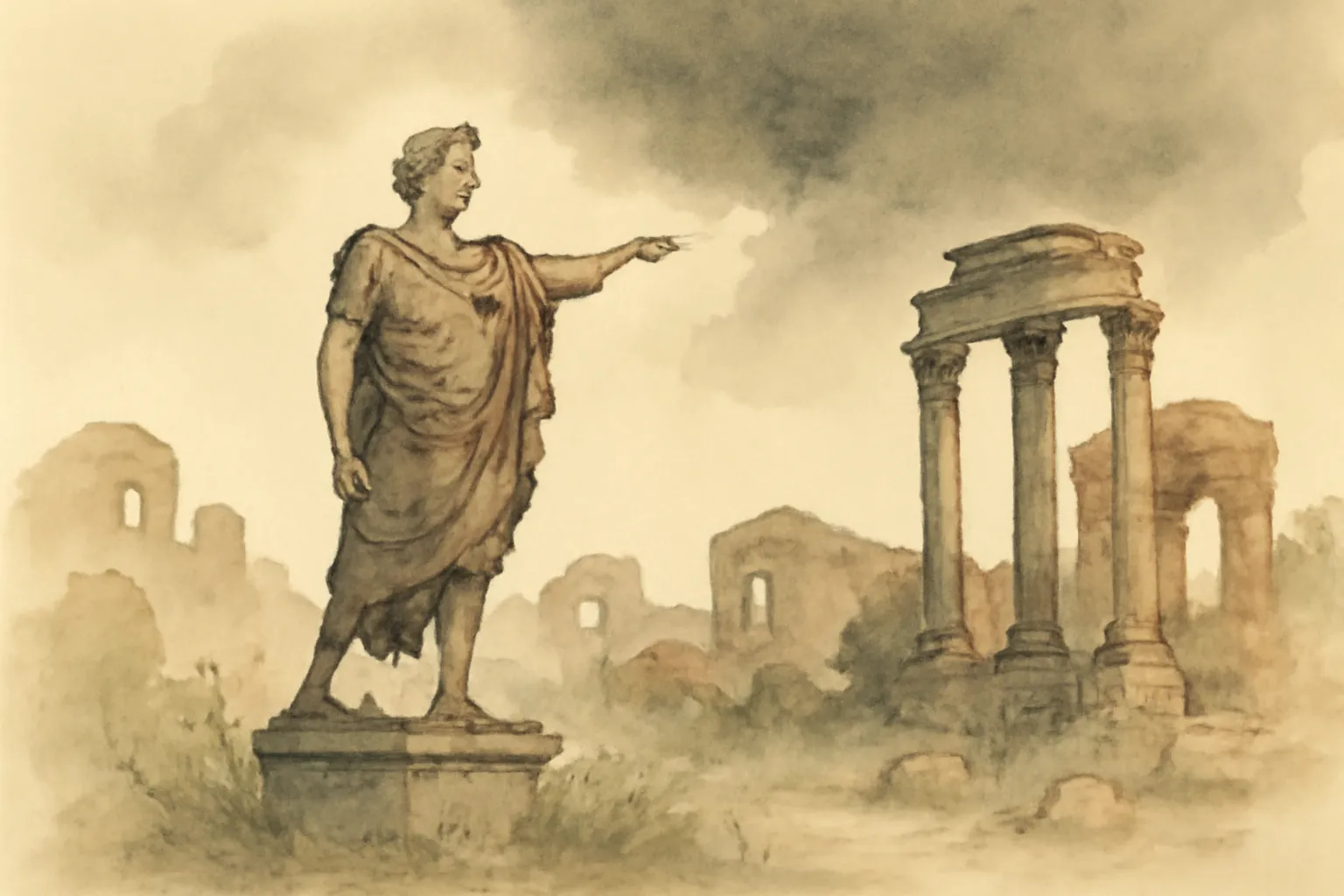
Tacitus vividly chronicles the ‘Year of the Four Emperors’ and the subsequent civil wars, exposing how quickly imperial authority could collapse. He shows that Rome’s stability was an illusion, easily shattered by personal ambition, factionalism, and military intervention. The Histories reveal how the lack of clear succession and the reliance on military loyalty made the empire vulnerable to chaos—an enduring lesson about the perils of unchecked power and the fragility of political systems.
The Corrosive Effects of Ambition
Ambition, for Tacitus, is both a driving force and a destructive impulse. Through his portraits of emperors like Galba, Otho, Vitellius, and Vespasian, he demonstrates how the quest for supreme power often leads to moral compromise, betrayal, and violence. Tacitus dissects the motivations of his characters, showing how personal desire can override public good, and how the pursuit of power often ends in ruin for both individuals and the state.
✦
Get smart in 3 min
6 key ideas, distilled
- 1The Instability of Power
- 2The Corrosive Effects of Ambition
- 3Moral Decay and Corruption
- 4The Role of the Military in Politics
- 5The Power of Narrative and Perspective
Popular quotes from Histories
“Rare happiness, when what is said and what is thought are the same.”
“They make a desert and call it peace.”
More by Tacitus


Frequently asked
Tacitus’ Histories: Power, Corruption, and Chaos in Imperial Rome