1.The Instability of Power
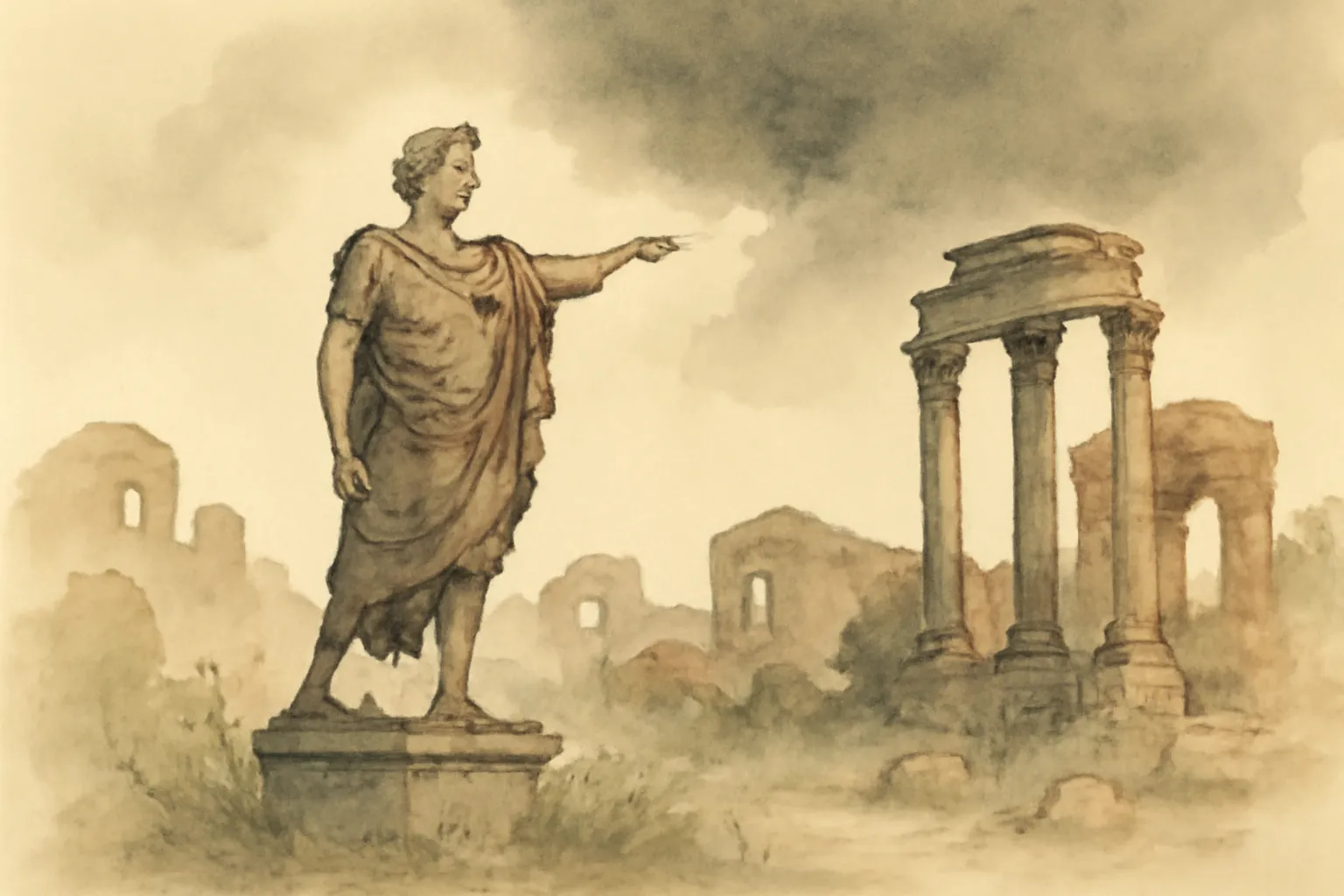
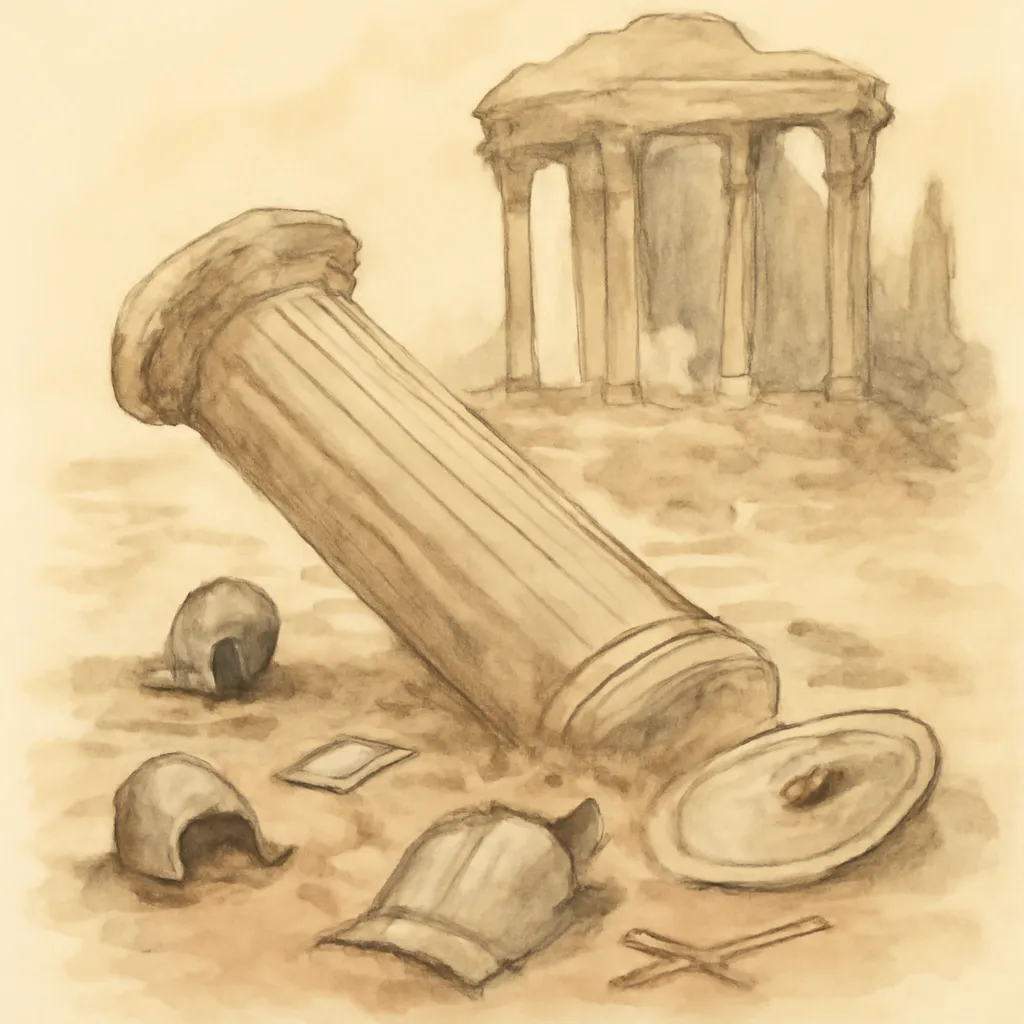
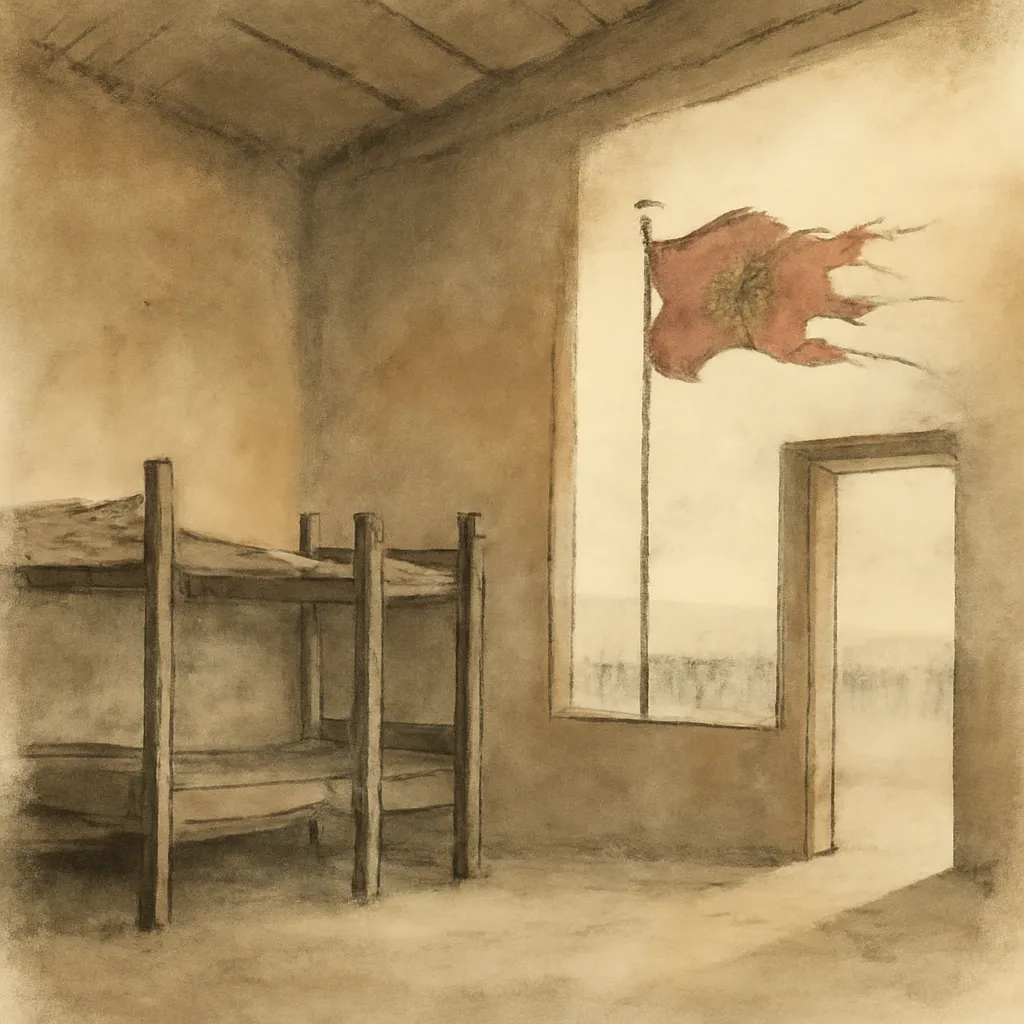
Tacitus vividly chronicles the ‘Year of the Four Emperors’ and the subsequent civil wars, exposing how quickly imperial authority could collapse. He shows that Rome’s stability was an illusion, easily shattered by personal ambition, factionalism, and military intervention. The Histories reveal how the lack of clear succession and the reliance on military loyalty made the empire vulnerable to chaos—an enduring lesson about the perils of unchecked power and the fragility of political systems.
2.The Corrosive Effects of Ambition
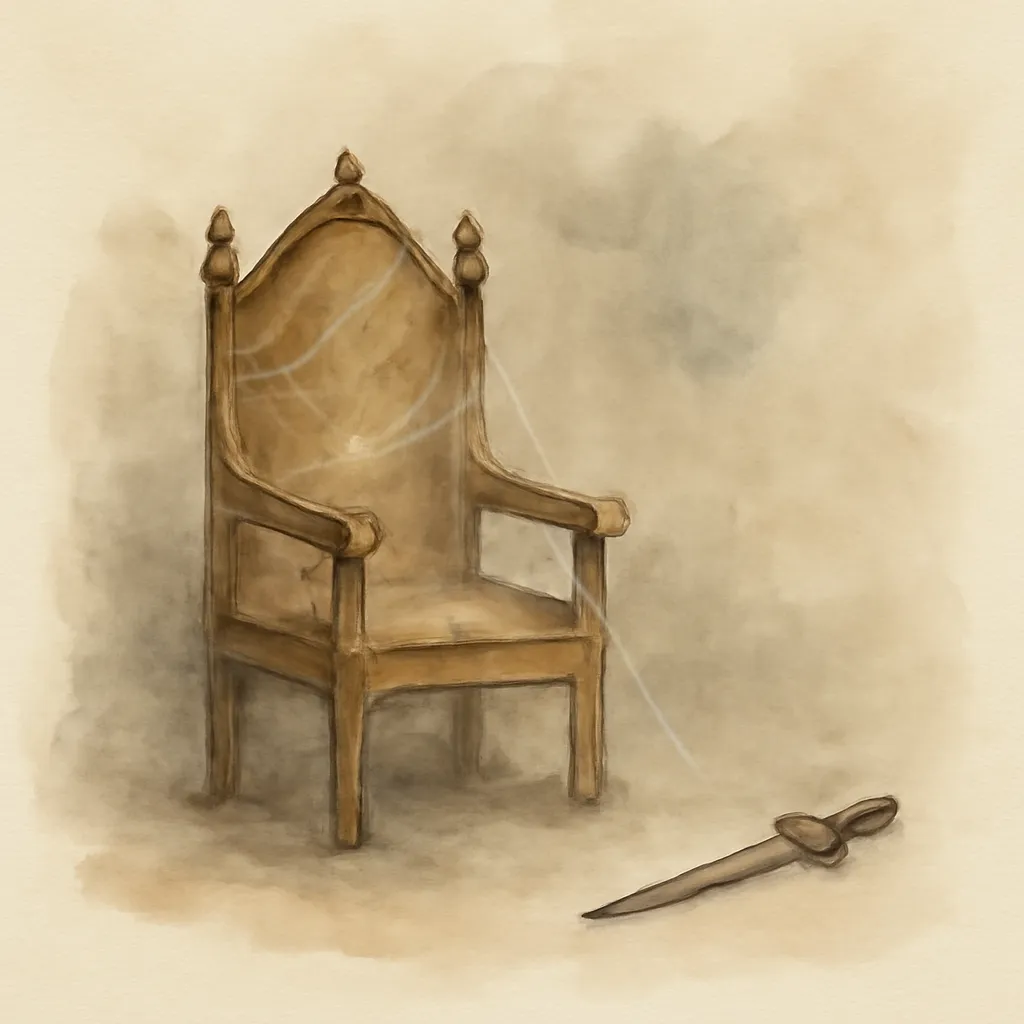
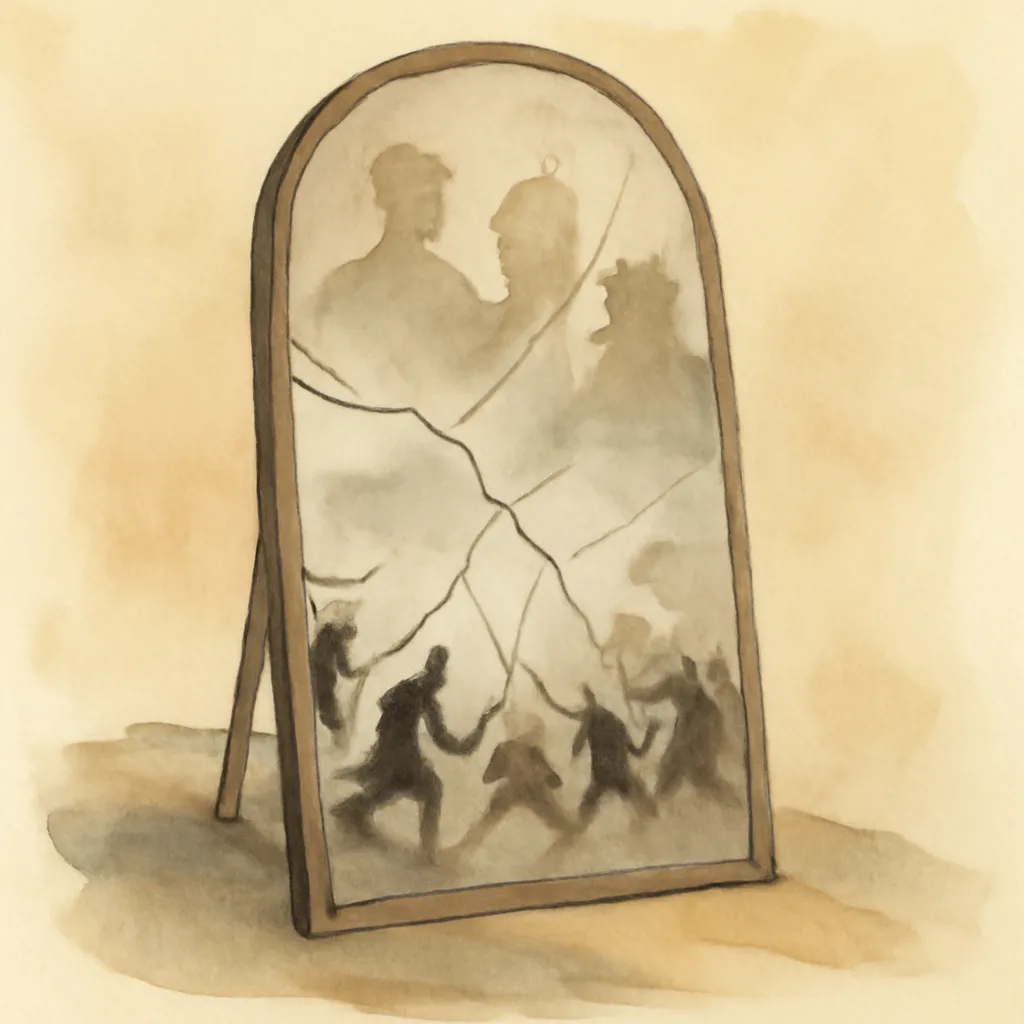
Ambition, for Tacitus, is both a driving force and a destructive impulse. Through his portraits of emperors like Galba, Otho, Vitellius, and Vespasian, he demonstrates how the quest for supreme power often leads to moral compromise, betrayal, and violence. Tacitus dissects the motivations of his characters, showing how personal desire can override public good, and how the pursuit of power often ends in ruin for both individuals and the state.
3.Moral Decay and Corruption
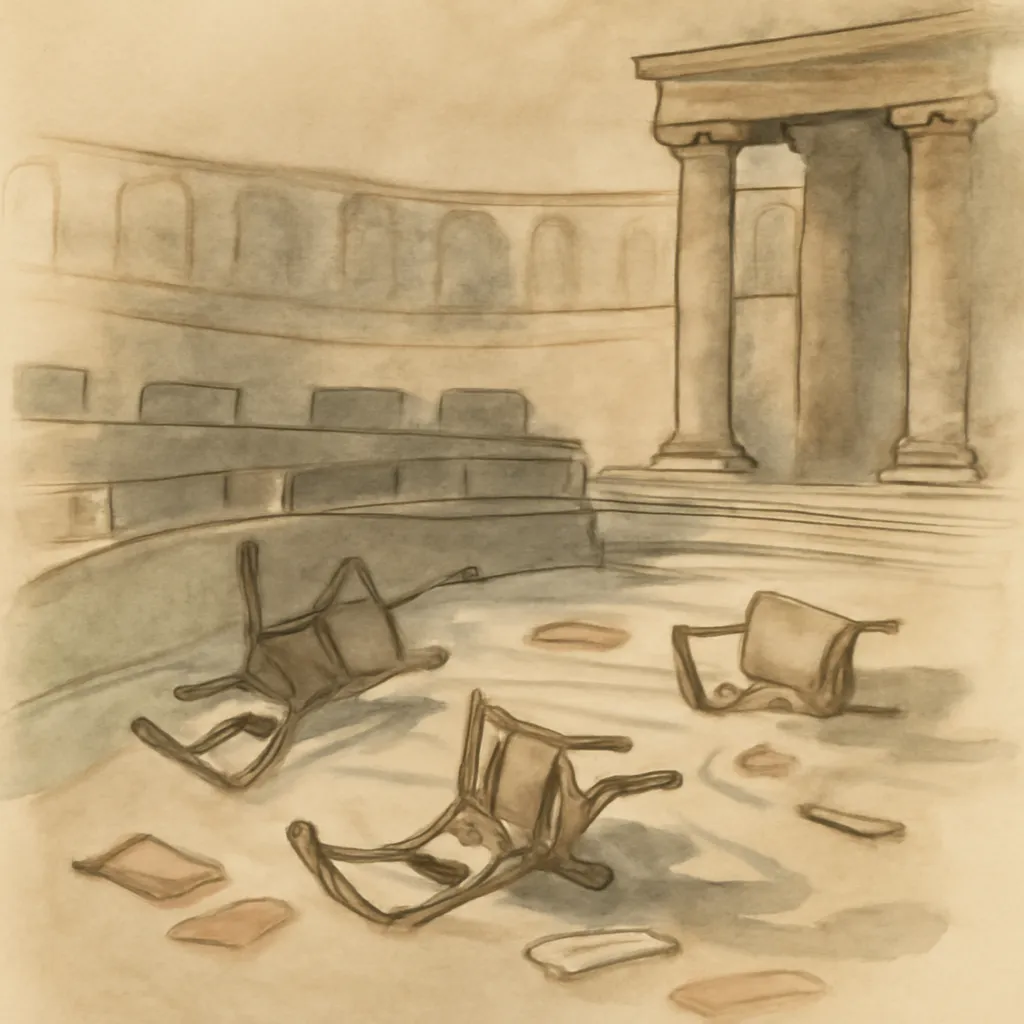
A central theme is the moral decline of Rome’s ruling class. Tacitus laments the loss of republican virtues—honesty, restraint, and civic duty—replaced by sycophancy, greed, and cruelty. He portrays a society where fear and opportunism dominate, and where the Senate and traditional institutions are increasingly sidelined. This critique is not just historical; Tacitus invites readers to reflect on the timeless dangers of corruption and the erosion of ethical standards in government.
4.The Role of the Military in Politics
Tacitus highlights how the Roman legions became kingmakers, with their allegiance determining the fate of emperors. The Histories detail how military loyalty could be bought, manipulated, or lost, and how soldiers’ interests often clashed with those of civilians. This dynamic leads to repeated coups, shifting alliances, and widespread instability—raising questions about the proper relationship between armed forces and civil authority that remain relevant in any era.
5.The Power of Narrative and Perspective
Tacitus is not a detached chronicler; his writing is marked by irony, skepticism, and psychological depth. He questions official accounts, scrutinizes motives, and often leaves judgments open-ended. This approach encourages readers to think critically about sources, propaganda, and the construction of history itself. Tacitus’ style—concise, vivid, and sometimes enigmatic—adds to the work’s enduring fascination and complexity.
6.Fate, Fortune, and Human Agency
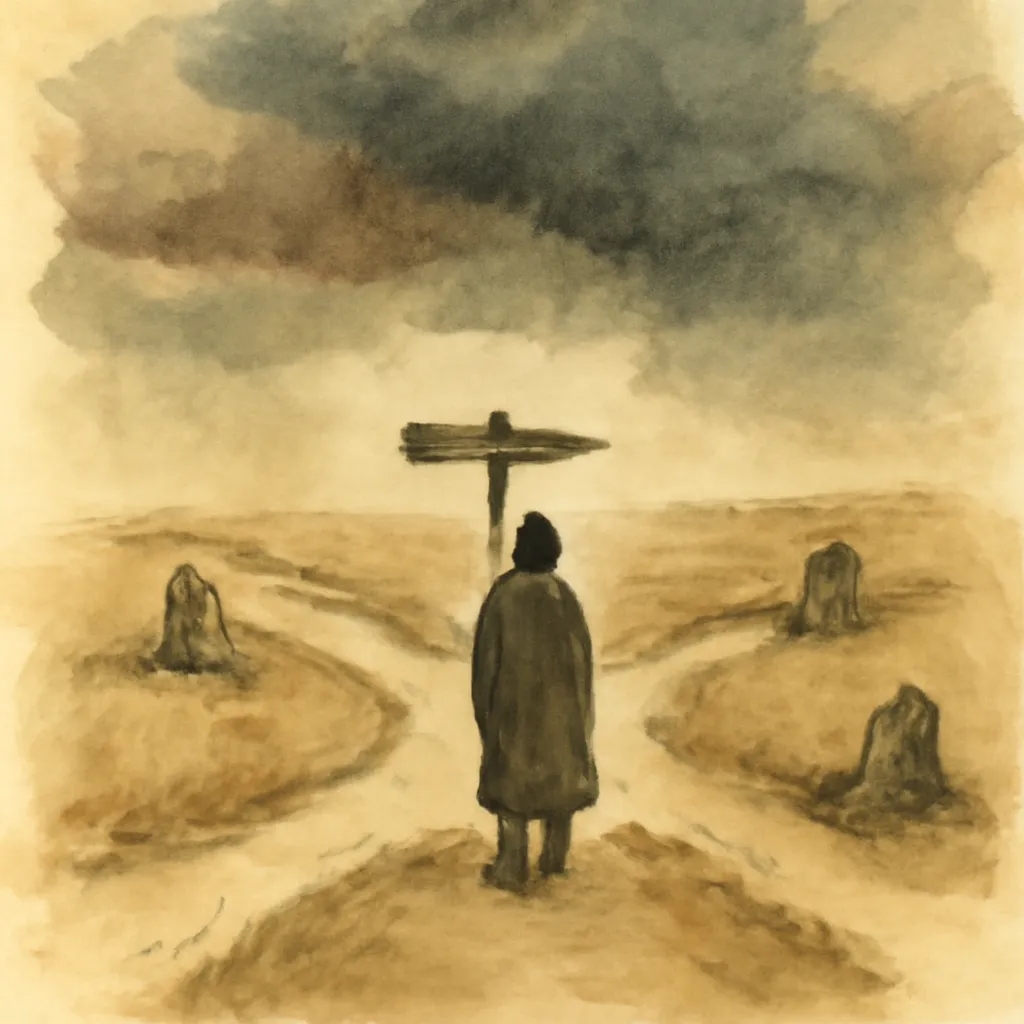
Throughout the Histories, Tacitus explores the interplay between fate and human action. While he acknowledges the role of chance and destiny, he also emphasizes the consequences of individual choices. His narrative suggests that history is shaped by both unpredictable events and the character (or failings) of those in power, offering a nuanced view of causality that avoids simplistic explanations.