Food · Cookery · Cooking & Food
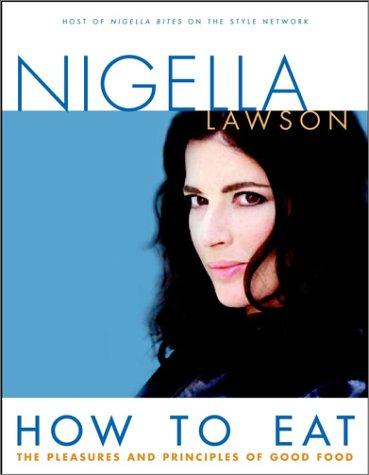
How to Eat by Nigella Lawson — Summary, Key Ideas & Quotes
1999500 pages✦ 3-min Big ideas
Rate it
"A chatty, sometimes cheeky, celebration of home-cooked meals."—USA TodayThrough her wildly popular television shows, her five bestselling cookbooks, her line of kitchenware, and her frequent media appearances, Nigella Lawson has emerged as one of the food world's most seductive personalities. How to Eat is the book that started it all—Nigella's signature, all-purposed cookbook, brimming with easygoing mealtime strategies and 350 mouthwatering recipes, from a truly sublime Tarragon French Roast Chicken to a totally decadent Chocolate Raspberry Pudding Cake. Here is Nigella's total (and totally irresistible) approach to food—the book that lays bare her secrets for finding pleasure in the simple things that we cook and eat every day."[Nigella] brings you into her life and tells you how she thinks about food, how meals come together in her head...and how she cooks for family and friends...A breakthrough...with hundreds of appealing and accessible recipes."—Amanda Hesser, The New York Times"Nigella Lawson serves up irony and sensuality with her comforting recipes."—Los Angeles Times"Nigella Lawson is, whisks down, Britain's funniest and sexiest food writer, a raconteur who is delicious whether detailing every step on the way towards a heavenly roast chicken and root vegetable couscous or explaining why 'cooking is not just about joining the dots.'"—Richard Story, Vogue magazine
Lawson reframes cooking from a chore into a deeply personal act of self-care and pleasure. She argues that the kitchen should be a place of relaxation and creativity, not anxiety or competition. By emphasizing the sensual aspects of cooking—the smells, textures, and tastes—she encourages readers to savor the process as much as the result. This approach demystifies home cooking, making it accessible and enjoyable for cooks of all skill levels.
A core tenet of How to Eat is the rejection of perfectionism and the embrace of 'good enough.' Lawson candidly shares her own kitchen mishaps and improvisations, advocating for flexibility and resourcefulness over rigid adherence to recipes. This philosophy empowers readers to trust their instincts, adapt to what they have, and find confidence in their own cooking style.
“Cooking is not about just joining the dots, following one recipe slavishly and then moving on to the next.”
“I have nothing against convenience, but I do have a problem with the idea that cooking is a chore.”