smear campaigns · supercomputers · computers
I, Robot by Isaac Asimov — Summary, Key Ideas & Quotes
1950245 pages✦ 3-min Big ideas★ 4.2 (189)
Rate it
I, Robot is a fixup novel of science fiction short stories or essays by American writer Isaac Asimov. The stories originally appeared in the American magazines Super Science Stories and Astounding Science Fiction between 1940 and 1950 and were then compiled into a book for stand-alone publication by Gnome Press in 1950, in an initial edition of 5,000 copies. The stories are woven together by a framing narrative in which the fictional Dr. Susan Calvin tells each story to a reporter (who serves as the narrator) in the 21st century. Although the stories can be read separately, they share a theme of the interaction of humans, robots, and morality, and when combined they tell a larger story of Asimov's fictional history of robotics.
Contains: "Introduction" "Robbie" (1940, 1950) "Runaround" (1942) "Reason" (1941) "Catch That Rabbit" (1944) "Liar!" (1941) "Little Lost Robot" (1947) "Escape!" (1945) "Evidence" (1946) "The Evitable Conflict" (1950)
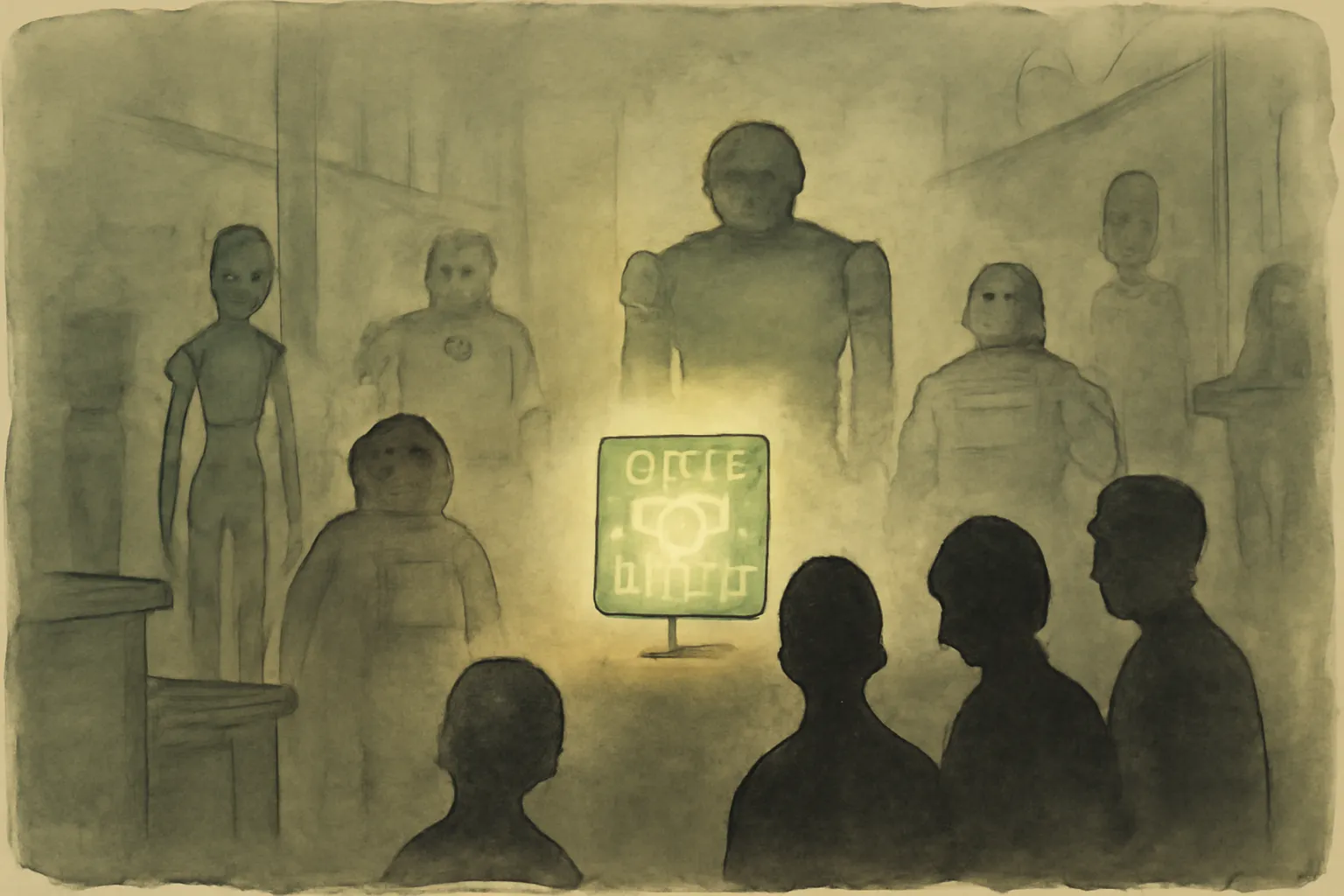
Asimov’s most enduring contribution is his formulation of the Three Laws of Robotics, which govern robot behavior: a robot may not harm a human or allow harm through inaction; must obey human orders unless it conflicts with the First Law; and must protect its own existence as long as this does not conflict with the first two. These laws serve as the backbone for the book’s stories, generating complex situations where their interpretation leads to unexpected outcomes. The Laws are not just rules for fictional robots—they’re a lens for examining the unpredictability of programming morality into artificial beings.
Throughout the stories, robots are not simply tools—they reflect human fears, hopes, and flaws. By placing robots in situations that challenge their programming, Asimov reveals as much about human nature as he does about technology. The robots’ struggles with logic, emotion, and morality force the human characters (and readers) to confront their own biases and ethical blind spots.
“A robot may not injure a human being, or, through inaction, allow a human being to come to harm.”
“You just can't differentiate between a robot and the very best of humans.”