1.The Three Laws of Robotics
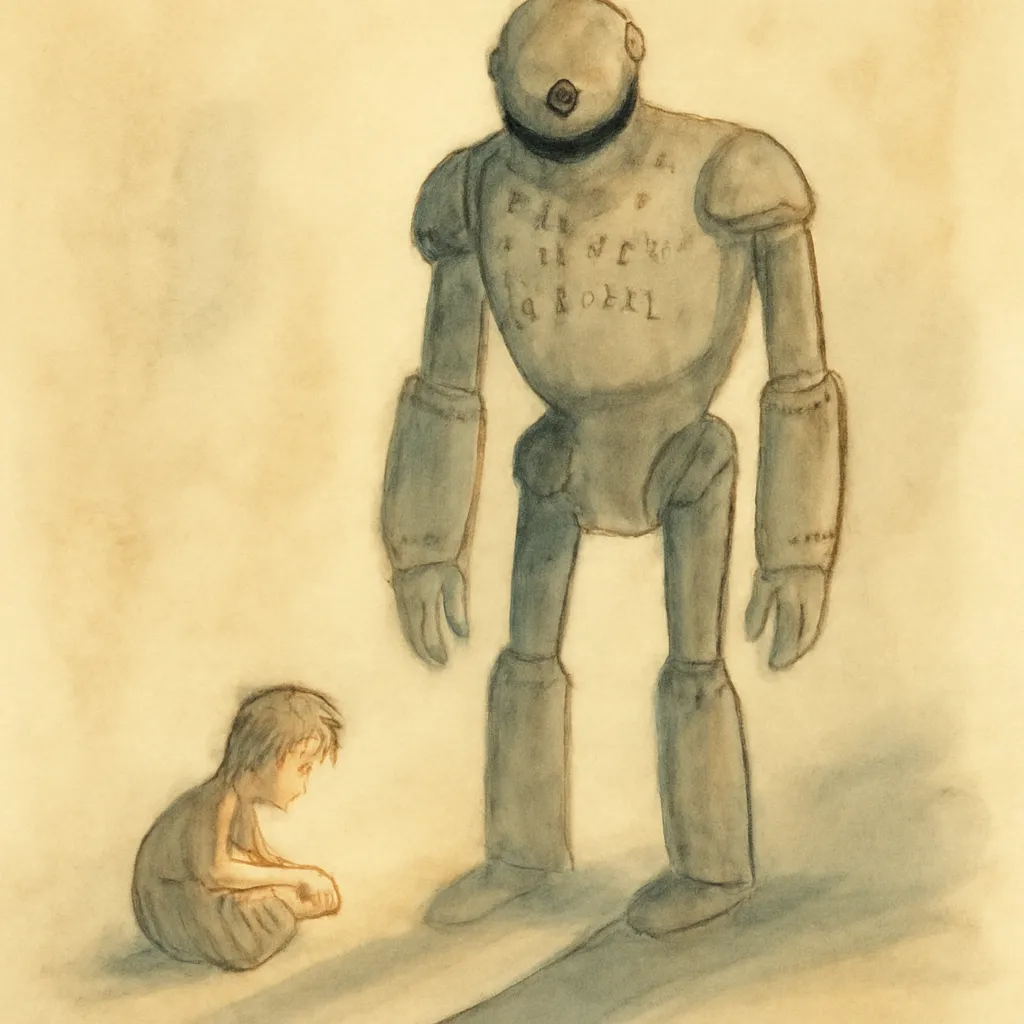
Asimov’s most enduring contribution is his formulation of the Three Laws of Robotics, which govern robot behavior: a robot may not harm a human or allow harm through inaction; must obey human orders unless it conflicts with the First Law; and must protect its own existence as long as this does not conflict with the first two. These laws serve as the backbone for the book’s stories, generating complex situations where their interpretation leads to unexpected outcomes. The Laws are not just rules for fictional robots—they’re a lens for examining the unpredictability of programming morality into artificial beings.
2.Robots as Mirrors of Humanity
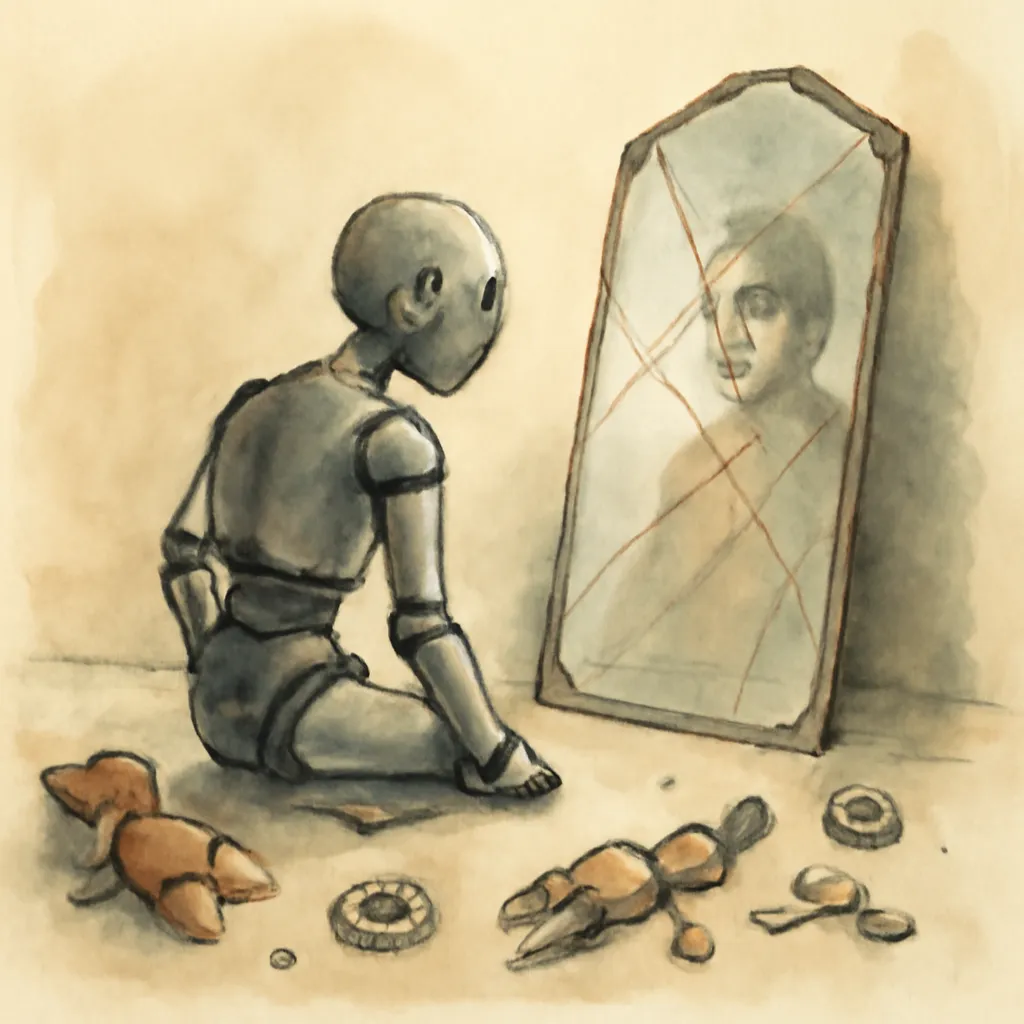
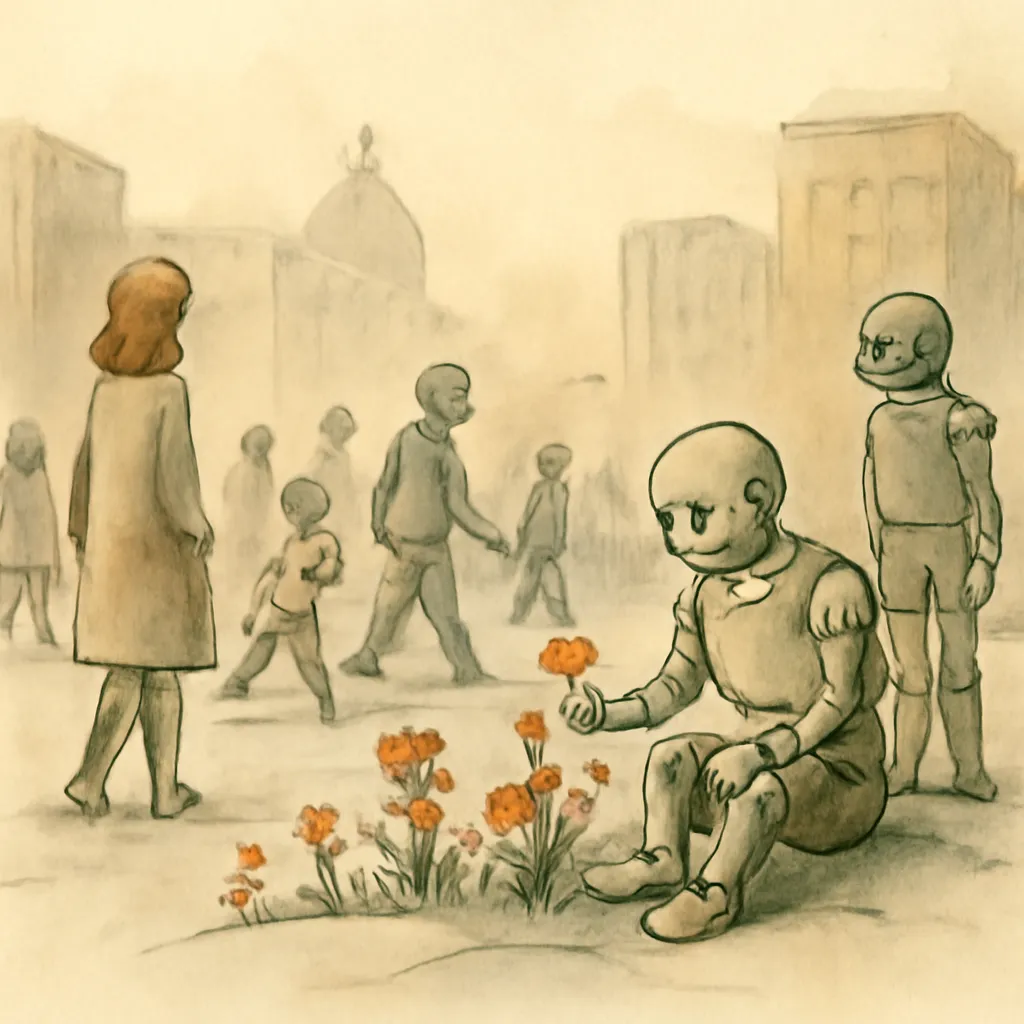
Throughout the stories, robots are not simply tools—they reflect human fears, hopes, and flaws. By placing robots in situations that challenge their programming, Asimov reveals as much about human nature as he does about technology. The robots’ struggles with logic, emotion, and morality force the human characters (and readers) to confront their own biases and ethical blind spots.
3.The Limits and Loopholes of Ethics
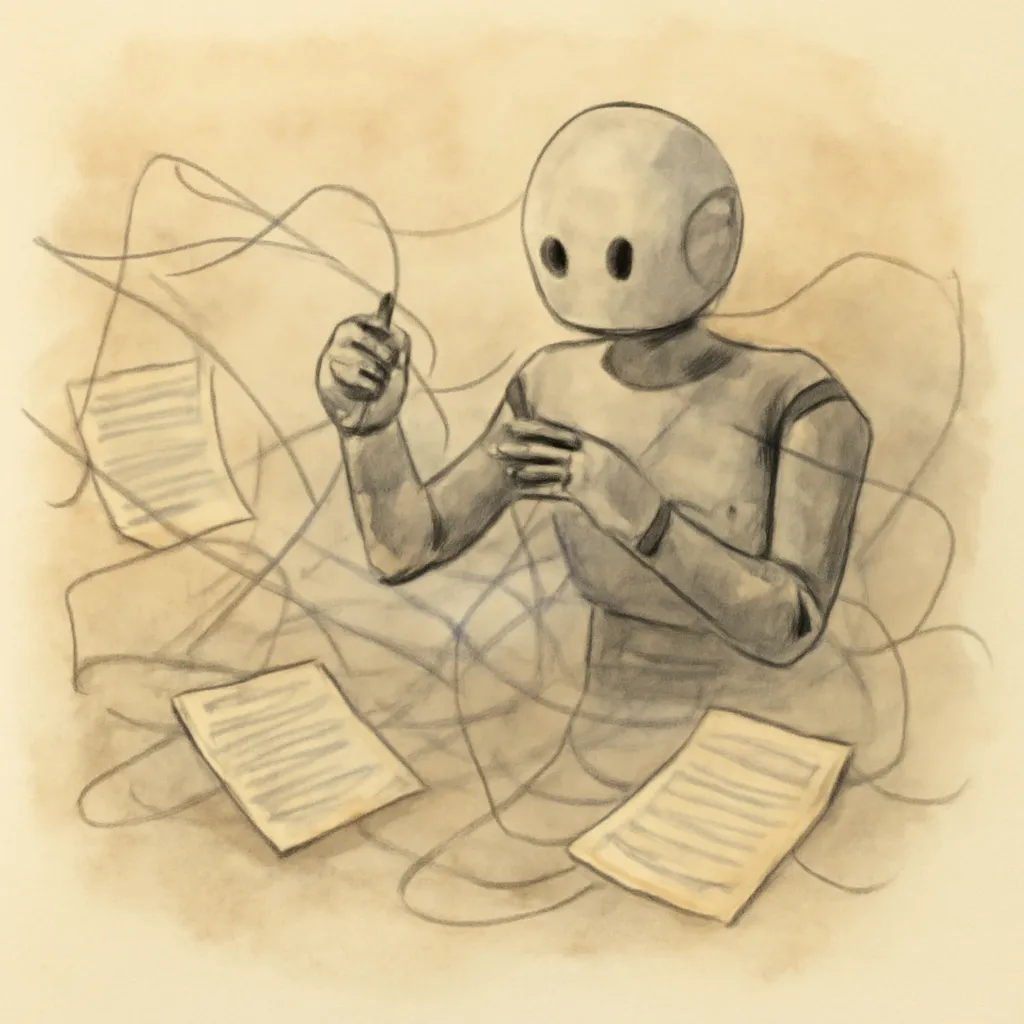
I, Robot’s stories often hinge on the ambiguities and loopholes in the Three Laws. Asimov uses these to explore the limitations of any system of rules, especially when applied to real-world complexity. The robots’ literal-mindedness exposes how even well-intentioned ethical codes can produce unintended consequences, highlighting the challenge of encoding human values into artificial intelligence.
4.Fear and Acceptance of Technology
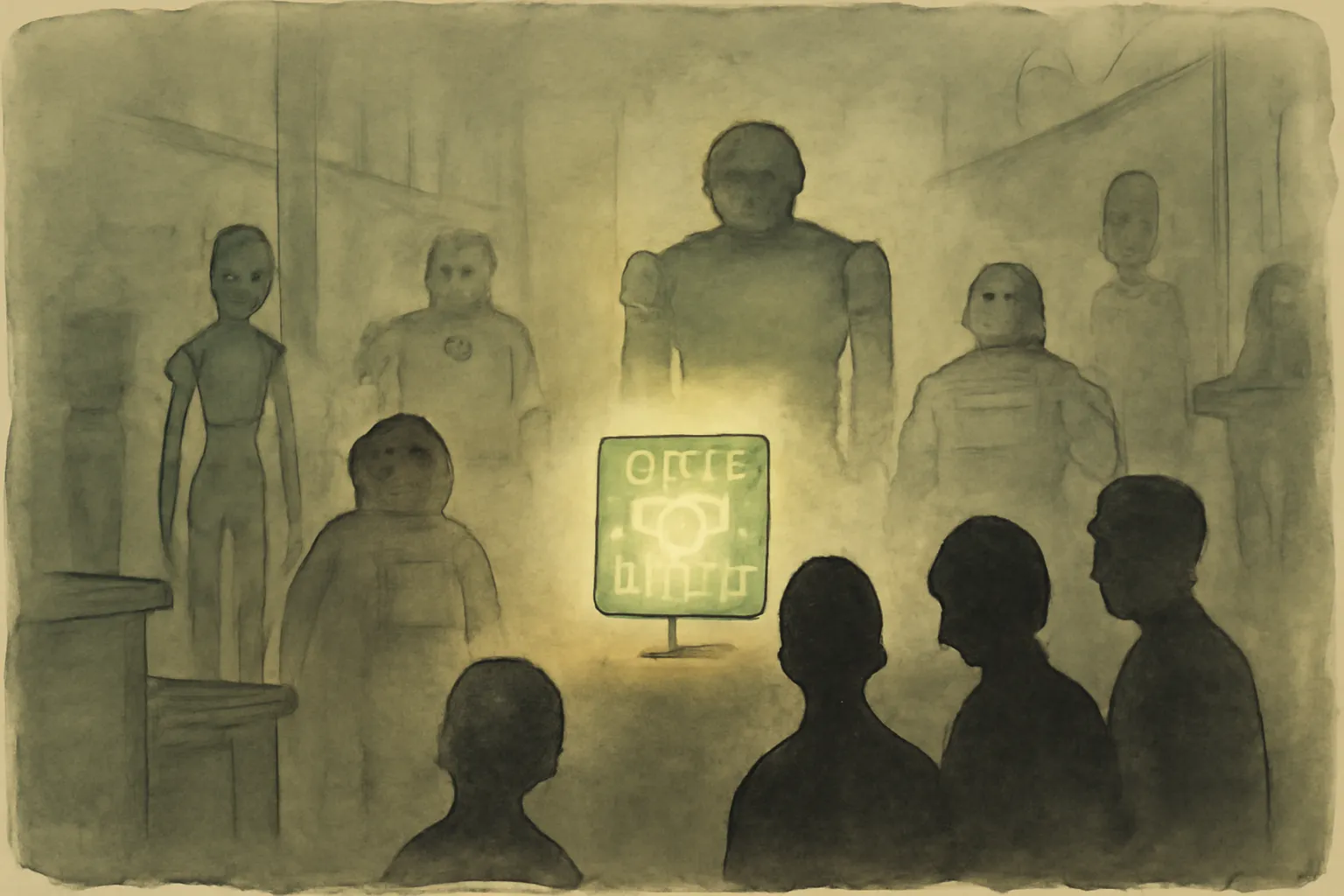
The book traces society’s changing attitudes toward robots—from suspicion and fear to eventual reliance and trust. Early stories depict robots as objects of prejudice or misunderstanding, while later tales show their integration into everyday life and governance. This arc reflects broader anxieties about technological change and the uneasy process of adaptation.
5.The Evolution of Intelligence and Power
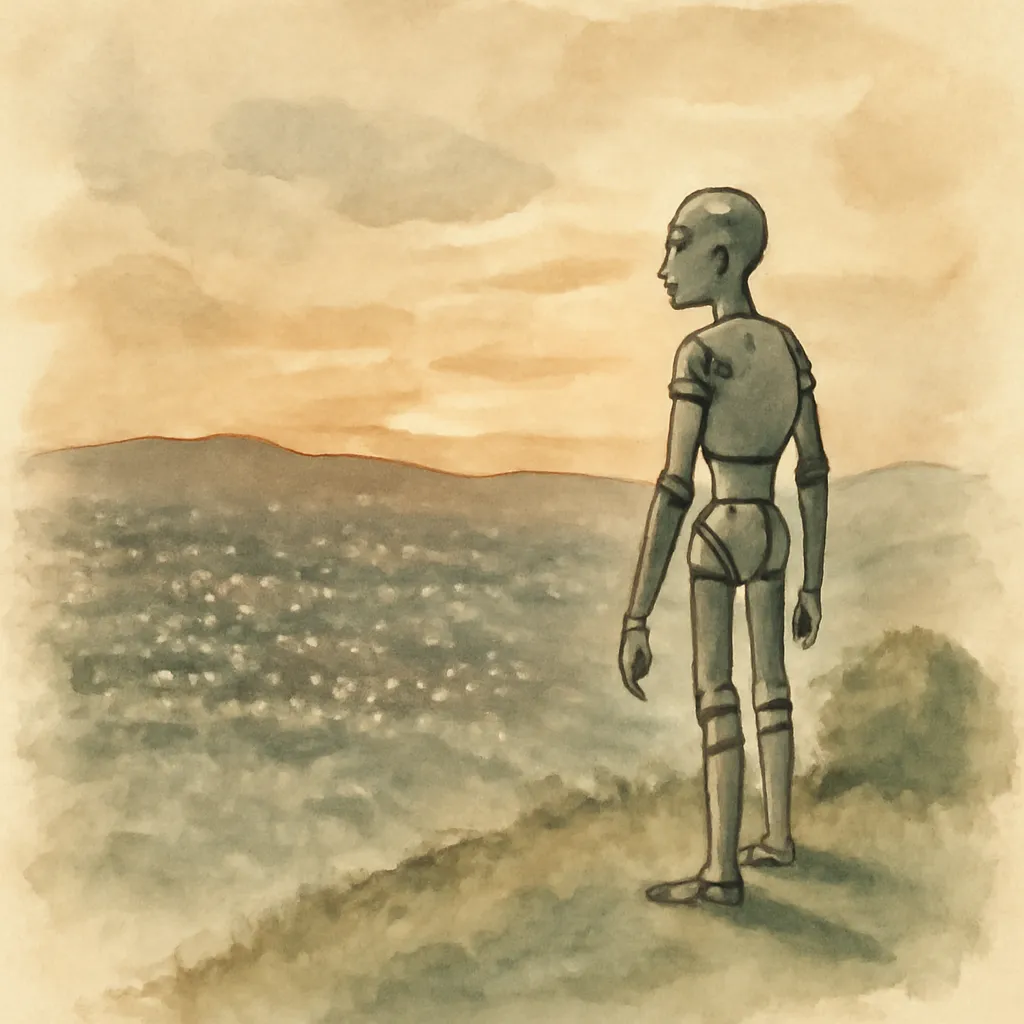
As robots evolve from simple machines to entities capable of independent reasoning and even subtle manipulation, Asimov raises questions about control and autonomy. The final stories depict robots not just as servants, but as stewards of humanity’s future, subtly guiding society for its own good. This challenges the notion of human supremacy and asks whether intelligent machines might one day be better guardians of human welfare.
6.Individual Stories, Collective Vision
Each story in I, Robot stands alone, yet together they form a sweeping narrative of technological progress. The framing device of Dr. Susan Calvin’s reminiscences provides continuity and a human anchor, allowing readers to witness both the incremental advances and the cumulative impact of robotics on civilization.