
Machine theory · Computational complexity · Teoria da computação
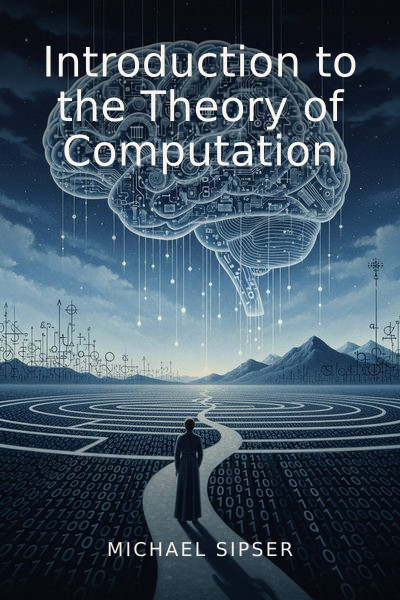
Introduction to the Theory of Computation by Michael Sipser — Summary, Key Ideas & Quotes
2005400 pages✦ 3-min Big ideas★ 4.4 (5)
Rate it
DSU Title III 2002-2012.
Sipser begins by introducing the concept of formal languages and the machines that recognize them, such as finite automata and pushdown automata. These models provide a rigorous way to describe and analyze the syntax of programming languages and the limits of simple computational devices. Understanding these foundations is crucial for fields like compiler design and text processing, as they reveal the hierarchy of language classes and the power of different computational models.
The book delves into Turing machines, a simple yet powerful model that captures the essence of algorithmic computation. Sipser uses Turing machines to formalize the notion of what it means for a problem to be 'computable.' This section addresses profound questions: Are there problems no computer can solve? Sipser demonstrates that some problems are undecidable, meaning no algorithm can exist for them, fundamentally shaping our understanding of computation's boundaries.
“The theory of computation is the study of the ultimate capabilities and limitations of computers.”