1.Formal Languages and Automata
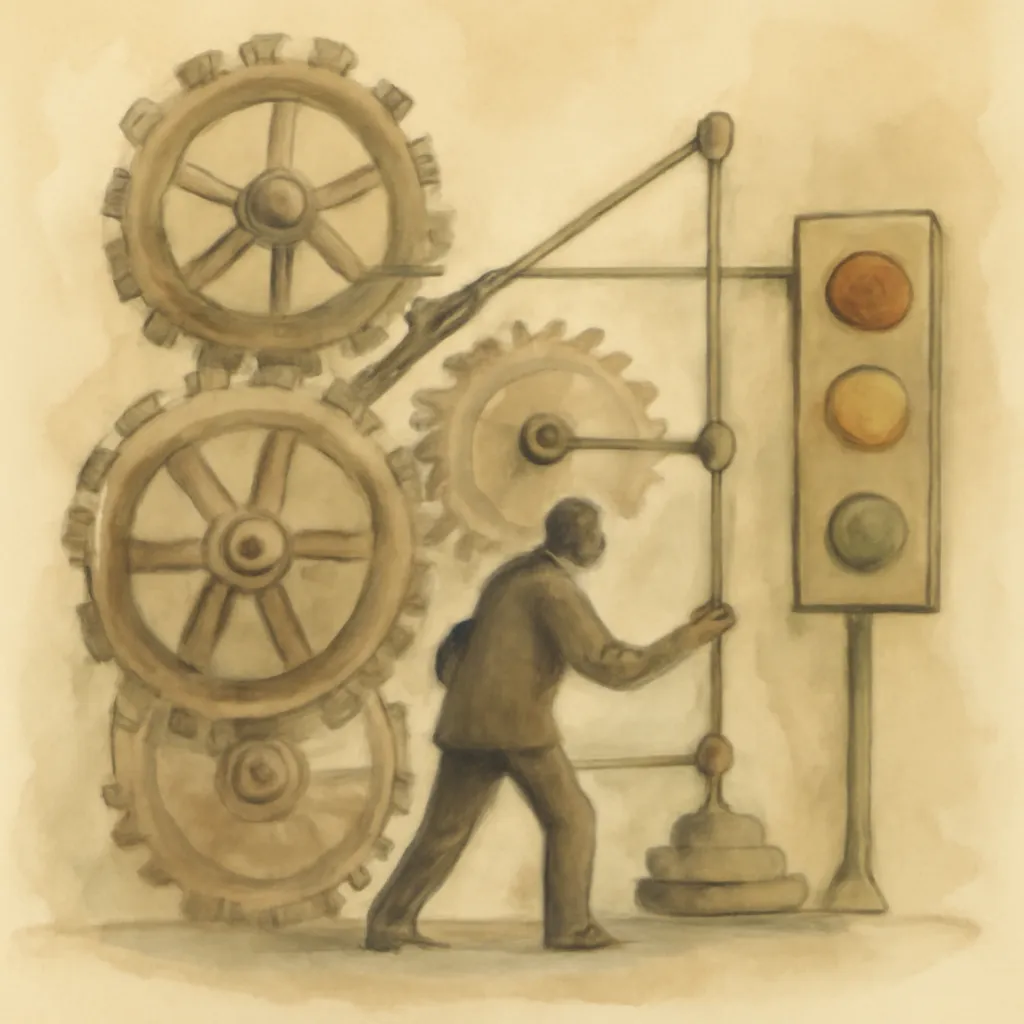
Sipser begins by introducing the concept of formal languages and the machines that recognize them, such as finite automata and pushdown automata. These models provide a rigorous way to describe and analyze the syntax of programming languages and the limits of simple computational devices. Understanding these foundations is crucial for fields like compiler design and text processing, as they reveal the hierarchy of language classes and the power of different computational models.
2.Turing Machines and Computability
The book delves into Turing machines, a simple yet powerful model that captures the essence of algorithmic computation. Sipser uses Turing machines to formalize the notion of what it means for a problem to be 'computable.' This section addresses profound questions: Are there problems no computer can solve? Sipser demonstrates that some problems are undecidable, meaning no algorithm can exist for them, fundamentally shaping our understanding of computation's boundaries.
3.Church-Turing Thesis and Its Implications
A central philosophical idea explored is the Church-Turing Thesis, which posits that any computation performable by an algorithm can be carried out by a Turing machine. While not a formal theorem, this thesis underpins much of theoretical computer science. Sipser discusses its implications, encouraging readers to reflect on the nature of algorithms, computation, and the universality of the Turing machine model.
4.Complexity Theory and the P vs NP Problem
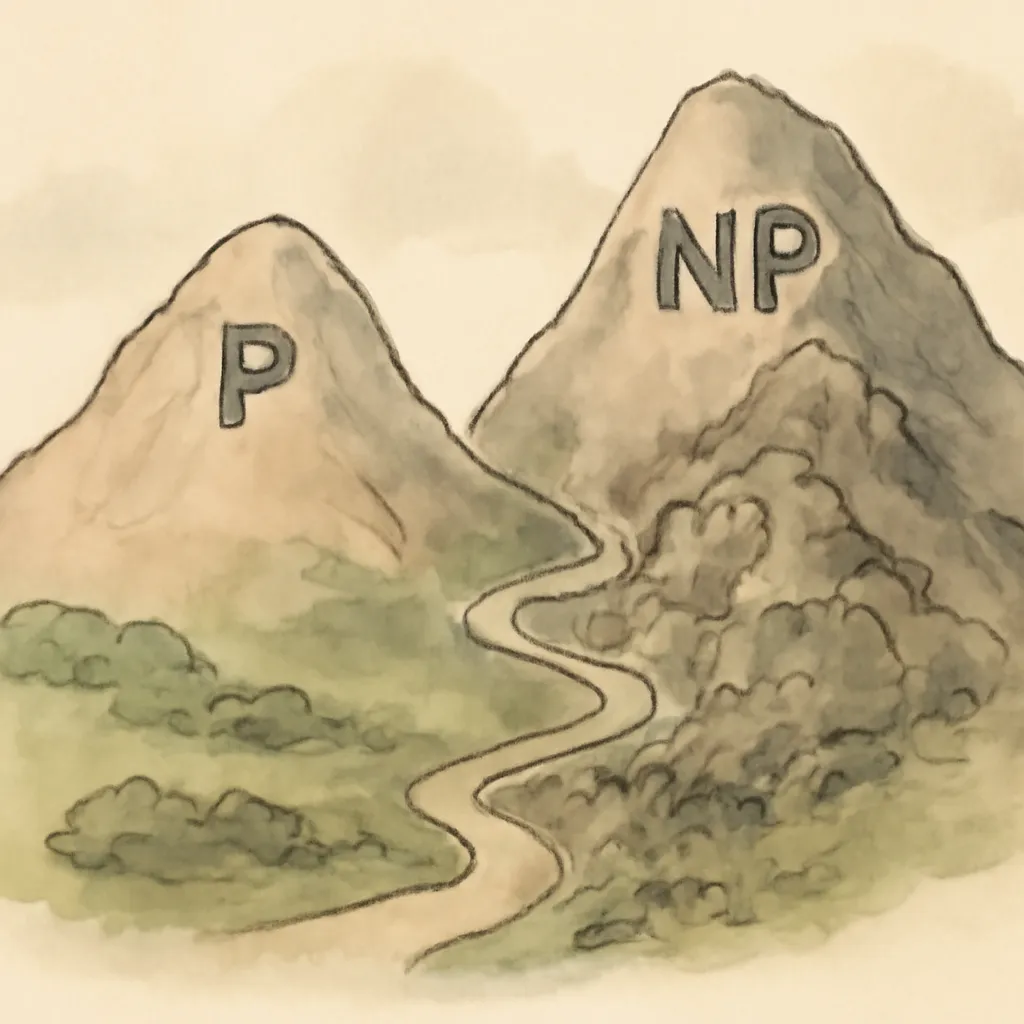
The latter part of the book introduces computational complexity, focusing on how efficiently problems can be solved. Sipser explains the classes P and NP, and the famous P vs NP question: Can every problem whose solution can be quickly verified also be quickly solved? This open problem is one of the most critical in computer science, with vast implications for cryptography, optimization, and beyond. Sipser's exposition clarifies why some problems are 'hard' and what that means for real-world computing.
5.Reductions and the Power of Proof
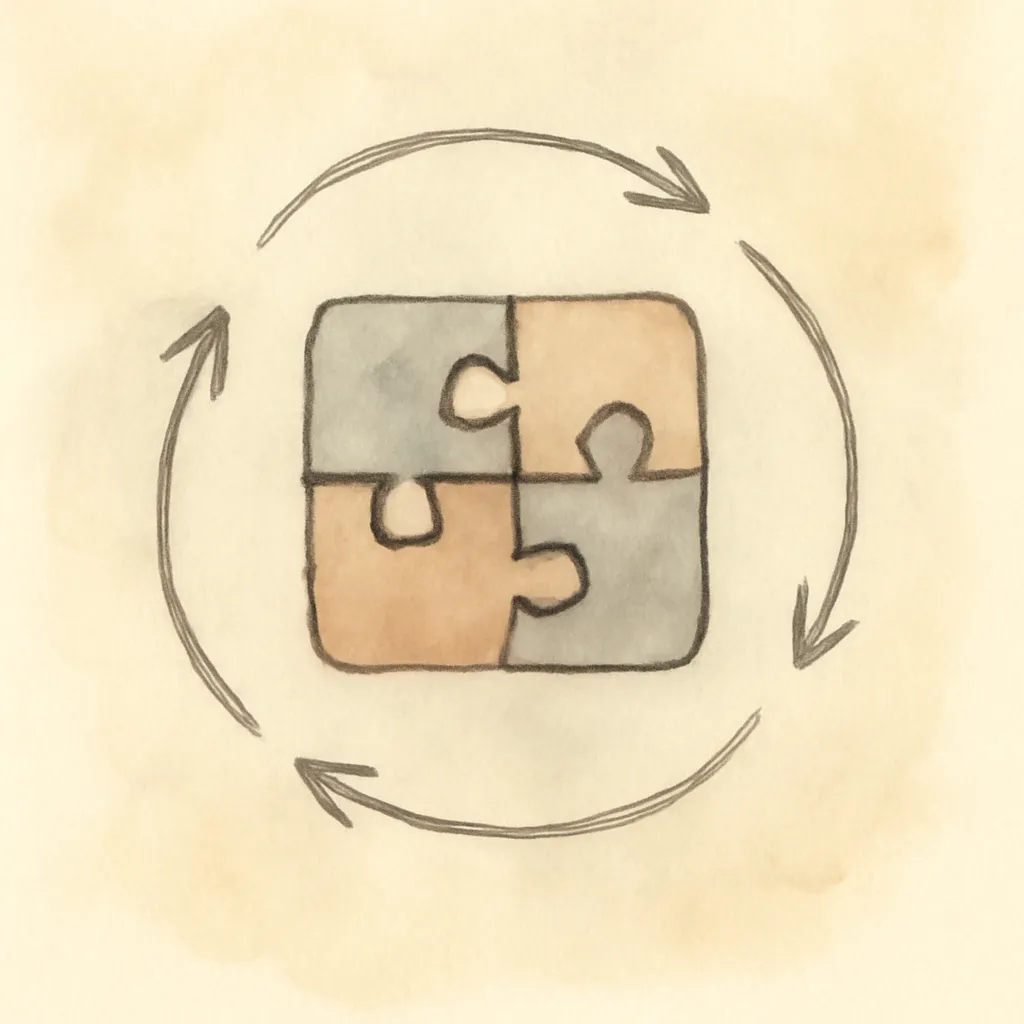
A powerful technique in the theory of computation is reduction: showing that one problem is at least as hard as another by transforming instances of one into the other. Sipser makes this concept accessible, illustrating how reductions help categorize problems and prove their inherent difficulty. This approach is essential for understanding NP-completeness and for reasoning about what problems are tractable or intractable.
6.Elegance and Rigor in Mathematical Reasoning
Beyond technical content, Sipser emphasizes the importance of clear, elegant proofs and rigorous reasoning. The book is celebrated for its accessible style, careful explanations, and attention to intuition as well as formalism. This focus not only aids comprehension but also models the kind of thinking that distinguishes theoretical computer science.