

Physiology · Internal medicine · Brain
Livewired by David Eagleman — Summary, Key Ideas & Quotes
2020320 pages✦ 3-min Big ideas★ 4.3 (3)
Rate it
“Vivid. . . . Livewired reads wonderfully, like what a book would be if it were written by Oliver Sacks and William Gibson, sitting on Carl Sagan’s front lawn.” —The Wall Street Journal What does drug withdrawal have in common with a broken heart? Why is the enemy of memory not time but other memories? How can a blind person learn to see with her tongue, or a deaf person learn to hear with his skin? Might we someday control a robot with our thoughts, just as we do our fingers and toes? Why do we dream at night, and what does that have to do with the rotation of the earth? The answers to these questions are right behind our eyes. The greatest technology we have ever discovered on our planet is the three-pound organ carried in the vault of the skull. The magic of the brain is not found in the parts it’s made of but in the way those parts unceasingly reweave themselves in an electric, living fabric. In Livewired, you will surf the leading edge of neuroscience atop the anecdotes and metaphors that have made David Eagleman one of the best scientific translators of our generation. Covering decades of research to the present day, Livewired also presents new discoveries from Eagleman’s own laboratory, from synesthesia to dreaming to wearable neurotech devices that revolutionize how we think about the senses.
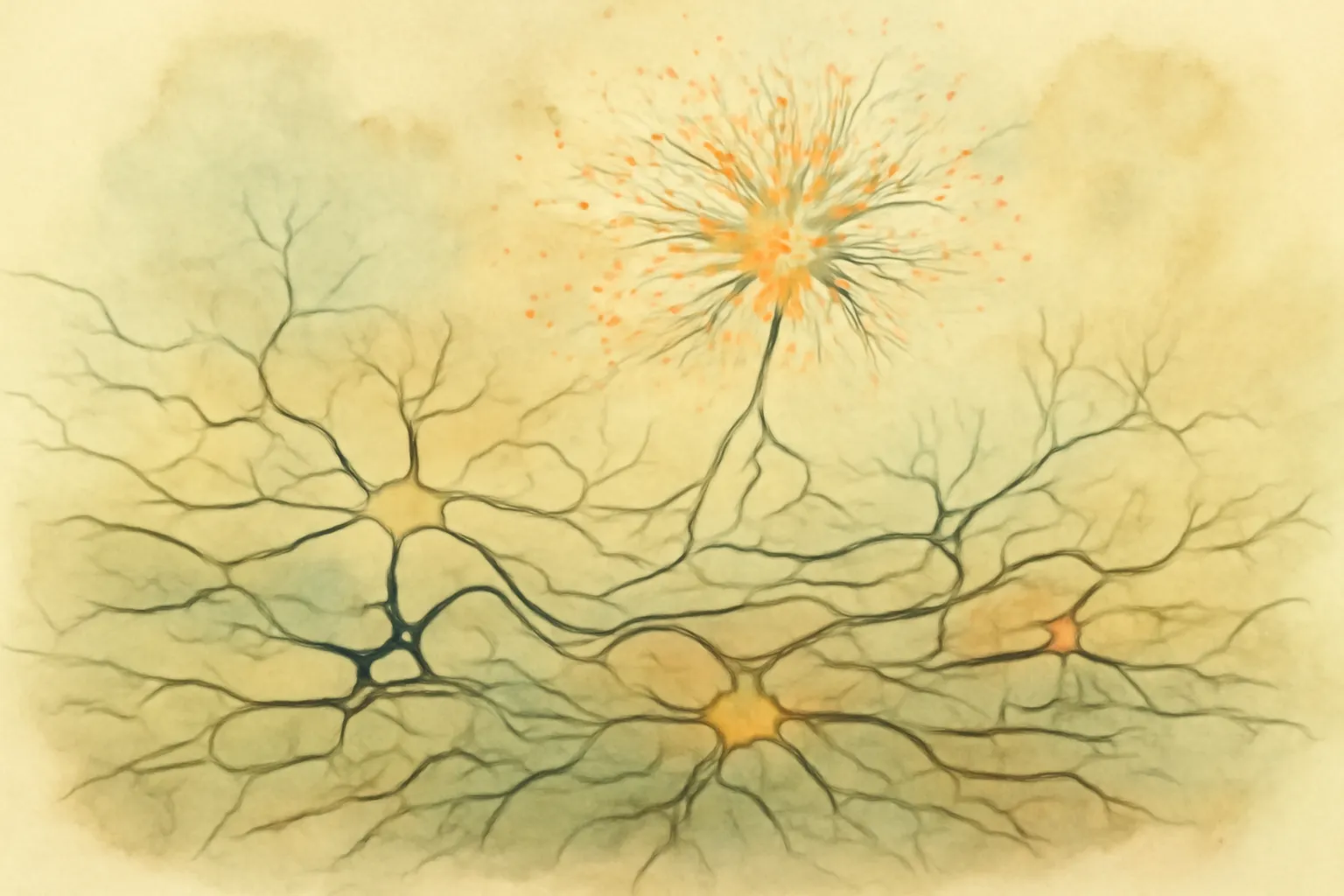
Eagleman challenges the traditional view of the brain as a static, pre-programmed organ. Instead, he argues that the brain is 'livewired'—constantly adapting its circuitry in response to sensory input, experience, and even injury. This flexibility is not just a feature but the defining property of our neural tissue, enabling us to learn languages, recover from trauma, and adjust to new technologies or environments.
One of the book’s most striking themes is the brain’s ability to repurpose itself. Eagleman describes cases where blind individuals learn to 'see' through their tongues or deaf people 'hear' through their skin, using sensory substitution devices. These examples illustrate neuroplasticity—the brain’s capacity to assign new functions to different regions, often in surprising and innovative ways.
“The brain is not hardwired, it is livewired.”
“The enemy of memory is not time; it’s other memories.”

