1.The Brain as 'Livewired', Not Hardwired
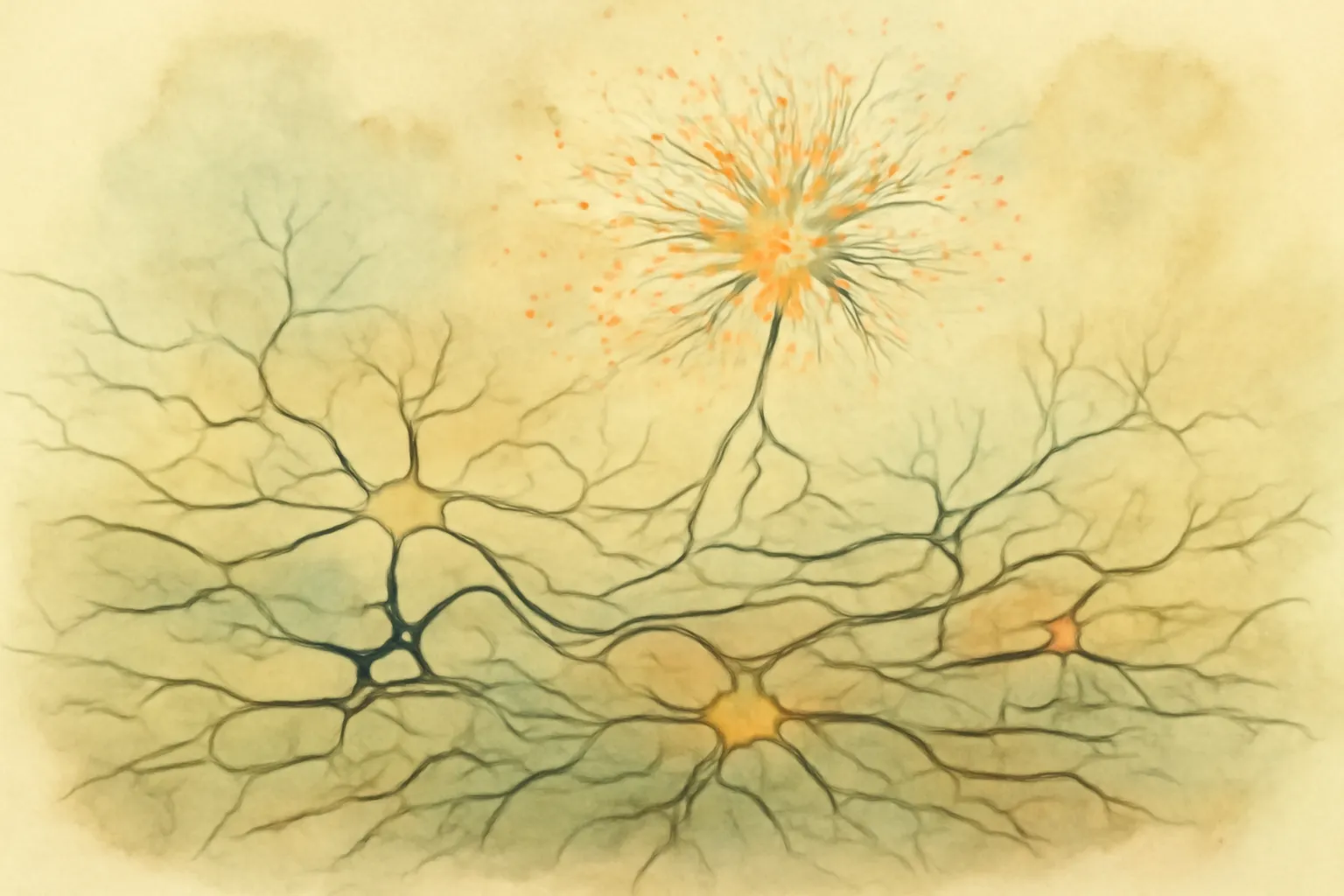
Eagleman challenges the traditional view of the brain as a static, pre-programmed organ. Instead, he argues that the brain is 'livewired'—constantly adapting its circuitry in response to sensory input, experience, and even injury. This flexibility is not just a feature but the defining property of our neural tissue, enabling us to learn languages, recover from trauma, and adjust to new technologies or environments.
2.Sensory Substitution and Neuroplasticity
One of the book’s most striking themes is the brain’s ability to repurpose itself. Eagleman describes cases where blind individuals learn to 'see' through their tongues or deaf people 'hear' through their skin, using sensory substitution devices. These examples illustrate neuroplasticity—the brain’s capacity to assign new functions to different regions, often in surprising and innovative ways.
3.Competition and Reallocation in the Brain
Eagleman explains that brain regions are in constant competition for neural real estate. When one sense is lost, the corresponding brain area doesn’t go dormant; instead, it’s quickly recruited for other tasks. This dynamic reallocation underlies both the brain’s vulnerabilities (as in addiction or trauma) and its resilience (as in recovery or adaptation).
4.Memory as a Dynamic Process
Contrary to the idea of memory as a static storehouse, Eagleman describes it as a living, ever-changing process. Memories are continually rewritten and reinterpreted, influenced by new experiences and competing recollections. This explains why memory is both powerful and unreliable, and why the enemy of memory is not time, but interference from other memories.
5.The Interface of Brain and Technology
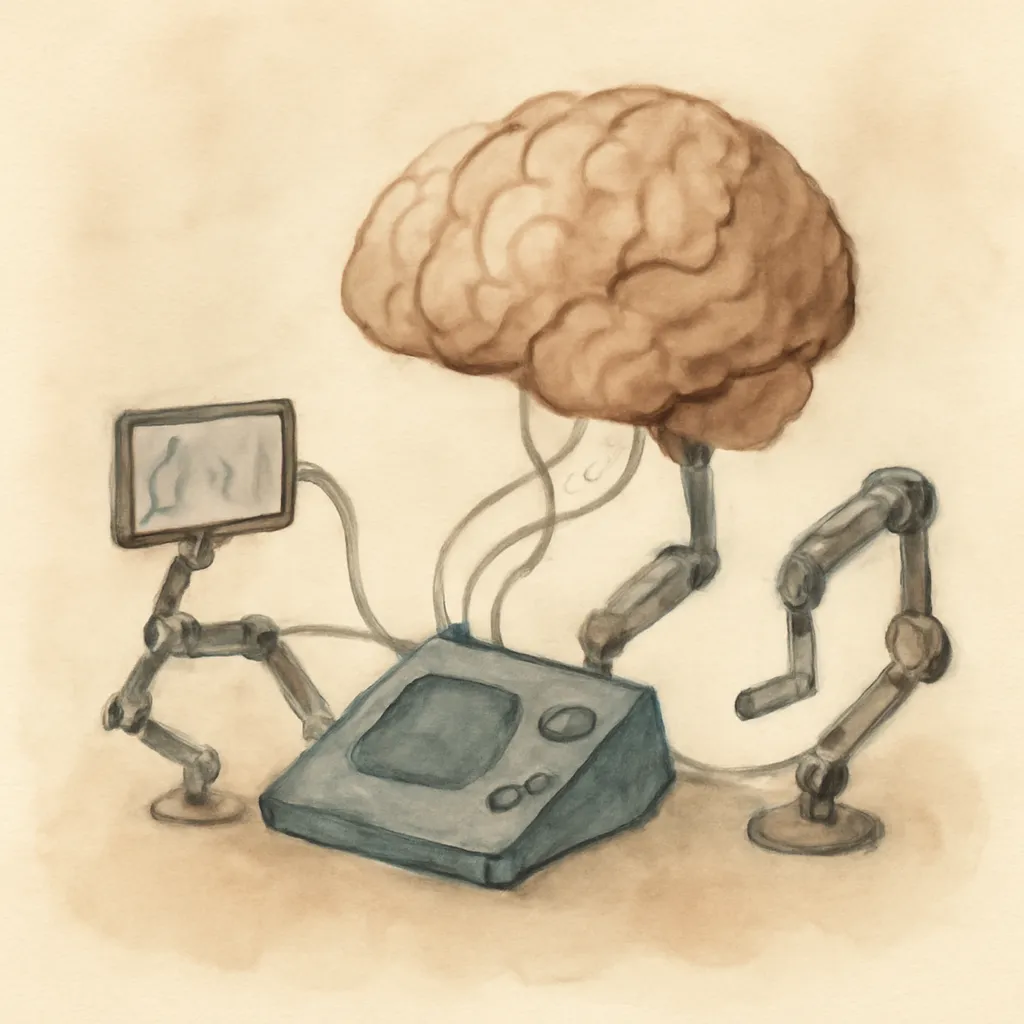
Livewired explores the frontier where neuroscience meets technology, including brain-computer interfaces and the possibility of controlling external devices with our minds. Eagleman envisions a future where the brain’s adaptability could let us seamlessly integrate new senses or tools, blurring the boundaries between biology and technology.
6.Why We Dream and the Brain’s Nightly Maintenance
Eagleman offers a novel hypothesis on dreaming: that dreams serve as a nightly maintenance program, keeping the visual cortex active during sleep to prevent it from being taken over by other senses. This evolutionary perspective ties the function of dreaming to the earth’s rotation and the cycles of light and darkness.