Mere Christianity by C.S. Lewis — Summary, Key Ideas & Quotes
2020189 pages✦ 3-min Big ideas
Rate it
Mere Christianity is C.S. Lewis's forceful and accessible doctrine of Christian belief. First heard as informal radio broadcasts and then published as three separate books - The Case for Christianity, Christian Behavior, and Beyond Personality - Mere Christianity brings together what Lewis saw as the fundamental truths of the religion. Rejecting the boundaries that divide Christianity's many denominations, C.S. Lewis finds a common ground on which all those who have Christian faith can stand together, proving that "at the centre of each there is something, or a Someone, who against all divergences of belief, all differences of temperament, all memories of mutual persecution, speaks the same voice."
Lewis begins by arguing that all humans share an innate sense of right and wrong—a 'moral law' that transcends culture and upbringing. He contends that this universal moral compass points to something beyond mere social convention, suggesting the existence of a higher moral authority. This idea forms the foundation for his case that there is more to reality than the material world, and that this 'something more' is central to understanding Christianity.
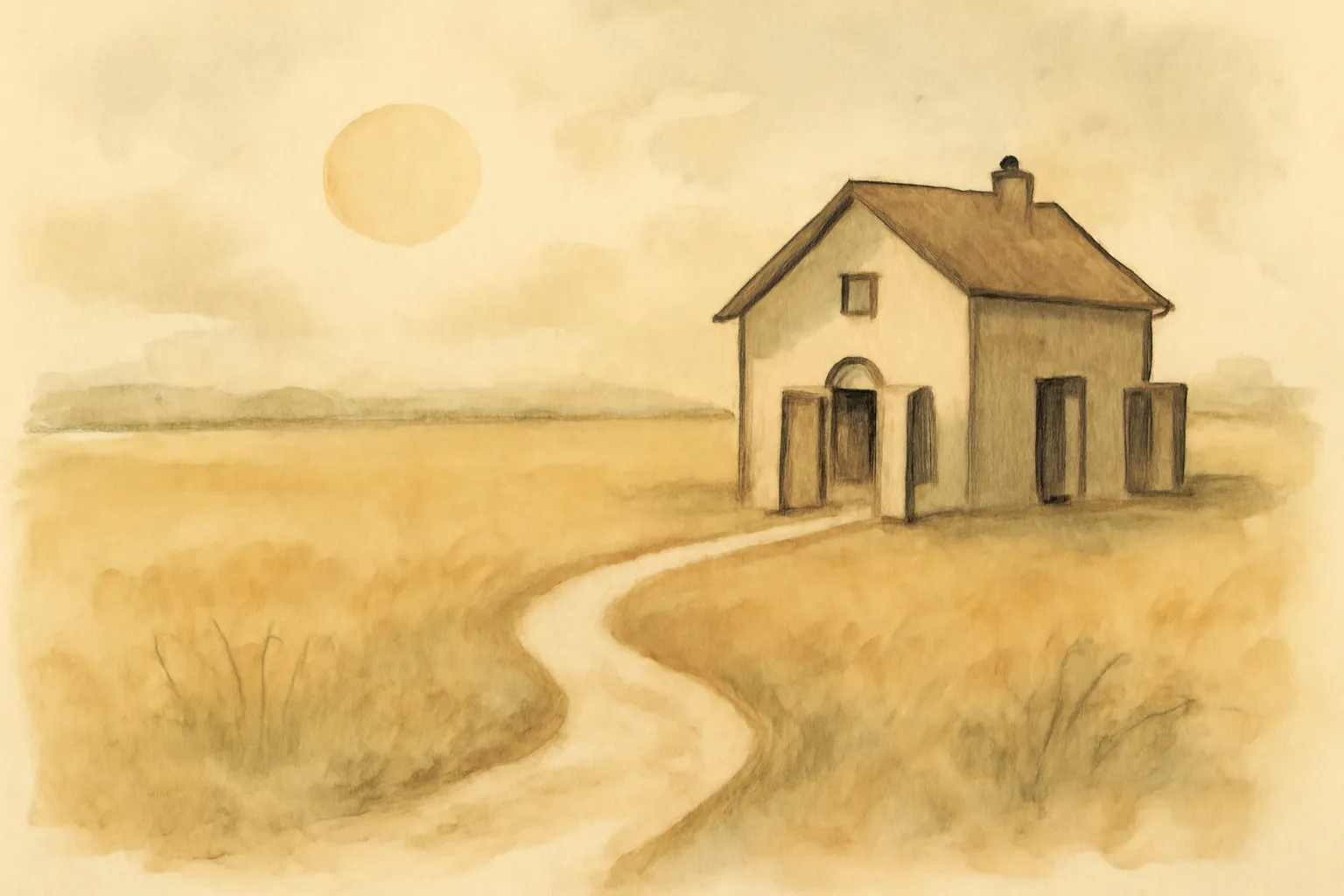
Lewis deliberately avoids theological disputes between denominations, focusing instead on the core beliefs that all mainstream Christians share. He likens Christianity to a house with many rooms, where the hallway represents the shared beliefs and the rooms symbolize denominational differences. His aim is to present Christianity’s 'mere' essentials, making the faith accessible and relevant to a broad audience.
“I am trying here to prevent anyone saying the really foolish thing that people often say about Him: I'm ready to accept Jesus as a great moral teacher, but I don't accept His claim to be God.”
“Christianity, if false, is of no importance, and if true, of infinite importance. The only thing it cannot be is moderately important.”
“The Son of God became a man to enable men to become sons of God.”
“We are not necessarily doubting that God will do the best for us; we are wondering how painful the best will turn out to be.”