The Chronicles of Narnia: Prince Caspian by C.S. Lewis — Summary, Key Ideas & Quotes
1991527 pages✦ 3-min Big ideas
Rate it
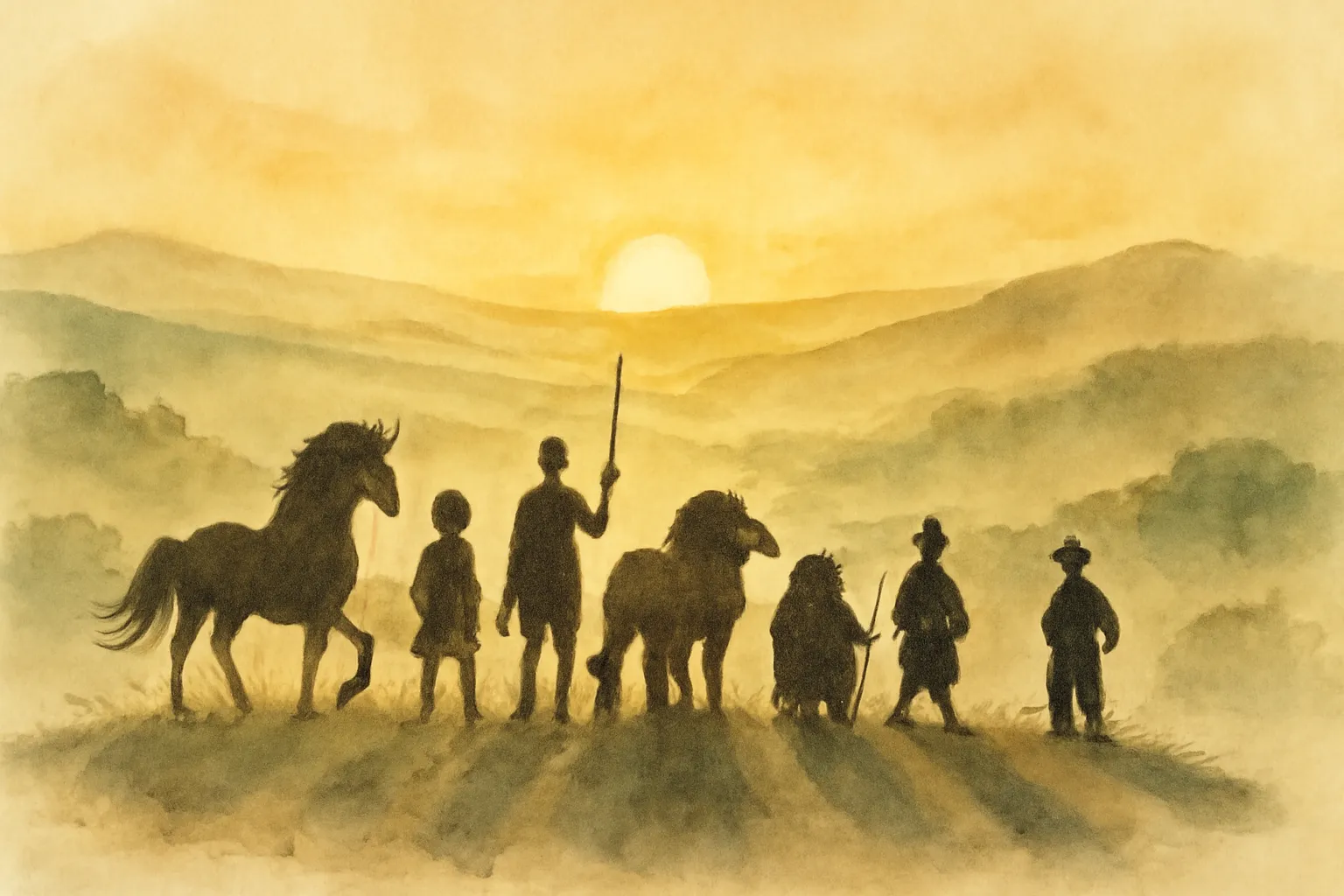
At its heart, Prince Caspian is about restoring what has been lost—both a kingdom and a sense of wonder. Narnia has fallen into decline, its magical creatures hiding or forgotten under the rule of the Telmarines. The return of the Pevensie children and the awakening of the old Narnians symbolize the power of belief to revive what seems dead or impossible. Lewis suggests that faith—whether in magic, goodness, or higher purpose—can transform reality when it is acted upon, even in the face of overwhelming odds.
The novel contrasts different models of leadership: Caspian’s humility and willingness to learn versus King Miraz’s tyranny and self-interest. Through Caspian’s journey, Lewis explores what makes a true leader—not brute strength or birthright, but a commitment to justice, service, and listening to wise counsel. The Pevensies, too, must rediscover their own authority and responsibility, highlighting that leadership is as much about character as it is about power.
“Things never happen the same way twice.”
“You come of the Lord Adam and the Lady Eve. And that is both honor enough to erect the head of the poorest beggar, and shame enough to bow the shoulders of the greatest emperor.”