1.Restoration and the Power of Belief
At its heart, Prince Caspian is about restoring what has been lost—both a kingdom and a sense of wonder. Narnia has fallen into decline, its magical creatures hiding or forgotten under the rule of the Telmarines. The return of the Pevensie children and the awakening of the old Narnians symbolize the power of belief to revive what seems dead or impossible. Lewis suggests that faith—whether in magic, goodness, or higher purpose—can transform reality when it is acted upon, even in the face of overwhelming odds.
2.Leadership and Moral Authority
The novel contrasts different models of leadership: Caspian’s humility and willingness to learn versus King Miraz’s tyranny and self-interest. Through Caspian’s journey, Lewis explores what makes a true leader—not brute strength or birthright, but a commitment to justice, service, and listening to wise counsel. The Pevensies, too, must rediscover their own authority and responsibility, highlighting that leadership is as much about character as it is about power.
3.The Challenge of Faith in Uncertainty
Much of the tension in Prince Caspian arises from the characters’ struggle to trust in Aslan and the old stories when evidence is lacking. The Pevensies’ doubts and Lucy’s unwavering vision illustrate the difficulty and importance of faith, especially when the way forward is unclear. Lewis uses this struggle to reflect on spiritual and moral uncertainty, encouraging readers to persist in seeking truth even when it is not immediately visible.
4.The Passage of Time and the Loss of Innocence
The children’s return to a changed Narnia underscores the theme of time’s passage and the bittersweet loss of innocence. What was once familiar is now strange, and the heroes must adapt to a world that has moved on. This motif resonates with readers facing change and growing up, reminding us that while the past can’t be reclaimed exactly as it was, its lessons and spirit can inspire renewal.
5.Unity Amidst Diversity
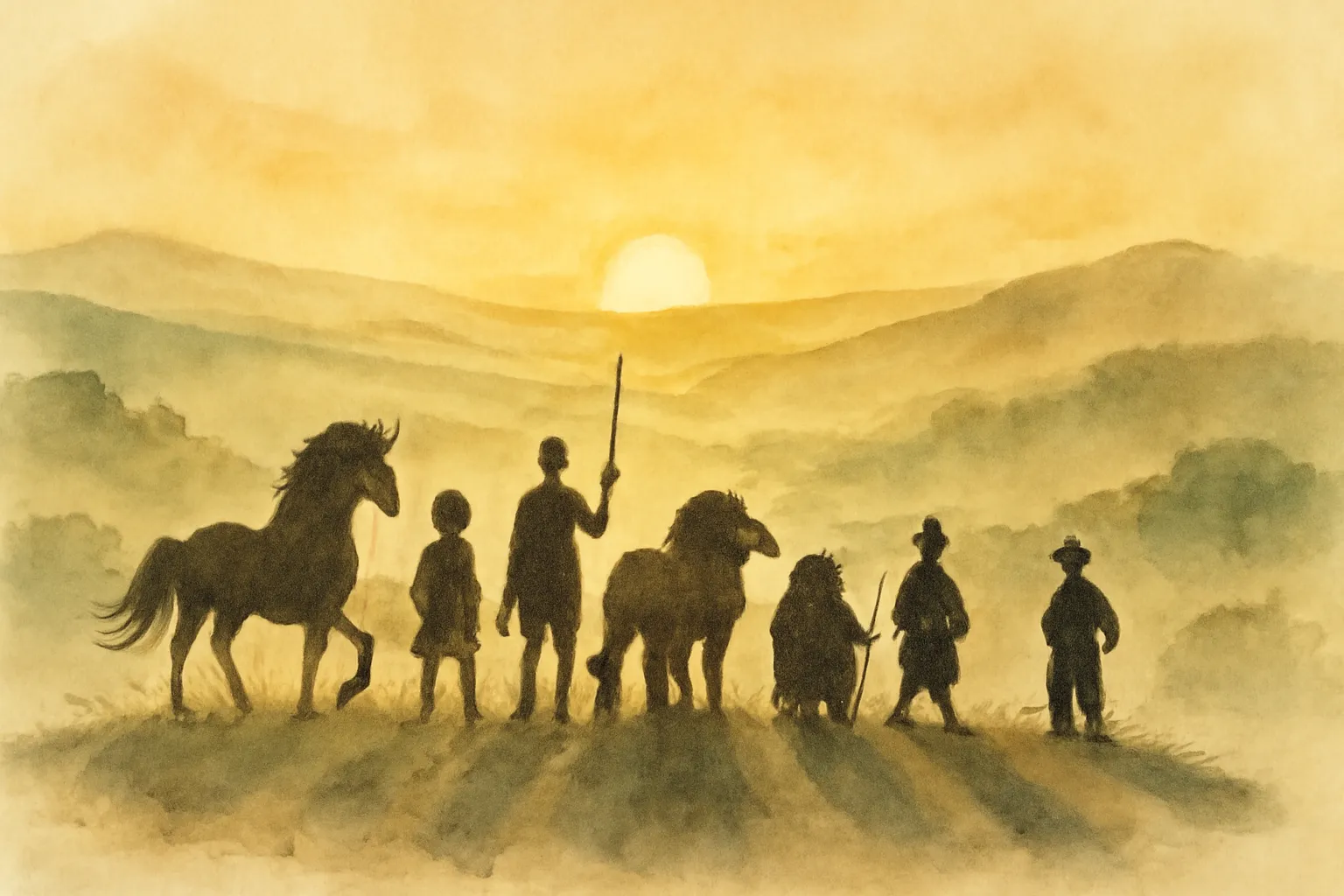
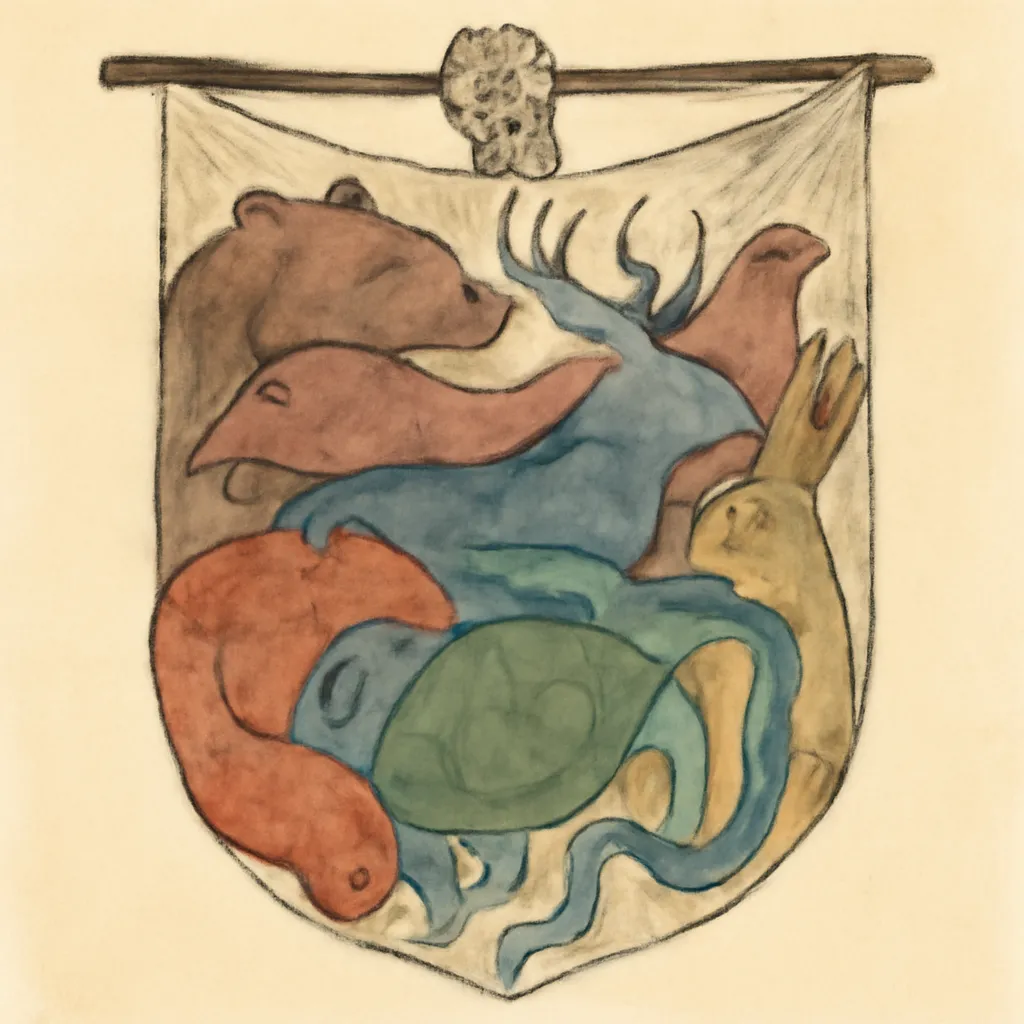
Prince Caspian brings together a host of different beings—talking animals, dwarfs, centaurs, and humans—who must overcome suspicion and division to reclaim their land. Lewis celebrates the strength found in unity and the necessity of embracing differences for a common cause. The alliance of old Narnians and the Pevensies is a metaphor for the power of community and shared purpose in overcoming injustice.
6.The Role of Story and Memory
Throughout the novel, stories and memories of Narnia’s golden age inspire hope and action. The act of remembering—both personal and collective—serves as a catalyst for change. Lewis highlights how stories shape identity and values, urging readers to cherish and learn from the past while forging their own paths forward.