

Modern Civilization · Self · Psychological aspects
Modernity and Self-Identity by Anthony Giddens — Summary, Key Ideas & Quotes
1991256 pages✦ 3-min Big ideas★ 4.0 (1)
Rate it
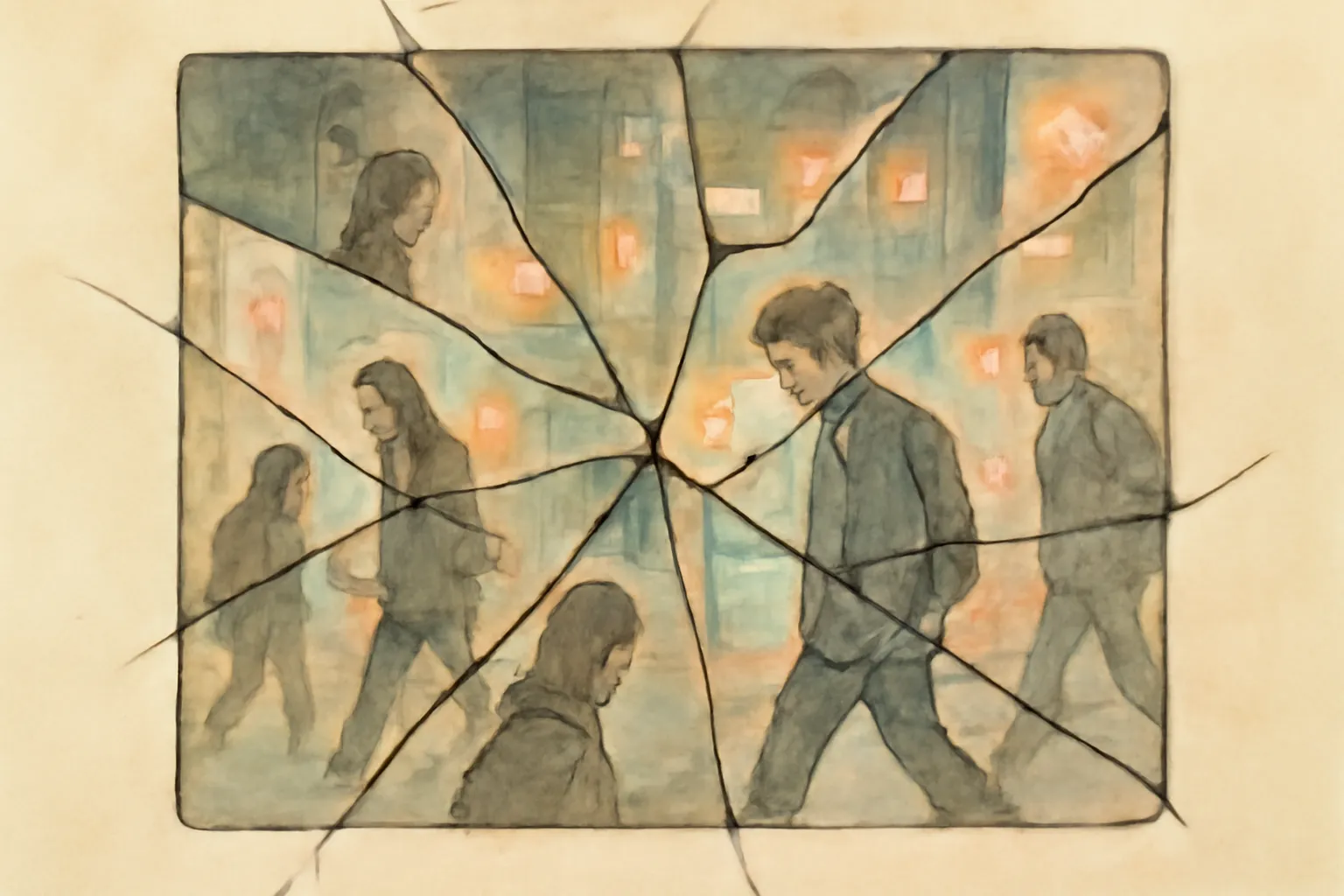
Giddens argues that in modern societies, individuals are compelled to continually reflect on, question, and reconstruct their identities. Unlike in traditional societies—where roles and identities were largely fixed—modernity demands that people actively shape their biographies. This 'reflexive project' means that identity is not given, but made, requiring ongoing self-examination and adaptation in response to changing social contexts.
A central theme is how modernity 'disembeds' social relations from local contexts through abstract systems like money, technology, and expert knowledge. This process lifts interactions out of face-to-face settings, making relationships more impersonal. Yet, individuals seek to 're-embed' themselves through new forms of intimacy and trust, often in personal relationships or lifestyle choices, as a response to this abstractness.
“The self is seen as a reflexive project, for which the individual is responsible.”
“In the settings of modernity, self-identity becomes a matter of a person’s own reflexive understanding of their biography.”