1.The Reflexive Project of the Self
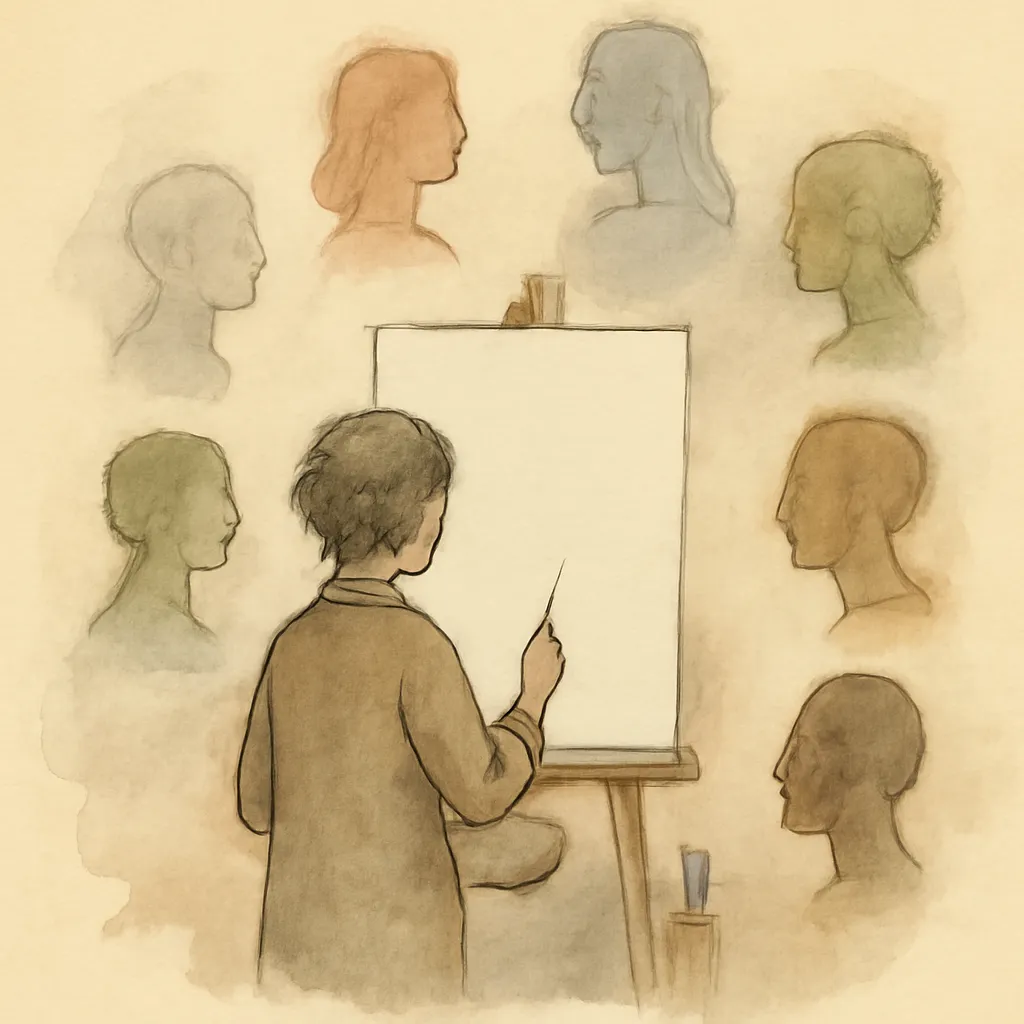
Giddens argues that in modern societies, individuals are compelled to continually reflect on, question, and reconstruct their identities. Unlike in traditional societies—where roles and identities were largely fixed—modernity demands that people actively shape their biographies. This 'reflexive project' means that identity is not given, but made, requiring ongoing self-examination and adaptation in response to changing social contexts.
2.Disembedding and Reembedding
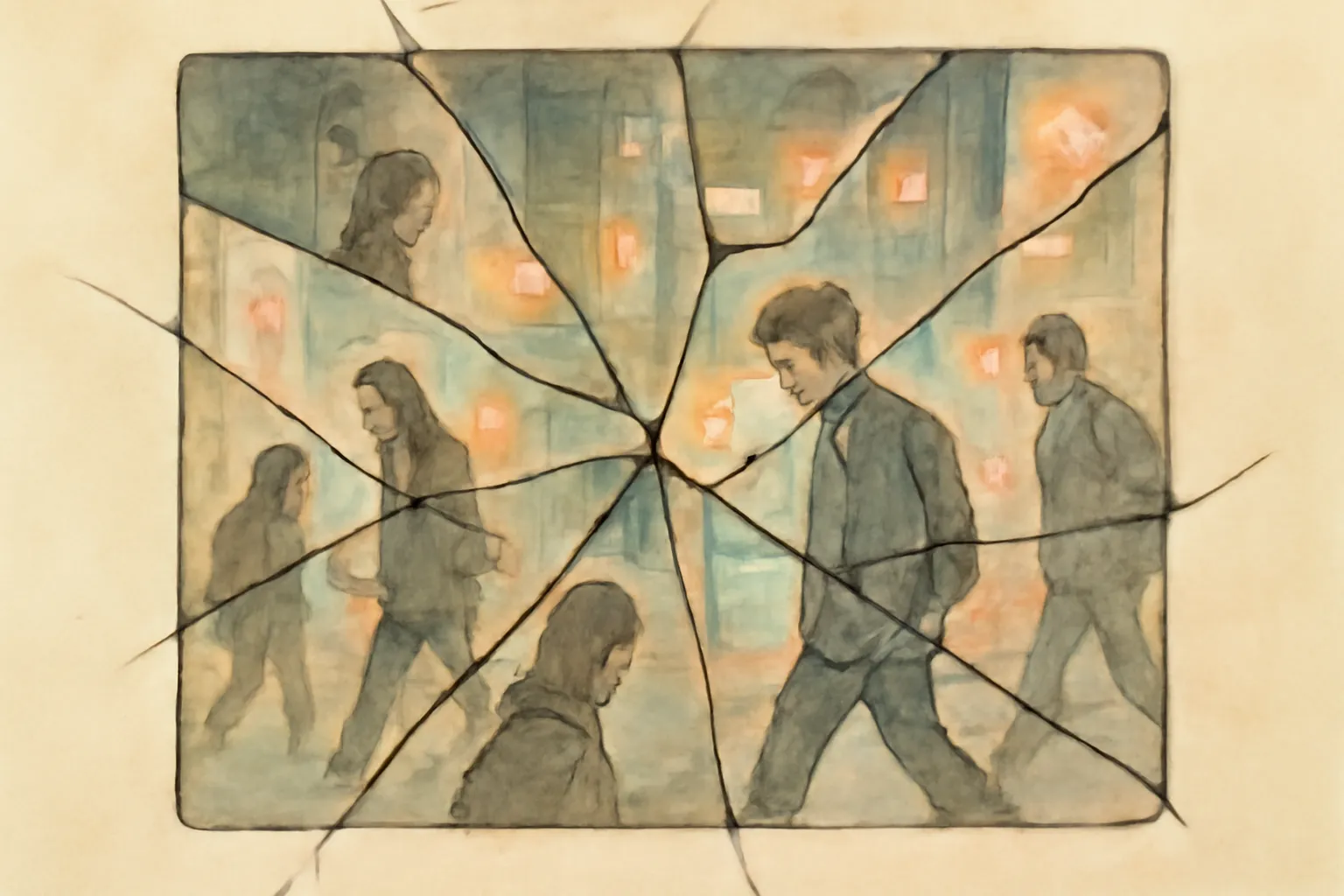
A central theme is how modernity 'disembeds' social relations from local contexts through abstract systems like money, technology, and expert knowledge. This process lifts interactions out of face-to-face settings, making relationships more impersonal. Yet, individuals seek to 're-embed' themselves through new forms of intimacy and trust, often in personal relationships or lifestyle choices, as a response to this abstractness.
3.The Role of Risk and Uncertainty
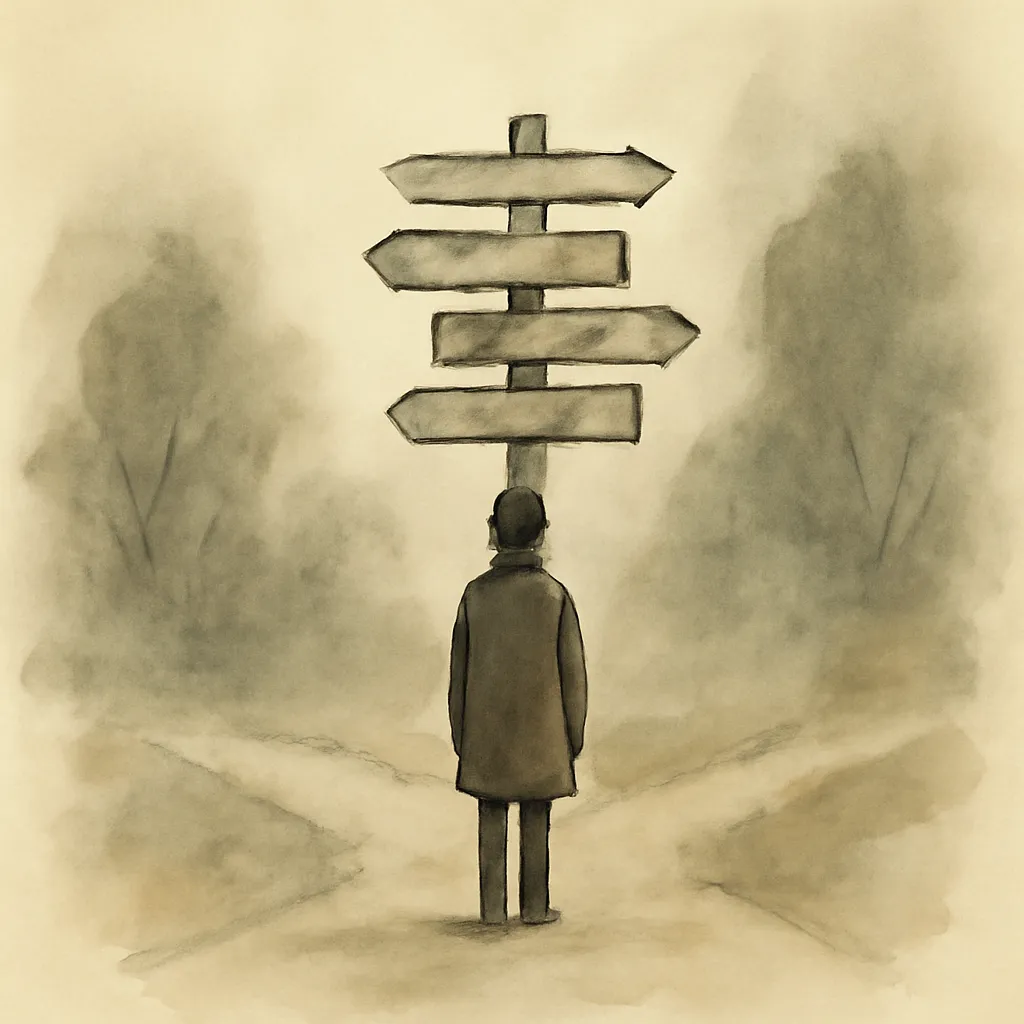
Modernity, according to Giddens, is characterized by a heightened awareness of risk and uncertainty. The future is less predictable, as traditional certainties erode and expert systems proliferate. Individuals must navigate complex choices about health, relationships, and even their own identities, often without clear guidelines. This constant negotiation with risk shapes both personal anxieties and broader social dynamics.
4.Lifestyle as Identity
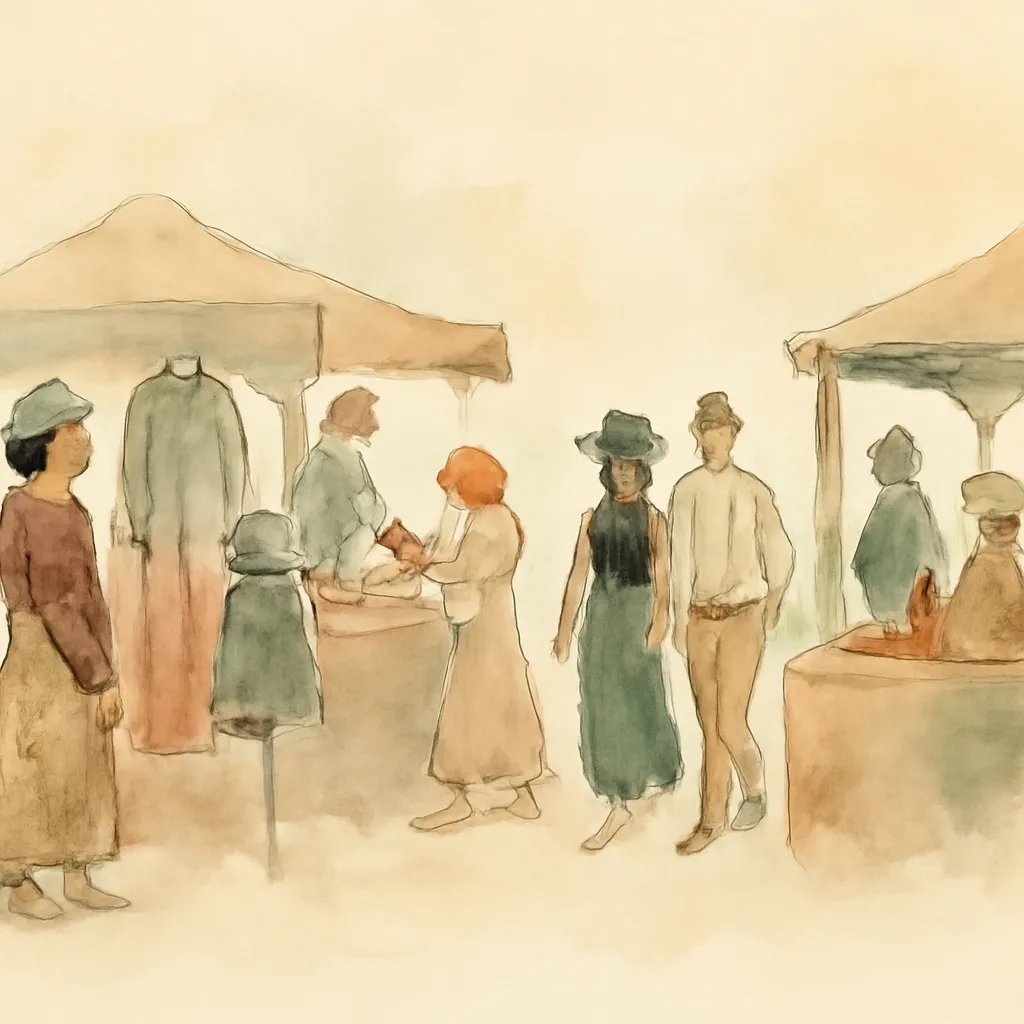
In the absence of fixed traditions, people increasingly construct their identities through lifestyle choices—what to wear, eat, believe, or whom to associate with. These choices are not superficial; they become central to how individuals define themselves and are recognized by others. Lifestyle thus becomes a key arena for the reflexive project of self-identity in late modernity.
5.Trust in Abstract Systems
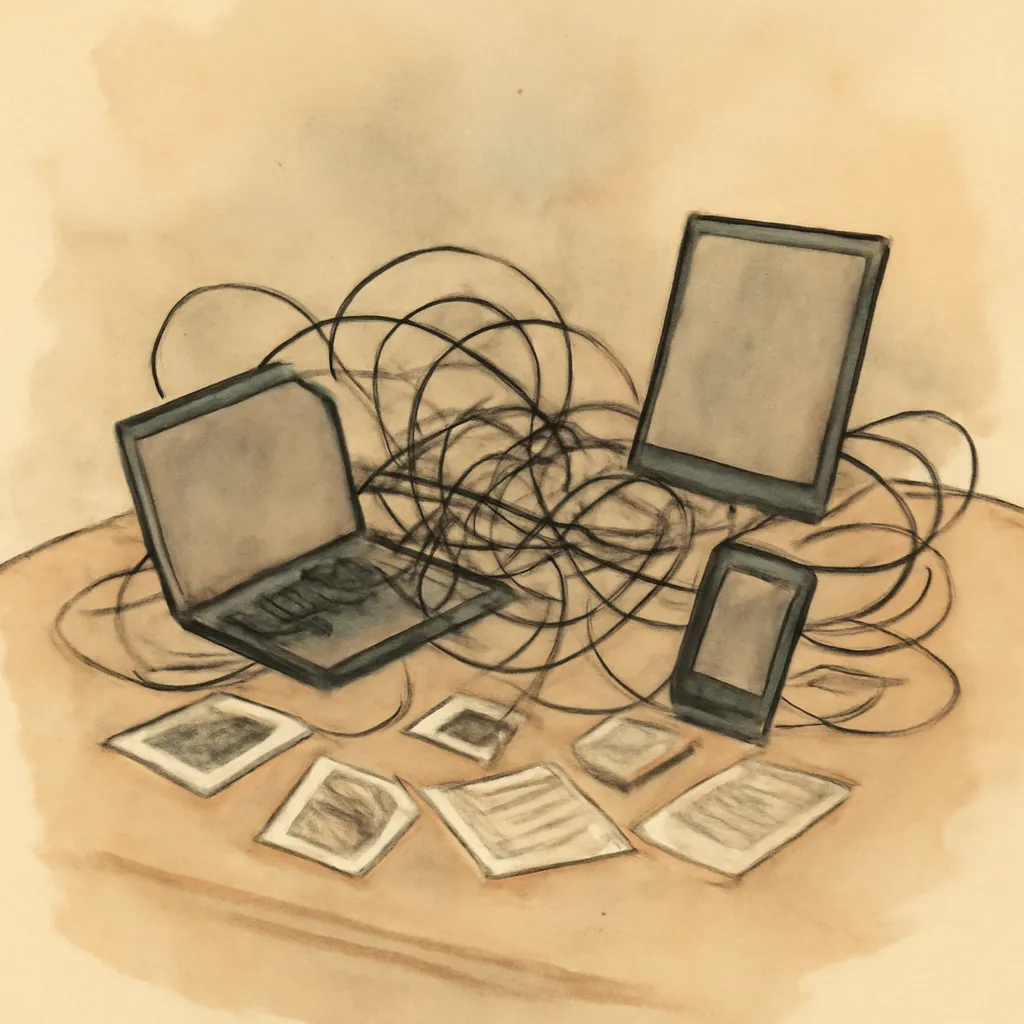
Giddens highlights the paradox that, even as we become more skeptical of traditional authorities, we rely more heavily on abstract systems—such as science, technology, and expert institutions—for a sense of order and security. Trust in these systems is essential, yet always fragile, as their complexity and opacity can generate anxiety and skepticism.
6.Intimacy and Personal Relationships
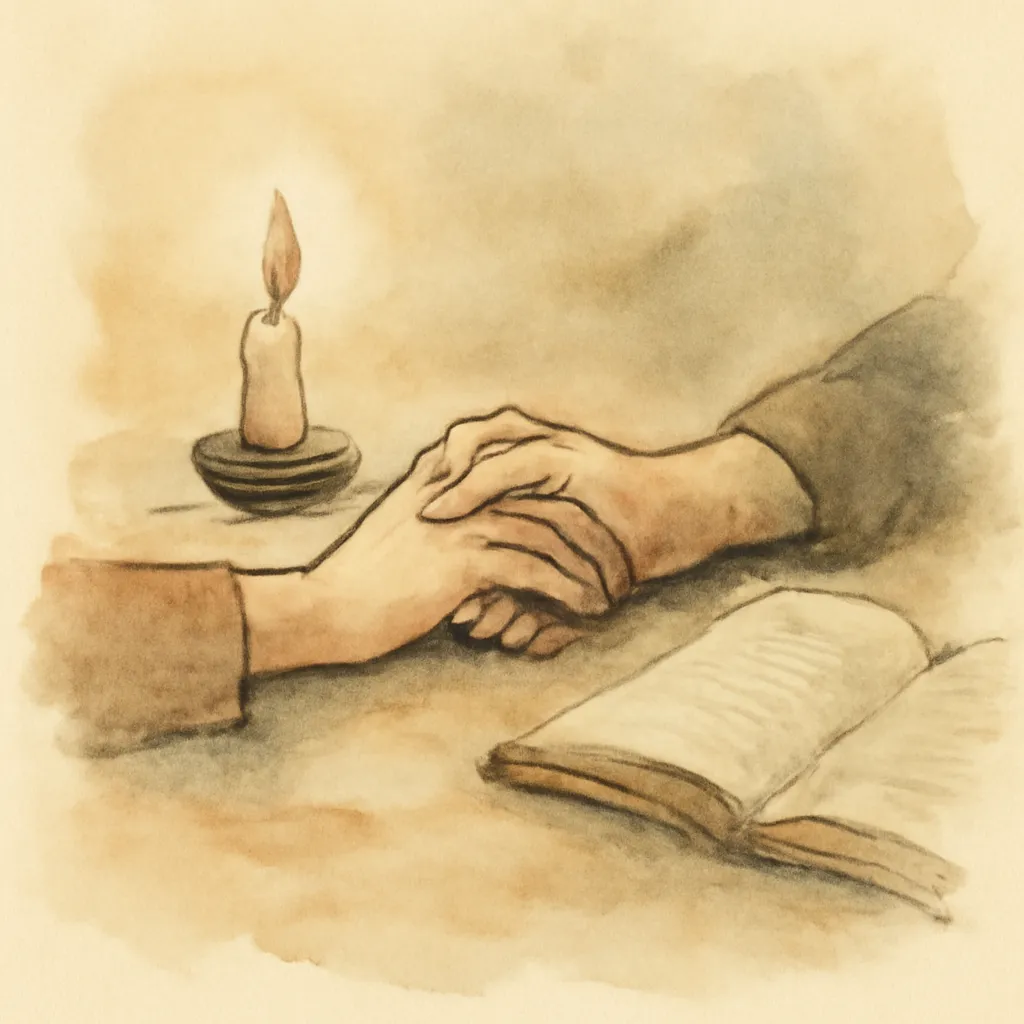
Modernity disrupts traditional family and gender roles, leading to new forms of intimacy based on emotional communication and mutual self-disclosure. Giddens calls this the 'pure relationship,' where bonds are maintained for their own sake rather than out of duty or necessity. This shift reflects both the possibilities and challenges of seeking authenticity in a rapidly changing world.