Agatha Christie · Private investigator · P.I.
Murder on the Orient Express by Agatha Christie — Summary, Key Ideas & Quotes
1933240 pages✦ 3-min Big ideas★ 4.1 (121)
Rate it
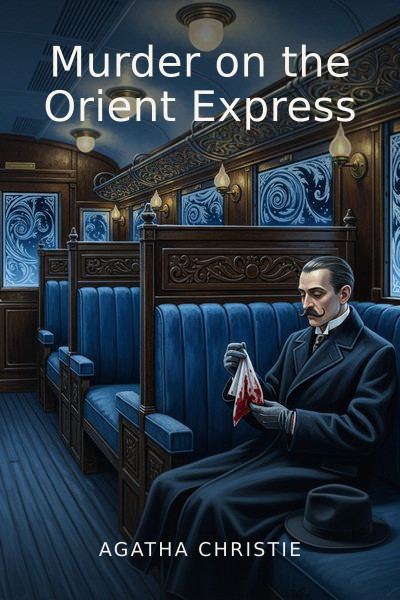
*While en route from Syria to Paris, in the middle of a freezing winter's night, the Orient Express is stopped dead in its tracks by a snowdrift.* Passengers awake to find the train still stranded and to discover that a wealthy American has been brutally stabbed to death in his private compartment. Incredibly, that compartment is locked from the inside. With no escape into the wintery landscape the killer must still be on board. *Fortunately, the brilliant Belgian inspector Hercule Poirot is also on board, having booked the last available berth.* *Murder on the Orient Express is one of Agatha Christie’s most famous novels*, owing no doubt to a combination of its romantic setting and the ingeniousness of its plot; its non-exploitative reference to the sensational kidnapping and murder of the infant son of Charles and Anne Morrow Lindbergh only two years prior; and a popular *1974 film adaptation, starring Albert Finney as Poirot - one of the few cinematic versions of a Christie work that met with the approval, however mild, of the author herself.*
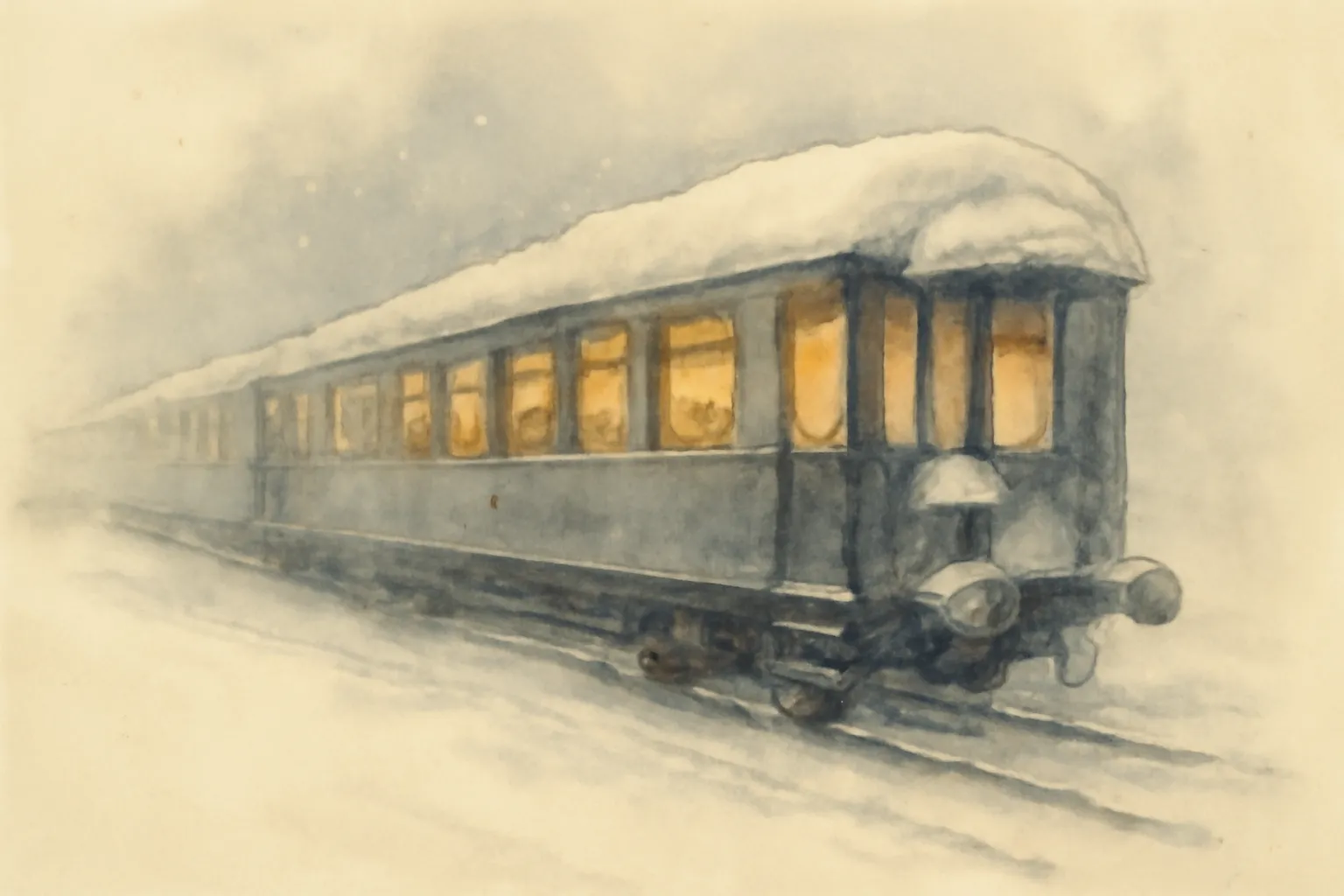
Christie takes the classic locked-room mystery and elevates it: the murder occurs in a train compartment locked from the inside, with the train itself immobilized by snow. This physical confinement intensifies the suspense and forces the investigation inward, making every character a suspect and every detail crucial. The ingenious solution upends expectations, challenging the reader to question what is truly possible in a crime story.
A central theme is the distinction between legal justice and moral justice. Poirot’s ultimate decision confronts the limits of the law and asks whether strict adherence to legal procedure always serves true justice. The novel invites readers to grapple with the gray areas of retribution, empathy, and the consequences of past trauma.
“The impossible could not have happened, therefore the impossible must be possible in spite of appearances.”
“It is the brain, the little grey cells on which one must rely.”