1.The Locked-Room Mystery Reinvented
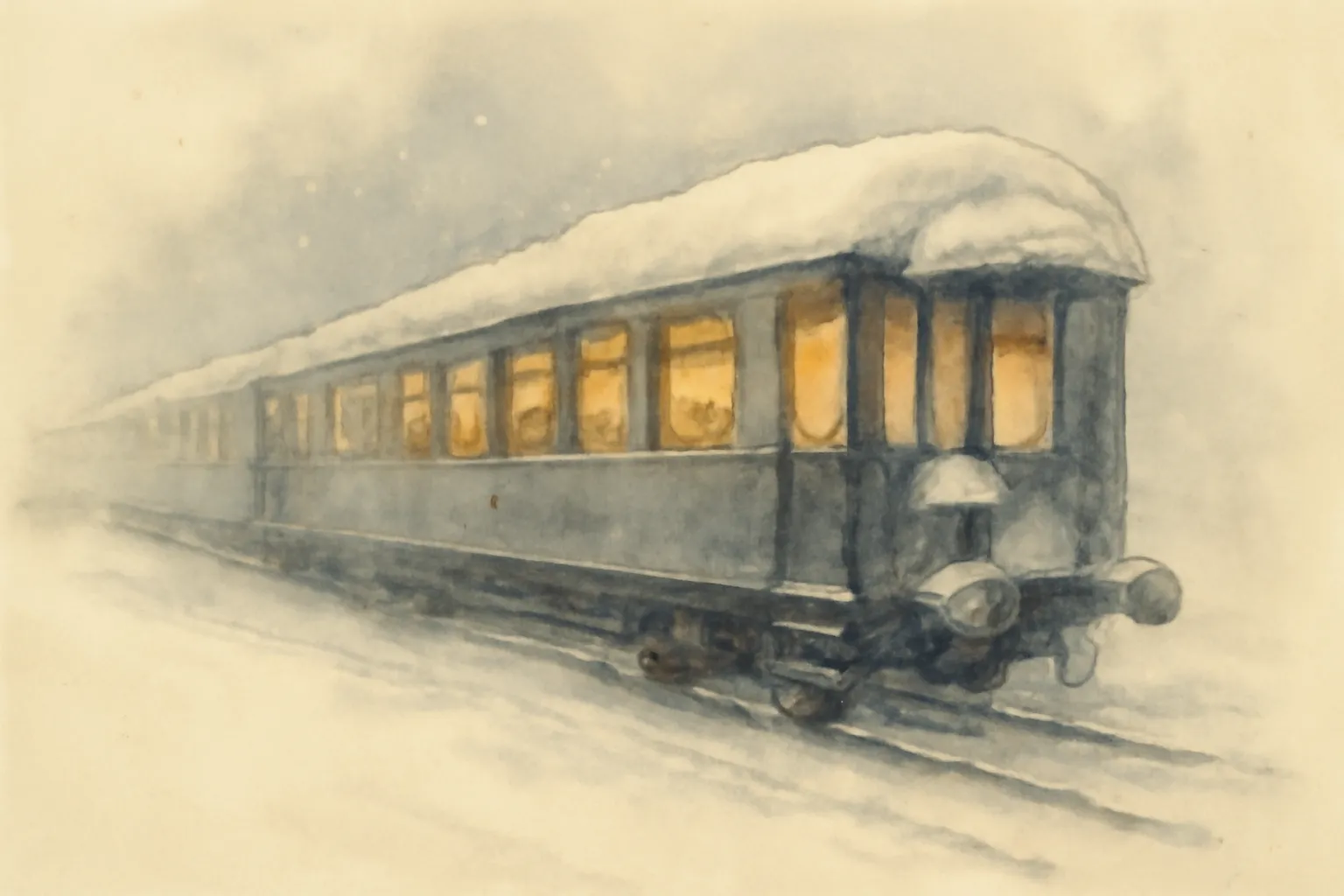
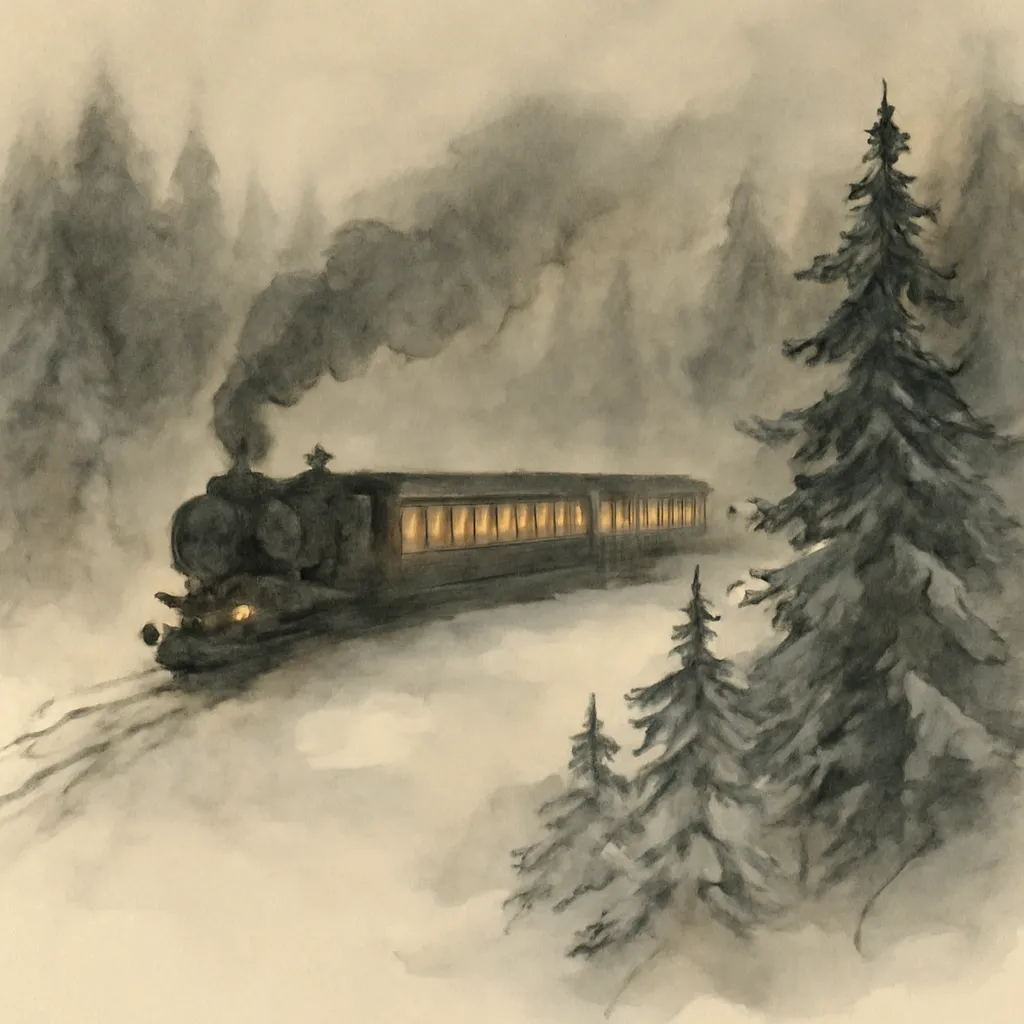
Christie takes the classic locked-room mystery and elevates it: the murder occurs in a train compartment locked from the inside, with the train itself immobilized by snow. This physical confinement intensifies the suspense and forces the investigation inward, making every character a suspect and every detail crucial. The ingenious solution upends expectations, challenging the reader to question what is truly possible in a crime story.
2.Justice Versus Legality
A central theme is the distinction between legal justice and moral justice. Poirot’s ultimate decision confronts the limits of the law and asks whether strict adherence to legal procedure always serves true justice. The novel invites readers to grapple with the gray areas of retribution, empathy, and the consequences of past trauma.
3.The Power of Collective Action
Unlike most mysteries, the solution here is not the work of a single villain but a collective act. Christie explores how shared grief and outrage can unite disparate individuals, blurring the lines between victim and perpetrator. This complicates the usual moral binaries of detective fiction, making the outcome both shocking and thought-provoking.
4.Theatrical Characterization and Social Satire
The passengers are drawn from a cross-section of nationalities and classes, each with exaggerated traits that both entertain and critique social stereotypes. Christie uses these vivid personalities to misdirect, amuse, and ultimately reveal deeper truths about prejudice, loyalty, and the facades people maintain.
5.Poirot’s Method: Psychology Over Clues
Hercule Poirot’s approach is less about forensic evidence and more about understanding human nature. He observes, listens, and deduces based on inconsistencies in stories and the psychology of guilt and motive. This focus on character over physical clues marks a shift in detective fiction toward the exploration of motive and inner life.
6.Setting as Character
The Orient Express itself is more than a backdrop—it’s a microcosm of society and a crucible for tension. The train’s luxurious yet claustrophobic environment heightens the drama, forcing secrets to surface and making escape impossible. The isolation created by the snowstorm amplifies the sense of urgency and danger.