
A masterful whodunit that reveals the dark secrets of a seemingly serene village
Read full overviewShow less›
In 'The Murder of Roger Ackroyd,' Agatha Christie spins a captivating tale that centers around the sudden death of a prosperous village squire, Roger Ackroyd. The story is narrated by Dr. James Sheppard, a local physician, who finds himself entangled in a web of deceit, secrets, and murder. As the narrative unfolds, readers are drawn into the investigative prowess of the famous detective Hercule Poirot, who peels back the layers of the village's facade to reveal the truth lurking beneath. This novel not only showcases Christie's unrivaled ability to craft intricate plots but also delves into themes of trust, betrayal, and the complexity of human relationships. Prepare to be enthralled as you navigate through the twists and turns of a mystery that challenges your perceptions of guilt and innocence.
Agatha Christie's 'The Murder of Roger Ackroyd' is a masterclass in mystery writing, seamlessly blending intricate plot twists with profound explorations of human nature. Through its rich characters, layered relationships, and the clever use of narrative devices, the novel challenges readers to confront their assumptions about guilt, innocence, and the complexities of truth. As Poirot navigates the tangled web of deceit, readers are reminded of the fragility of trust and the consequences of hidden secrets. The book's enduring appeal stems from its ability to engage and provoke thought, making it a timeless addition to the canon of detective fiction. Ultimately, Christie's work serves as a reminder that the truth, while elusive, is always worth pursuing.
Ratings at a glance
- 1The Impact of Gossip in a Small Community
- 2The Complexity of Human Relationships
- 3The Role of the Detective as a Moral Arbiter
- 4The Unreliability of Narration
- 5The Significance of Setting and Atmosphere
Notable quotes
“Is that you, James?” she called.”
“I suspect that the servants and the tradesmen constitute her Intelligence Corps.”
“The police, sir? Did you say the police?” Parker stared at me as though I were a ghost.”
A glimpse inside

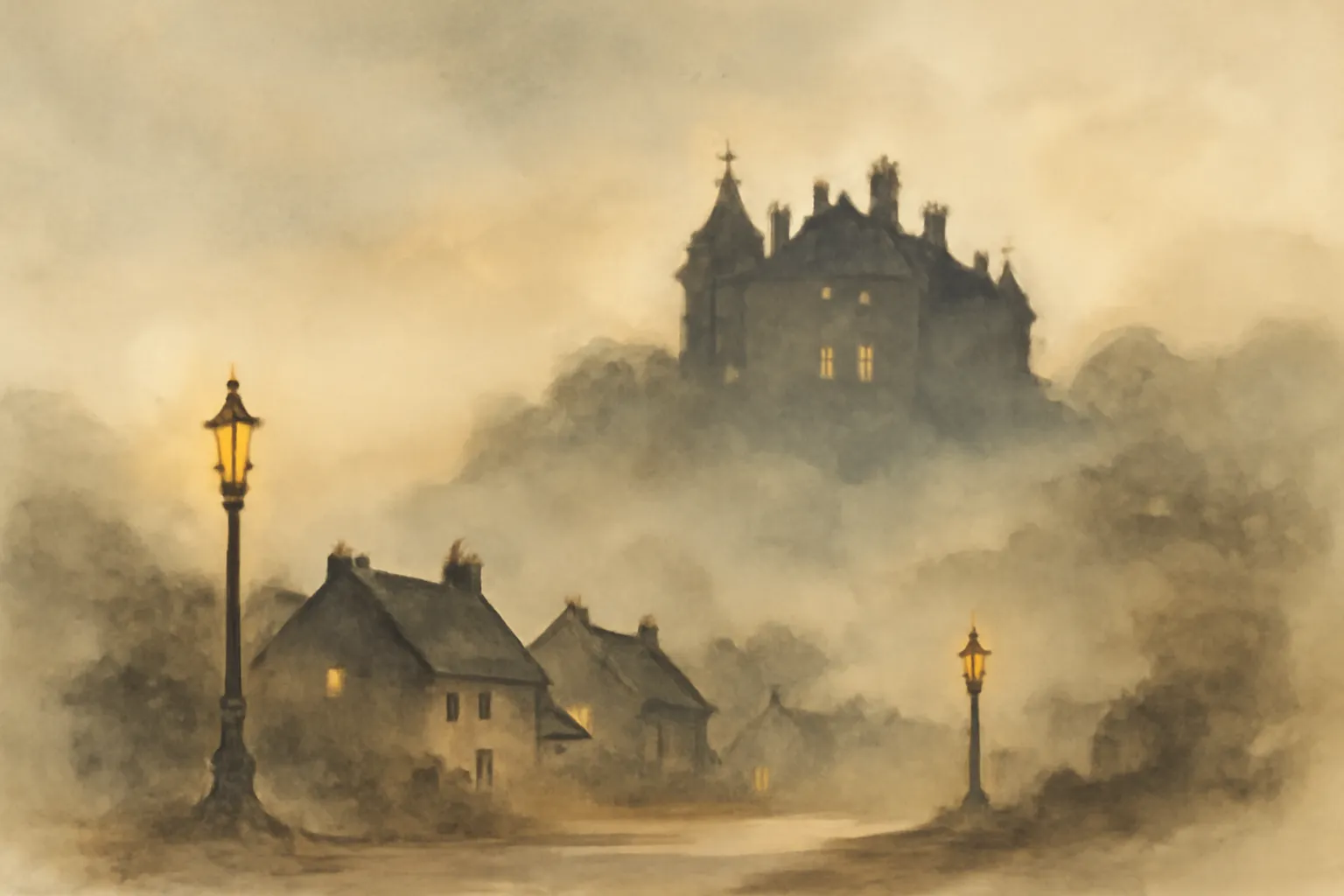
King's Abbot, the village setting of the novel, serves as a microcosm of society where gossip reigns supreme. Dr. Sheppard's sister, Caroline, epitomizes the nature of sm… Read moreKing's Abbot, the village setting of the novel, serves as a microcosm of society where gossip reigns supreme. Dr. Sheppard's sister, Caroline, epitomizes the nature of small-town chatter, always seeking to unearth secrets and share them with others. The village's dynamics are heavily influenced by the spread of information, often distorted by personal biases and assumptions. When Mrs. Ferrars dies, the news travels rapidly, illustrating how quickly a community can react to tragedy. Gossip shapes perceptions of characters like Roger Ackroyd and Ralph Paton, creating a backdrop against which the murder mystery unfolds. By highlighting the role of gossip, Christie underscores the potential dangers of misinformation and the ease with which reputations can be tarnished in a close-knit community. The village's reliance on gossip serves as both a bonding mechanism and a source of conflict, revealing the dual nature of human interactions. The interconnected lives of the villagers mean that even the slightest rumor can escalate into a significant issue that affects many. Show less
At the heart of 'The Murder of Roger Ackroyd' lies a tapestry of intricate relationships that reveal the multifaceted nature of human interactions. Read moreAt the heart of 'The Murder of Roger Ackroyd' lies a tapestry of intricate relationships that reveal the multifaceted nature of human interactions. Roger Ackroyd's character, a benevolent figure in the community, is viewed through different lenses by those around him. His past, marked by a tumultuous marriage, shapes his relationships with his step-son Ralph and his housekeeper Miss Russell. These connections are fraught with tension, jealousy, and unspoken grievances. The novel explores how love, resentment, and familial duty intertwine, leading to a complex web of motives for murder. By delving into the characters' backstories and motivations, Christie paints a rich portrait of human nature, revealing that appearances can be deceiving and that everyone harbors secrets. This complexity culminates in moments of revelation that force characters to confront their true feelings. The dynamics between parents and children, especially in the case of Ackroyd and Ralph, raise questions about loyalty and betrayal, ultimately portraying the difficulty of navigating familial ties in the face of personal ambition. Show less
Read the full text — free
About the author
Agatha Christie has 10 works free to read on Lumina, including The Big Four, The Hunter's Lodge Case, The Mysterious Affair at Styles