
Agatha Christie weaves an intricate web of mystery and deception as Hercule Poirot faces off against the enigmatic and deadly Big Four
Read full overviewShow less›
In 'The Big Four', Agatha Christie presents a thrilling narrative that pits the brilliant detective Hercule Poirot against a shadowy criminal organization. This novel explores themes of intelligence, power, and the psychological games played between adversaries. Readers will not only experience a captivating story filled with twists and turns, but they will also delve into the complexities of criminal minds and the nuances of detective work. As Poirot navigates through danger and deceit, the stakes rise, revealing the lengths to which individuals will go for power and control. This summary will uncover the key ideas and enduring takeaways from this classic mystery, shedding light on the intricacies of the plot and the character of Poirot himself.
Agatha Christie's 'The Big Four' is a masterful exploration of mystery, psychology, and the battle between good and evil. Through the lens of Hercule Poirot, readers are invited to engage with complex themes that resonate beyond the pages of the novel. The intricate plot, the dynamics of power, and the nature of crime challenge readers to think critically about the world around them. Poirot's relentless pursuit of justice, despite the overwhelming odds, serves as an inspiring testament to the human spirit's resilience. Ultimately, this narrative not only entertains but also provokes thought about morality, identity, and the intricacies of human behavior.
Ratings at a glance
- 1The Power of Observation
- 2The Enigmatic Big Four
- 3Psychological Warfare
- 4The Role of Deception
- 5Friendship and Loyalty
Notable quotes
“There are signs of asphyxiation. No gas laid on, is there?”
“If you wish you may wait in to put salt on the little bird's tail, but for me I do not waste my time so.”
“You have been annoying.”
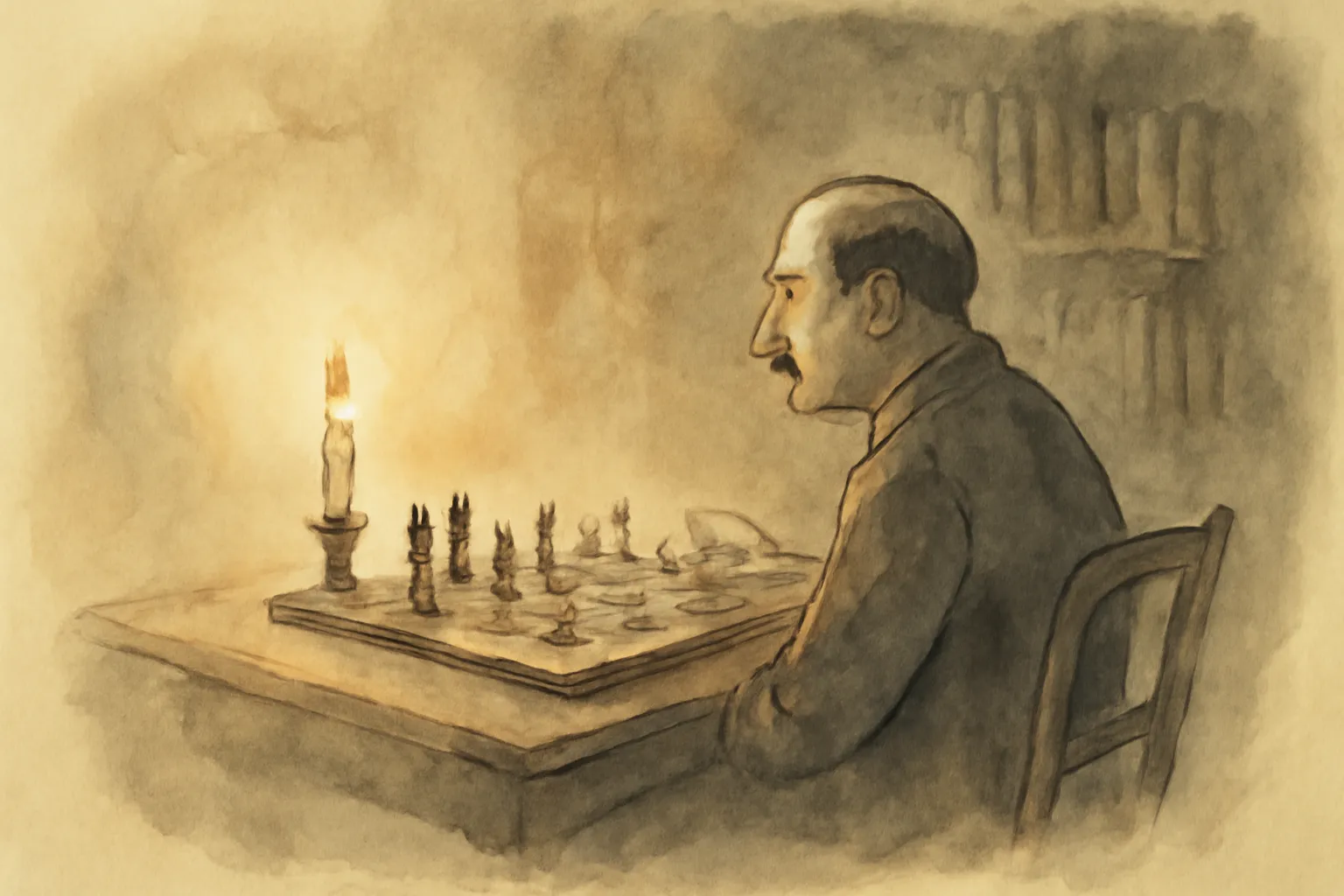
A glimpse inside

Hercule Poirot exemplifies the art of observation throughout 'The Big Four'. His ability to notice minute details allows him to piece together clues that others overlook.… Read moreHercule Poirot exemplifies the art of observation throughout 'The Big Four'. His ability to notice minute details allows him to piece together clues that others overlook. For instance, in his examination of crime scenes, Poirot can deduce the movements of suspects from the smallest remnants they leave behind. His meticulous attention to detail is particularly evident when he investigates the Granite Bungalow crime scene, noting the confused footprint patterns and the significant bloodstains that indicate the struggle that took place. This skill is not merely about solving cases; it reflects a deeper understanding of human nature and the complexities of crime. Poirot’s observant nature reminds readers that the smallest details can have significant implications, urging them to cultivate their own powers of perception. This theme resonates throughout the narrative as Poirot frequently encounters characters who underestimate the importance of observation, leading to their own downfalls. Show less
The titular Big Four represent a formidable criminal organization composed of four unique individuals, each with their own strengths and motivations. Read moreThe titular Big Four represent a formidable criminal organization composed of four unique individuals, each with their own strengths and motivations. This diverse group includes a Chinese mastermind, an American millionaire, a French woman scientist, and a fourth, unnamed individual. Their backgrounds and skills highlight the global nature of crime and the various motivations driving individuals to engage in villainy. The Chinese character, Li Chang Yen, embodies the aspect of strategic cunning and intelligence, while the American represents raw ambition and financial power. The French woman, Madame Olivier, signifies the ruthless pursuit of scientific advancement, regardless of moral implications. Each member contributes to the group's overall power, making them a challenging adversary for Poirot. Their collective intelligence and ruthlessness heighten the stakes of the narrative and add layers of complexity to the story. The Big Four's existence raises questions about the nature of evil and the extent to which individuals will go to achieve their goals, reflecting the dark side of ambition and power and emphasizing the multifaceted nature of criminal organizations. Show less
Read the full text — free
About the author
Agatha Christie has 10 works free to read on Lumina, including The Hunter's Lodge Case, The murder of Roger Ackroyd, The Mysterious Affair at Styles