1.The Power of Observation

Hercule Poirot exemplifies the art of observation throughout 'The Big Four'. His ability to notice minute details allows him to piece together clues that others overlook. For instance, in his examination of crime scenes, Poirot can deduce the movements of suspects from the smallest remnants they leave behind. His meticulous attention to detail is particularly evident when he investigates the Granite Bungalow crime scene, noting the confused footprint patterns and the significant bloodstains that indicate the struggle that took place. This skill is not merely about solving cases; it reflects a deeper understanding of human nature and the complexities of crime. Poirot’s observant nature reminds readers that the smallest details can have significant implications, urging them to cultivate their own powers of perception. This theme resonates throughout the narrative as Poirot frequently encounters characters who underestimate the importance of observation, leading to their own downfalls.
2.The Enigmatic Big Four

The titular Big Four represent a formidable criminal organization composed of four unique individuals, each with their own strengths and motivations. This diverse group includes a Chinese mastermind, an American millionaire, a French woman scientist, and a fourth, unnamed individual. Their backgrounds and skills highlight the global nature of crime and the various motivations driving individuals to engage in villainy. The Chinese character, Li Chang Yen, embodies the aspect of strategic cunning and intelligence, while the American represents raw ambition and financial power. The French woman, Madame Olivier, signifies the ruthless pursuit of scientific advancement, regardless of moral implications. Each member contributes to the group's overall power, making them a challenging adversary for Poirot. Their collective intelligence and ruthlessness heighten the stakes of the narrative and add layers of complexity to the story. The Big Four's existence raises questions about the nature of evil and the extent to which individuals will go to achieve their goals, reflecting the dark side of ambition and power and emphasizing the multifaceted nature of criminal organizations.
3.Psychological Warfare

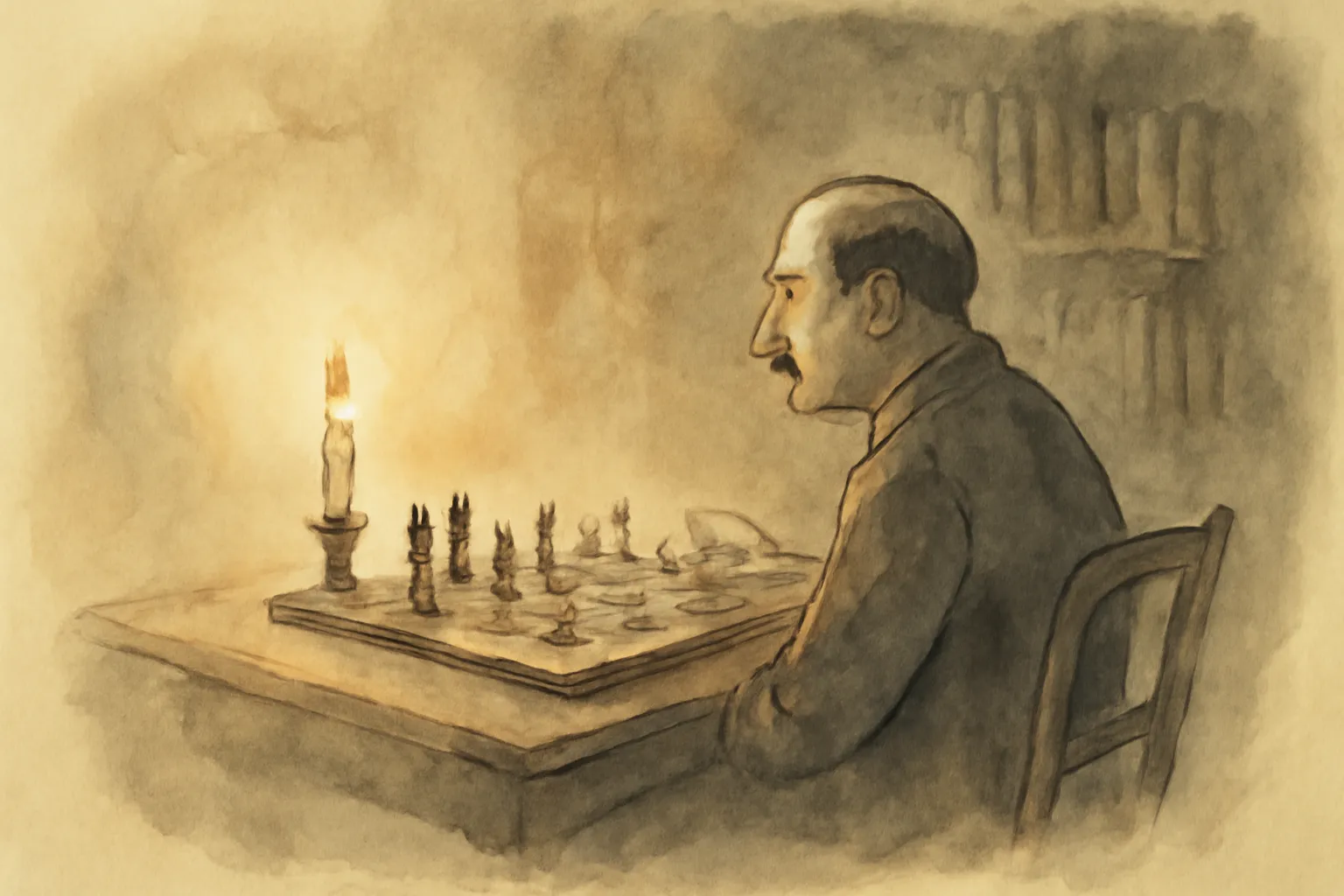
Much of the conflict in 'The Big Four' revolves around psychological warfare, with Poirot and the criminals engaging in a battle of wits. The tension escalates as the Big Four attempt to manipulate situations to their advantage, often targeting Poirot personally. For instance, they plot to eliminate him by orchestrating distractions and false leads, showcasing their strategic thinking. Poirot, on the other hand, counters their moves with his own strategic insights and psychological understanding of human behavior. This interplay of minds illustrates the complexities of criminal psychology and highlights the importance of mental acuity in detective work. The psychological aspects are not merely about misdirection; they delve into understanding motivations, fears, and desires, allowing Poirot to anticipate the Big Four’s next moves. The narrative suggests that true power lies not just in physical strength or resources but also in the ability to manipulate and outthink one’s opponent, adding a layer of sophistication to the chase.
4.The Role of Deception
Deception plays a central role in the narrative, with characters frequently disguising their true intentions. The fake asylum attendant is a prime example, serving as a ruse to distract Poirot and Hastings. The layers of deceit create an atmosphere of distrust and ambiguity, which complicates the investigation as Poirot navigates through a plethora of misleading leads. This theme of deception extends to the Big Four's operations, as they use aliases and false identities to conceal their activities. Poirot's encounters with these deceptions reveal his resilience and adaptability in the face of trickery. The novel emphasizes that in a world rife with deceit, truth can often be obscured, making the detective's quest for clarity all the more challenging and compelling. Deception also reflects the characters' motivations and moral ambiguities, pushing Poirot to confront not just the criminals but also the ethical dilemmas surrounding truth and justice.
5.Friendship and Loyalty

The bond between Poirot and Hastings is a recurring theme that underscores the importance of friendship and loyalty. Hastings, as Poirot's confidant and assistant, provides a counterbalance to Poirot's analytical mind with his emotional perspective. Their camaraderie is tested as they navigate the dangerous waters of the Big Four's schemes. Hastings' unwavering support for Poirot, even when the odds seem insurmountable, highlights the theme of loyalty in the face of adversity. This relationship not only adds depth to the narrative but also shows how partnerships can be vital in tackling formidable challenges. Their interactions also reveal different approaches to problem-solving, with Poirot's methodical reasoning complementing Hastings' more instinctive reactions. Ultimately, their friendship exemplifies the power of collaboration and trust in overcoming obstacles, serving as a poignant reminder of the human connections that can drive individuals toward success.
6.The Nature of Evil
Christie's portrayal of the Big Four invites readers to contemplate the nature of evil and its manifestations in society. Each member of the organization embodies different facets of villainy, from greed and ambition to ruthlessness and cunning. Their actions raise moral questions about the lengths to which individuals will go for power and control. Poirot's pursuit of justice against this backdrop of evil illustrates the ongoing struggle between good and evil in human nature. The exploration of these moral complexities encourages readers to reflect on the ethical dilemmas faced in their own lives. The narrative does not present a black-and-white view of morality; instead, it suggests that the lines between good and evil can be blurred, prompting readers to consider their own values and principles in the face of temptation and greed.
7.Interconnectedness of Cases
In 'The Big Four', various seemingly isolated cases intertwine, illustrating the interconnectedness of crime. The narrative weaves together multiple plotlines, each contributing to the larger tapestry of the Big Four's operations. For example, the murder of Jonathan Whalley and the abduction of Halliday are linked through the overarching influence of the organization. This interconnectedness emphasizes the idea that criminal activities often have far-reaching consequences, affecting not just the immediate victims but also the broader society. Poirot's ability to see these connections is crucial to unraveling the mystery, showcasing his exceptional deductive reasoning. The novel suggests that understanding the links between different events can unveil deeper truths about human behavior and the systems of power that govern society, encouraging readers to think critically about how actions can ripple through lives and communities.
8.The Complexity of Identity
Identity plays a significant role in the novel, particularly concerning the disguises and false identities employed by the Big Four. Characters often operate under aliases or masks, blurring the lines between their true selves and the facades they present to the world. This complexity of identity reflects broader societal themes, such as the roles individuals play in their personal and professional lives. Poirot, despite his meticulous nature, also grapples with his identity as a detective and the expectations placed upon him. The exploration of identity in the narrative challenges readers to consider their own roles and how they navigate the expectations of society versus their true selves. The concept of identity also ties back to themes of deception and manipulation, revealing how easily one can be misled by appearances, and it serves as a reminder that understanding oneself and others is crucial in a world where masks are often worn.
9.Crisis and Resolution
The climax of 'The Big Four' culminates in a high-stakes confrontation between Poirot and the criminal organization. As tensions reach their peak, the stakes become personal, with Poirot's life in jeopardy. This crisis moment serves as a turning point in the narrative, forcing both Poirot and the Big Four to reveal their true natures. The resolution that follows is not just a triumph of good over evil; it also highlights the consequences of ambition and the cost of pursuing power. Poirot's victory is hard-won, illustrating that justice often comes at a price. The resolution reinforces the idea that while crime may be thwarted, the impact of these events lingers on individuals and society. The narrative concludes with a sense of closure, yet also leaves open questions about the nature of justice and the ongoing battle against evil, prompting readers to reflect on the complexities of morality in their own lives.
10.Legacy of Hercule Poirot
Hercule Poirot's character serves as a lasting legacy in the realm of detective fiction. His unique blend of intellect, charm, and idiosyncrasies has made him one of literature's most beloved detectives. In 'The Big Four', Poirot's methods and personality shine as he navigates the complexities of his adversaries. His legacy extends beyond this novel, influencing countless detective stories and characters that followed. Poirot embodies the archetype of the brilliant detective, reminding readers of the enduring appeal of mystery and the quest for truth. His unwavering commitment to justice, coupled with his human flaws, makes him a relatable and compelling character. In facing the Big Four, Poirot’s legacy is not just one of solving crimes but also of understanding the human condition, making his impact on literature and culture profound and lasting.