
A thrilling journey of deduction and deception unfolds aboard the Plymouth Express, as Hercule Poirot unravels a web of murder and theft
Read full overviewShow less›
In 'The Plymouth Express Affair,' Agatha Christie masterfully weaves a tale of mystery that captivates readers from the very first page. The story revolves around a young naval officer, Lieutenant Alec Simpson, who becomes embroiled in a chilling murder mystery during a train journey. As the plot thickens, the legendary detective Hercule Poirot steps in, employing his famed little gray cells to piece together the clues. Readers will be drawn into a world of intrigue, where every character could be a suspect, and every detail could be a vital clue. With its rich narrative and compelling twists, this story not only entertains but also challenges readers to engage in the same deductive reasoning that Poirot exemplifies.
Agatha Christie's 'The Plymouth Express Affair' is more than just a murder mystery; it is a profound exploration of human nature, trust, and the complexities of morality. Through the lens of a seemingly simple train journey, readers are invited to engage with the intricacies of deduction and the psychology of crime. Poirot's masterful unraveling of the case not only entertains but also challenges readers to reflect on the themes of observation and betrayal that permeate human relationships. As the story concludes, the lingering questions about justice and morality leave a lasting impression, reminding us that every mystery is an opportunity to understand the human condition more deeply.
- 1The Setting: A Train Journey Gone Awry
- 2The Intriguing Introduction of Lieutenant Simpson
- 3Poirot's Arrival: The Master Detective at Work
- 4The Role of Chloroform: A Clue to the Murder
- 5The Investigation: A Web of Interconnected Lives
Notable quotes
“Mon ami,” said Poirot. “You have, I know, been deeply interested in this mystery of the Plymouth Express. Read this.”
“How on earth did you know? Don’t tell me it was those almighty ‘little gray cells’ of yours!”
“I think,” he said gently, “that I can find Narky’s pal for you, all right.”
A glimpse inside

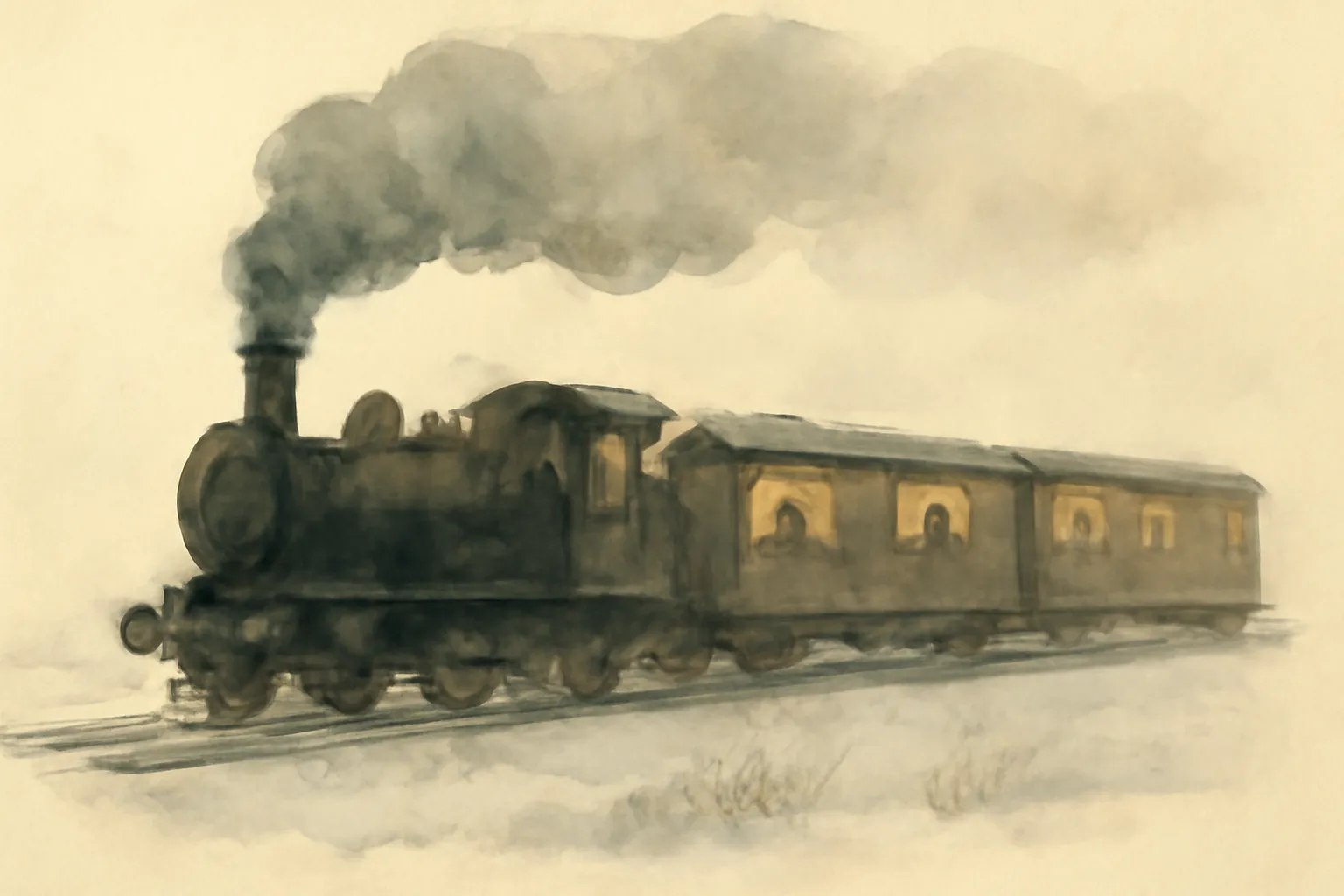
The Plymouth Express serves as a microcosm of society, with its passengers representing various walks of life. The train journey sets the stage for the unfolding drama, e… Read moreThe Plymouth Express serves as a microcosm of society, with its passengers representing various walks of life. The train journey sets the stage for the unfolding drama, emphasizing the isolation and confinement that comes with being on a moving vehicle. The December chill adds a layer of discomfort, mirroring the tension that builds throughout the story. As Lieutenant Simpson settles into his compartment, the atmosphere is thick with foreboding, a stark contrast to the ordinary journey he expects. The train, often seen as a means of escape, becomes a trap as the events spiral into chaos. This setting not only enhances the suspense but also allows for a closed environment where trust is scarce and danger lurks just beneath the surface, creating a fertile ground for a thrilling mystery. Show less
Lieutenant Alec Simpson is introduced as a seemingly ordinary naval officer, yet his character becomes pivotal in the mystery. Read moreLieutenant Alec Simpson is introduced as a seemingly ordinary naval officer, yet his character becomes pivotal in the mystery. His initial actions, such as his peculiar insistence on keeping his suitcase on the seat, hint at deeper complexities. The suitcase, which later becomes a focal point of the investigation, symbolizes the hidden secrets that everyone carries. Simpson's background, including the trauma from a previous hospital operation on his leg, suggests a character grappling with his past as he attempts to navigate the present danger. His memories of pain and recovery add layers of depth to his persona, illustrating how personal history can influence actions in moments of crisis. This duality of normalcy and hidden depth makes him a compelling character, inviting readers to question what lies beneath the surface of each individual aboard the train. His struggles become a reflection of the unpredictability of life and the facade of composure that people often maintain. Show less
Read the full text — free
About the author
Agatha Christie has 10 works free to read on Lumina, including The Big Four, The Hunter's Lodge Case, The murder of Roger Ackroyd